You signed in with another tab or window. Reload to refresh your session.You signed out in another tab or window. Reload to refresh your session.You switched accounts on another tab or window. Reload to refresh your session.Dismiss alert
Let's learn about Authorization via these 68 free blog posts. They are ordered by HackerNoon reader engagement data. Visit the /Learn or LearnRepo.com to find the most read blog posts about any technology.
Authorization is the process of determining whether a user, program, or process is permitted to access a resource or perform an action. It is a critical security mechanism, ensuring that only authorized entities can interact with sensitive data and systems.
Authentication and authorization are two important concepts in security. This post will teach you how to secure your REST API endpoints with Spring Security.
Whether you're a dev exploring advanced authorization or an architect shifting to zero-trust, here is a Python implementation of fine-grained access control.
I have been working on a GraphQL workshop, and it’s been a great learning experience. One of the trickiest things I have had to deal with in GraphQL is handling complex user permissions. It used to be a hassle until a friend pulled my attention to Hasura.
There are a few dependencies and considerations one should account for when getting a system with REST services authenticated with an OAuth2 Client for Java
Protect your VueJs app with SuperTokens by easily adding authentication with pre-built and session management to your project right out of the box easily.
A walk through of capability-access control, part of the Flow blockchain, which facilitates selective access to resources, decentralizing large attack vectors.
Go is becoming very popular for backend web development, and JWT's are one of the most popular ways to handle authentication on API requests. In this article, we are going to go over the basics of JWT's and how to implement a secure authentication strategy in Go!
Learn reasons why you should choose SuperTokens as your auth provider and why it pairs so well with Supabase in protecting you and your online infrastructure
JWTs or JSON Web Tokens are most commonly used to identify an authenticated user. They are issued by an authentication server and are consumed by the client-ser
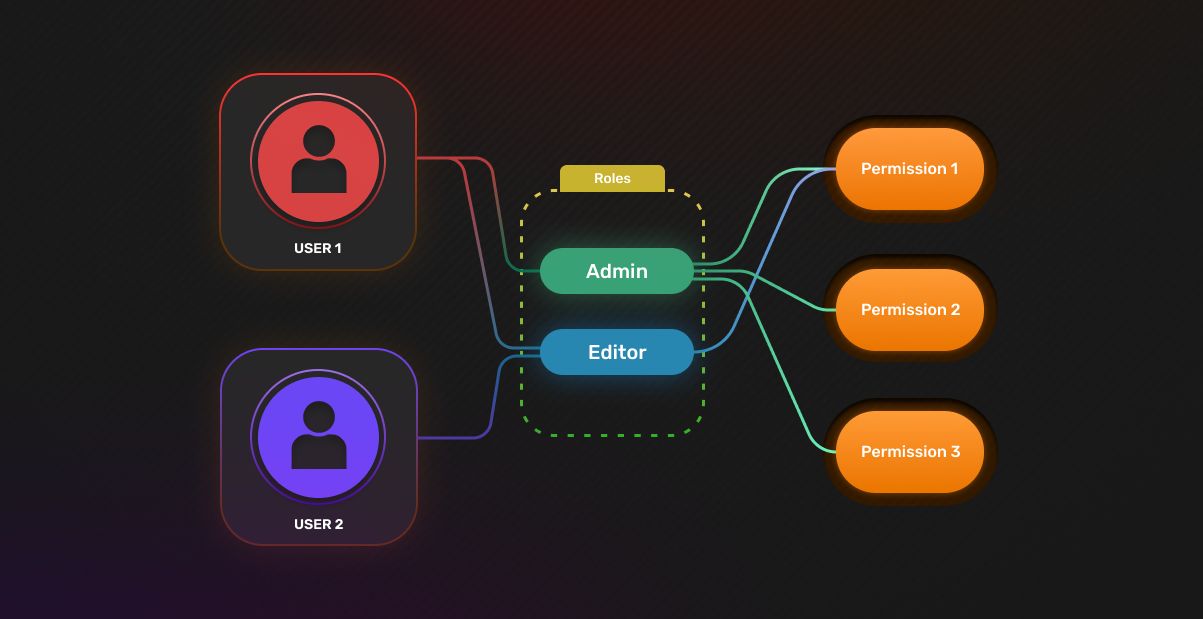
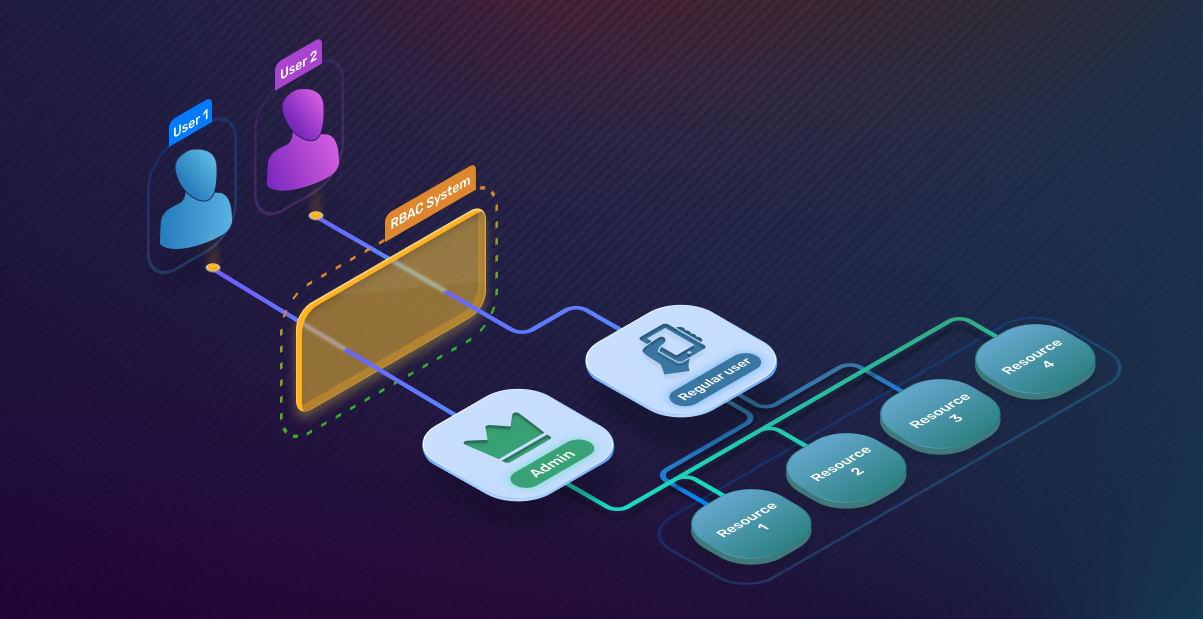
Authorization is all about answering the question “Is this user allowed to do a certain operation?”. In this post we go over how you can implement RBAC
There are many different methods to verify a user’s identification. Although the management of authentication and active sessions has come a long way, simple password authentication has not been able to provide sufficient security to support the rapid growth in data, advancements in mobile and cloud technologies, and increasing volumes of security breaches.
User authentication and authorization can be difficult and time consuming. Getting it wrong can also have disastrous consequences, such as malicious users accessing and stealing personal or sensitive information from your app.
There seems to be a lot of misinformation on when OAuth 2.0 (henceforth referred to as OAuth) is appropriate for use. A lot of developers confuse OAuth with web session management and hence end up using the wrong protocol / set of technologies. This, in turn, leads to security issues. This article will clarify when to use regular session management solutions and when to use any one of the OAuth flows.
JWT is the abbreviation of JSON Web Tokens. JSON Web Token (JWT) is an open standard (RFC 7519) that defines a compact and self-contained way for securely transmitting information between parties as a JSON object.
Building a new SaaS can be fun, time-consuming, and rewarding. The challenge is to deliver a quality product as quickly as possible so you can test the idea and either invest more time or move onto the next one.
PKCE is short for Proof Key for Code Exchange. It is a mechanism that came into being to make the use of OAuth 2.0 Authorization Code grant more secure in certain cases.
In online protection systems, authentication and authorization play an important role. They confirm the user's identity and grant your website or application access. In order to decide which combination of web tools best fits your security needs, it is important that you notice their differences.
Learn how to implement secure, scalable Role-Based Access Control (RBAC) in a Next.js app with Permit.io, managing user permissions and enhancing app security.
With the increasing cybersecurity risks and breaches in the past couple of years, businesses are now moving with a clear vision to incorporate zero-trust architecture into their platforms.
First of all, we want the users to be authenticated - confirming that the users are who they say they are. Then, authorize them - to enable selective access.
Authentication and authorization for modern web and mobile applications are a key part of most development cycles. This story outlines some considerations.
In light of countless security breaches across the industry, multi-factor authentication is becoming increasingly popular. Let's look at the available options!
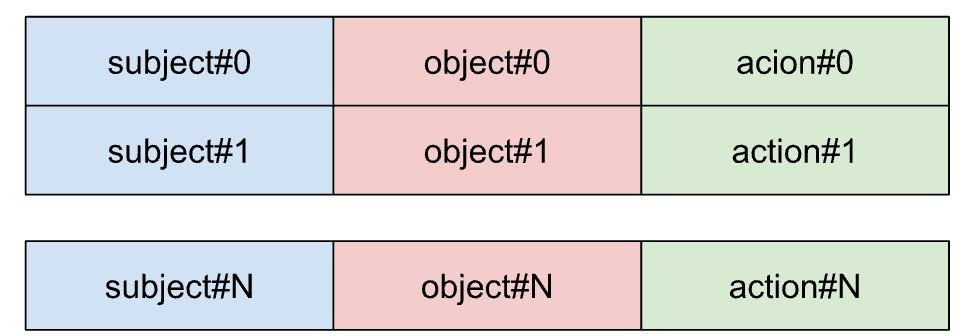
Here, we have four roles: Sme, Sponsor, Admin, Operations.Initially, we had only 3 roles.Operations role was added later and Operations user has permissions similar to the Admin user.In the code, we had to replace every instance of if (user.type == USER_TYPES.ADMIN) with if (user.type == USER_TYPES.ADMIN || user.type == USER_TYPES.OPERATIONS).As this is time consuming and we can also miss many instances, we have created a roles module. In the roles module,the roles are defined along with their respective permissions as seen in Code (Part-III). Based on the permissions for each role, we will evaluate the authorization for the user in each of our controller methods.If the user has access, only then he will be granted the resources.