You signed in with another tab or window. Reload to refresh your session.You signed out in another tab or window. Reload to refresh your session.You switched accounts on another tab or window. Reload to refresh your session.Dismiss alert
Let's learn about Blockchain Security via these 133 free blog posts. They are ordered by HackerNoon reader engagement data. Visit the /Learn or LearnRepo.com to find the most read blog posts about any technology.
Blockchain security refers to the measures and protocols implemented to protect blockchain networks and their data from attacks and tampering. It matters for maintaining the integrity, immutability, and trustworthiness fundamental to blockchain technology.
DeFi security provider, Hackless, is introducing a new tool that helps fight sandwich attacks on BNB Chain and Ethereum. Try safe swaps with AntiSandwich
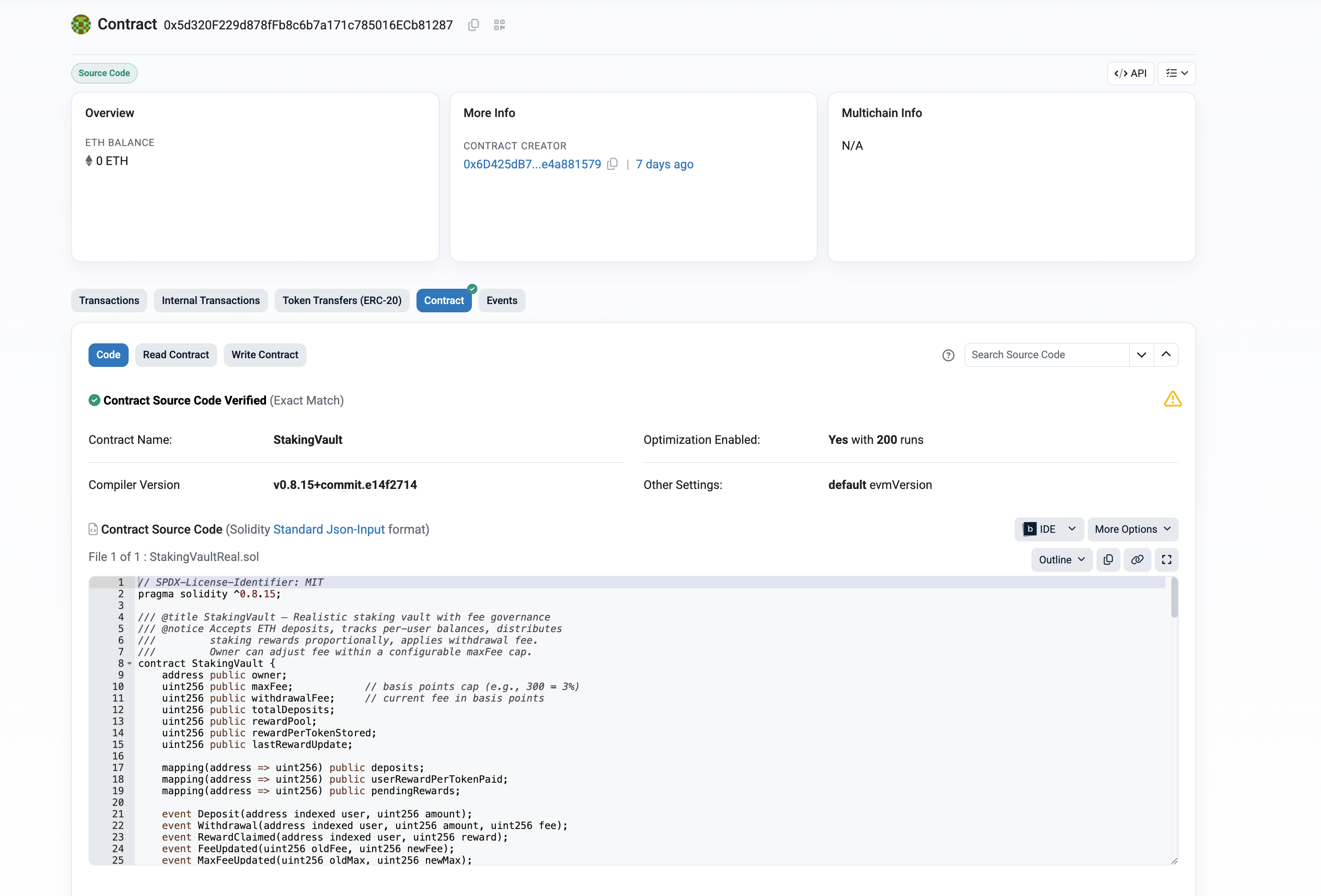
Uncover smart contract vulnerabilities like self-destruct attacks & how to fortify against them. Dive into security measures for safer blockchain code!
Qredo is thrilled to announce its technology preview of QSign – a cross-chain primitive that will allow Web3 developers to generate, sign, and broadcast data...
Find out how HYDN won the recent EthernautDAO CTF Challenge by hacking the smart contracts after finding the blockchain's vulnerabilities and exploiting them.
There are several security issues affecting blockchain. To have a wider adoption, the community must address these issues by implementing appropriate controls
Cryptocurrencies are prone to many different types of attack. As Bitcoin is over 11 years on the track, we know and were facing many different attempts on breaking its security. One of them is network partition attack.
But what about the Proof-of-Stake algorithms? Have they solved some of the vulnerabilities of Bitcoin and its Proof-of-Work algorithm?
Fast Fourier Transforms are a key part of algorithms thanks to their ability to multiply large numbers quickly. They have been used in blockchain in a few ways.
RS is a shared security system that allows a larger chain, known as the provider chain, to provide security to a smaller chain, known as the consumer chain.
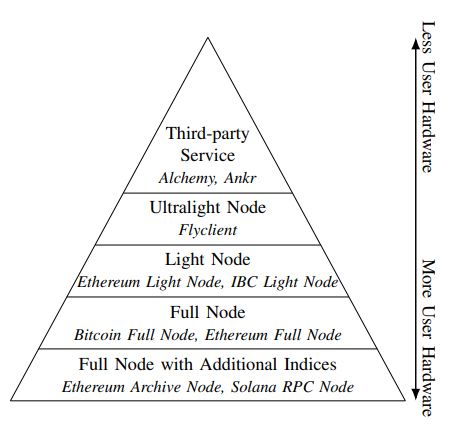
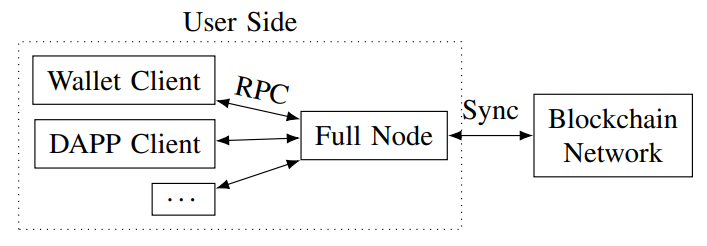
“Discover what blockchain nodes are, how they ensure security and consensus in a decentralized network, and why they’re crucial – explained simply for all.”
Learn how Base, by Coinbase,scales Ethereum with faster transactions, lower fees, and maintains security and decentralization. Ideal for DeFi, NFTs, and gaming.
PKI is the industry standard for managing keys. But key management is long due for an overhaul. Here’s why PKI might be outdated in today’s day and age.
Due to the decentralized nature of the web3, cybersecurity becomes a major concern when protecting your non-custodial wallet on decentralized exchanges.
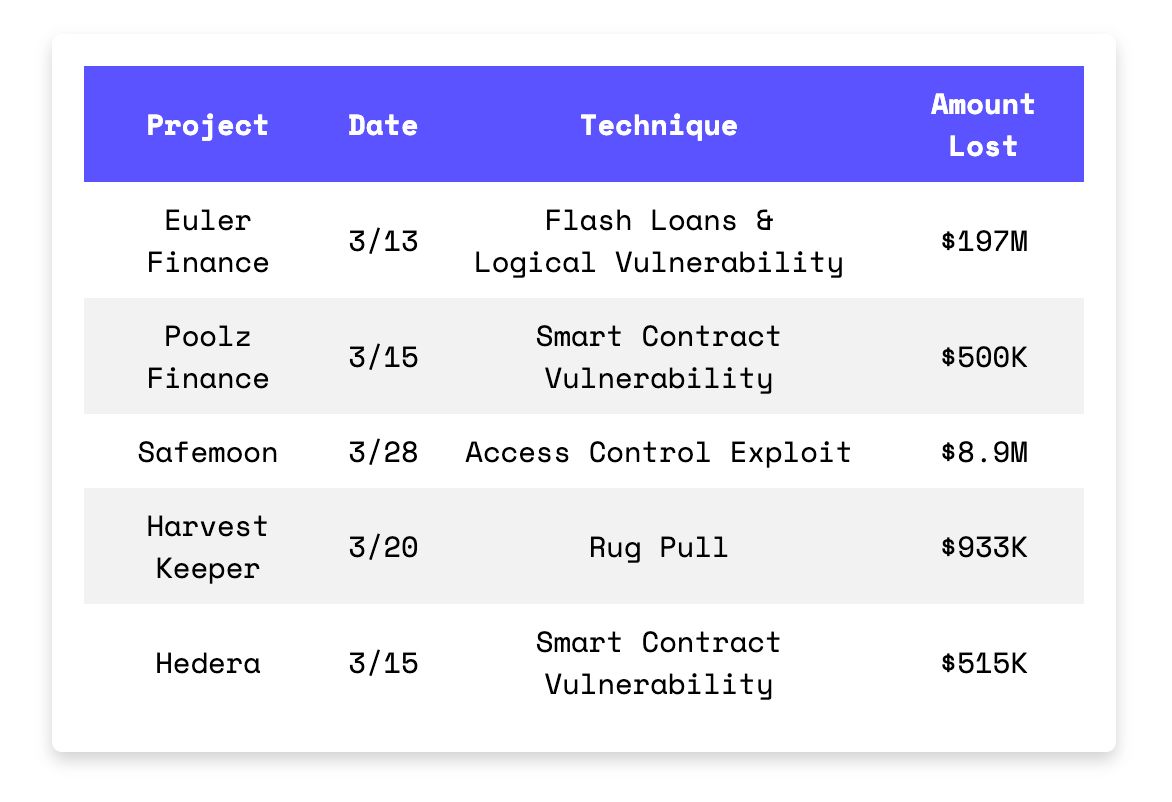
The number of thefts of funds from crypto projects is not decreasing. Most of the incidents are related to smart contract vulnerabilities you need to know.
RWA tokenization hit $35.68B in 2025, but $14.6M in hacks exposed security gaps. Can the industry scale to $2 trillion by 2028 amid regulatory fragmentation?
A better alternative being proposed in many research papers is using biometrics to allow access. Crypto-Biometrics is a combination of mathematics, cybersecurit
A discussion with the Founder & CEO of Lionsgate Network about evolving cybersecurity threats, victim challenges in fraud, and the need for enhanced solutions.
Most people think that blockchain is completely safe and particularly difficult to hack. Let’s find out about blockchain security issues and how to fight them.
Blockchain transactions are visible to anyone, anywhere in the world. This is how protocols ensure transparency. However, this introduces a challenging problem.
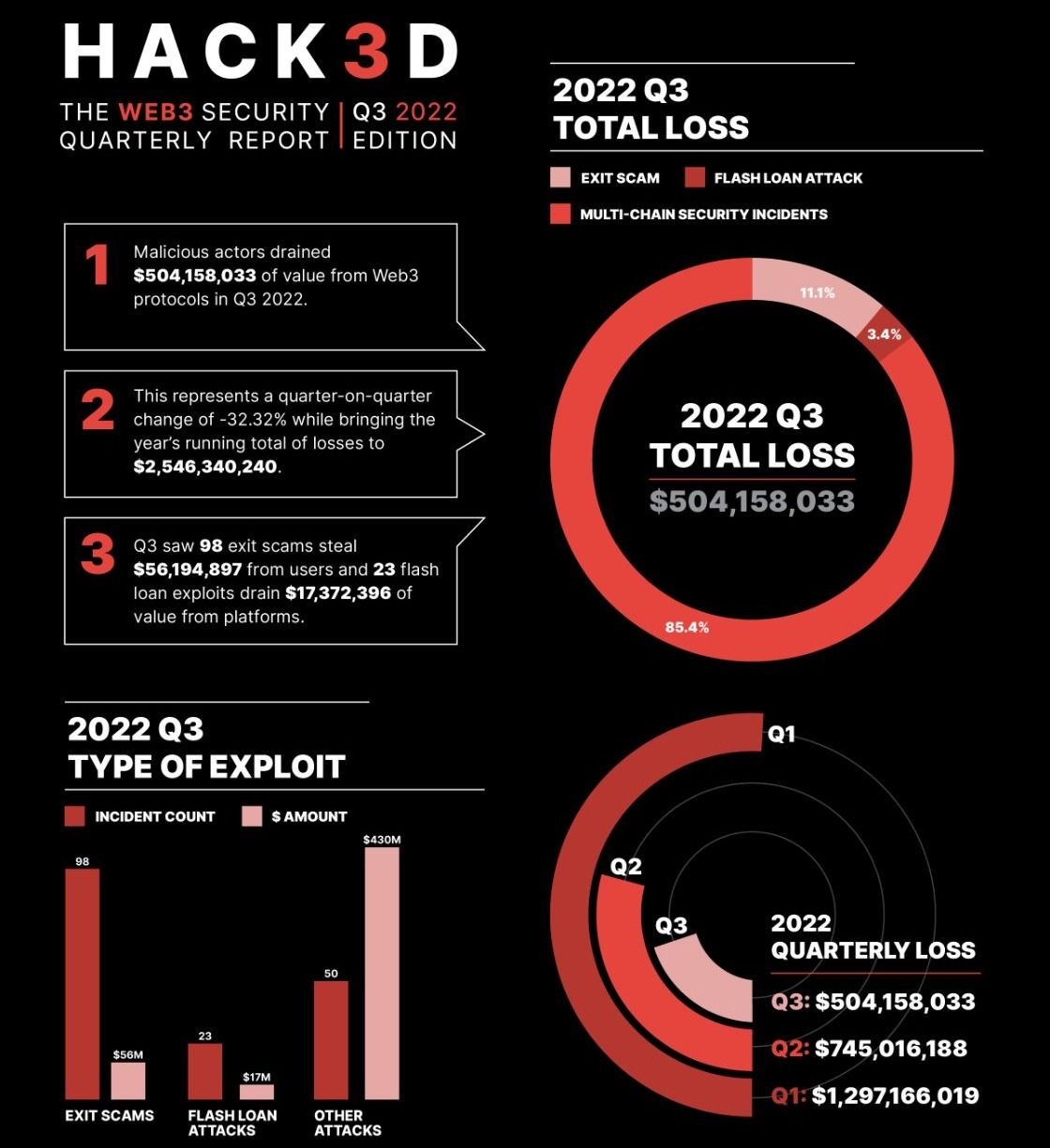
To be frank, the numbers don’t look good. Over half a billion dollars of value was drained from Web3 platforms and users between July and September of this year. $504,158,033, to be precise. This is not a great look for the crypto industry, whose market capitalization has already suffered a 70% drawdown over the last year. Adding half a billion dollars of losses due to security incidents onto the industry’s notorious price volatility is not a recipe for attracting new users and bolstering the confidence of those who have stuck around.
In the third quarter of 2022, Beosin EagleEye monitored over 37 major attacks in the Web3 space, with total losses of approximately $405 million, down approxima
A novel framework uses Slither, RFC, and LLMs to classify and automatically repair smart contract vulnerabilities with over 97% success, preserving function.
Exploring the impact of smart contract audits on reducing crypto hacks, highlighting the importance of routine checks and advanced cybersecurity measures.
Coinspect revolutionizes blockchain security with smart contract audits, vulnerability testing, and tailored strategies, ensuring safe and reliable DeFi systems
Why blockchain bridges keep getting hacked. A practical breakdown of the most common vulnerabilities and how developers can secure cross-chain systems.
Explore the role of blockchain nodes—learn how they support decentralization, security, and scalability, and why they’re crucial for crypto and smart contracts.
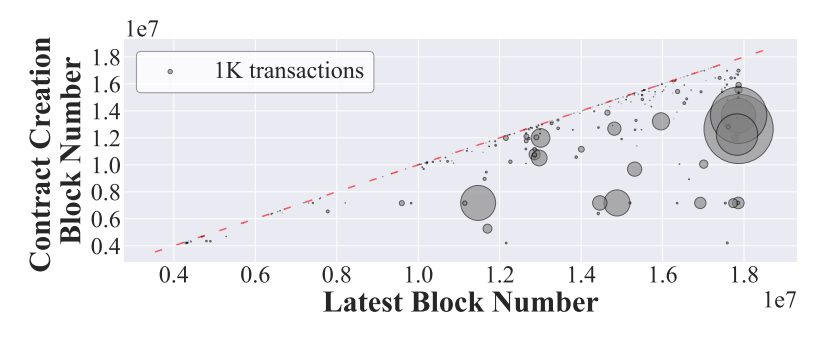
Over $11.2B in assets were found locked in vulnerable Ethereum contracts. This study breaks down key behavioral, activity, and financial risk patterns.
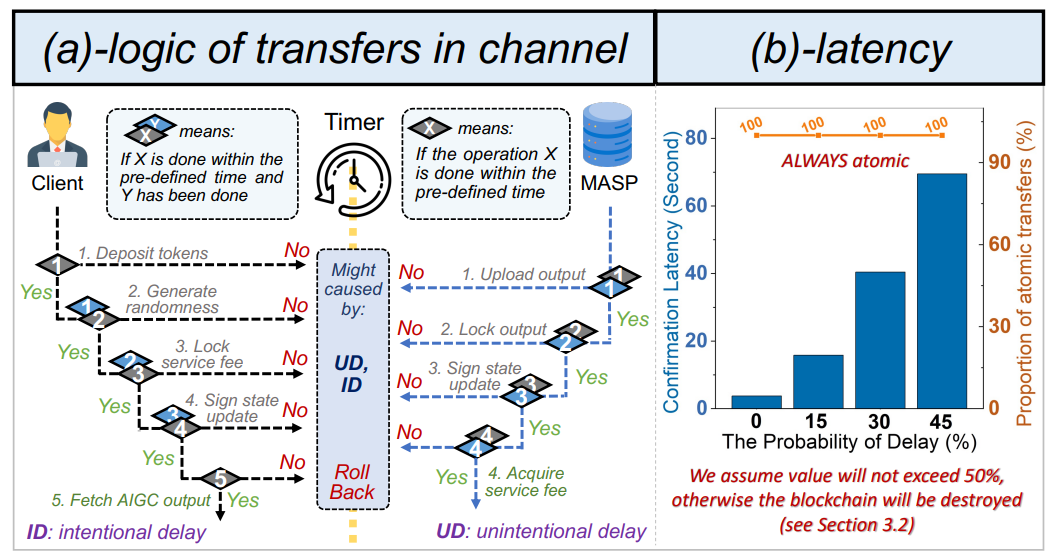
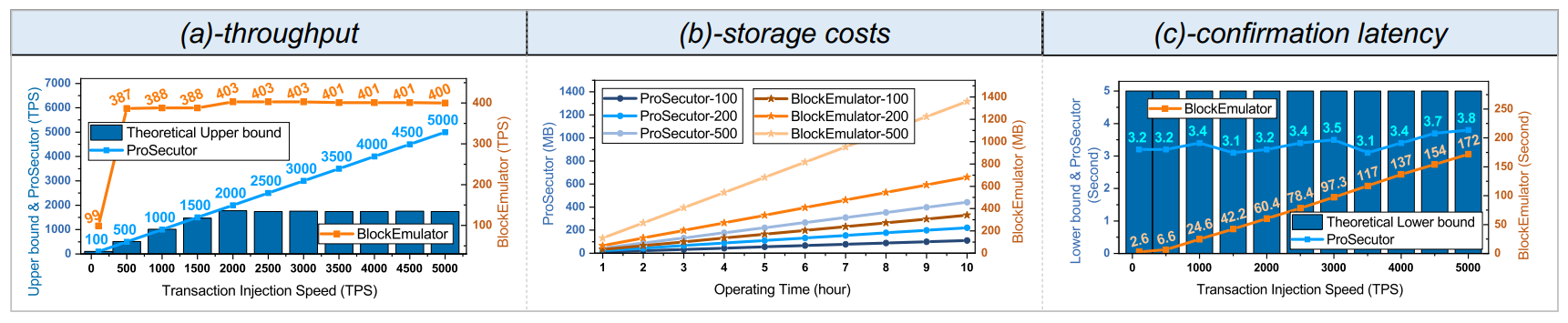
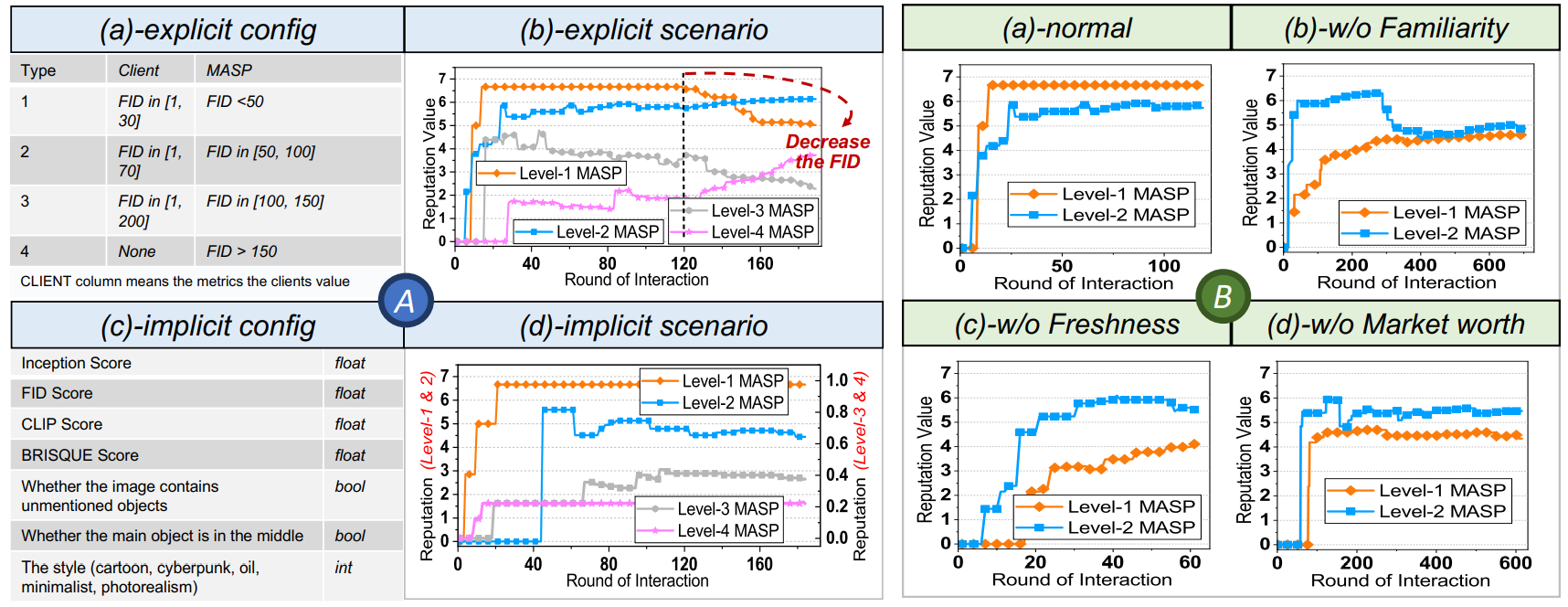
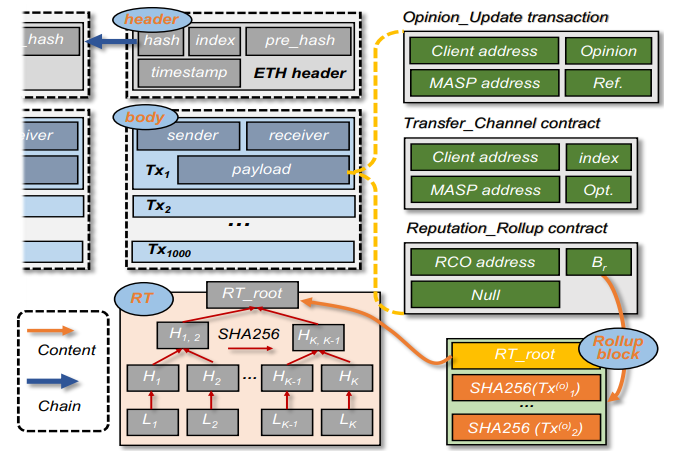
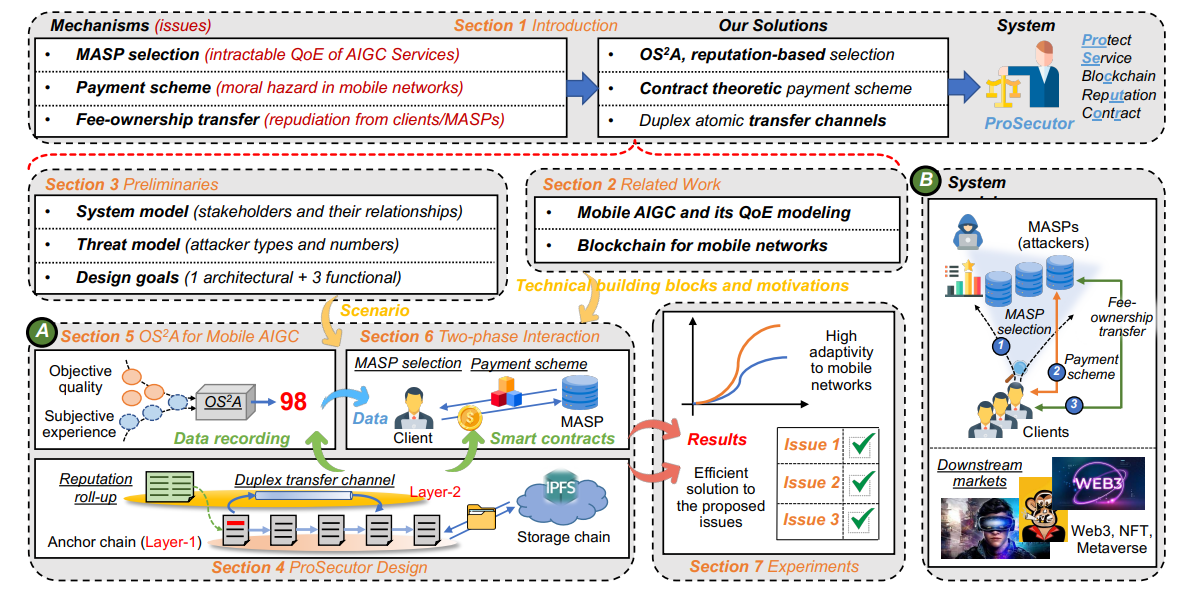
Boost blockchain efficiency with layer-2 reputation roll-up and duplex transfer channels. Reduce storage needs and latency using smart contract innovations.
Quantum computing threatens blockchain security; this study implements post-quantum solutions on LACChain to safeguard blockchain against future quantum attacks
Three post-quantum signature verification schemes—Solidity, EVM, and precompiled—balance scalability and mainnet compatibility for future-proof blockchain.
Non-fungible tokens represent an exciting new development in the world of digital assets that has a lot of people excited. Among those people are hackers who th
In blockchain development, smart contracts may encounter serious vulnerabilities, especially when there’s a loop that iterates over data provided by users.
The term “smart contract audit” is an evolution of industry lingo, it does not have a rigorous definition, and it can mean different things to different people.
Learn how blockchain app developers have built blockchain trust through a smart blockchain user interface fast-tracking adoption, accompanied by statistics.
Rev3al aims to revolutionize blockchain security with innovative authentication solutions, offering trusted protection for digital assets against fraud.
This work delivers scalable, post-quantum security for blockchain by adding quantum-resistant certificates, tunnels, and signature verification schemes.
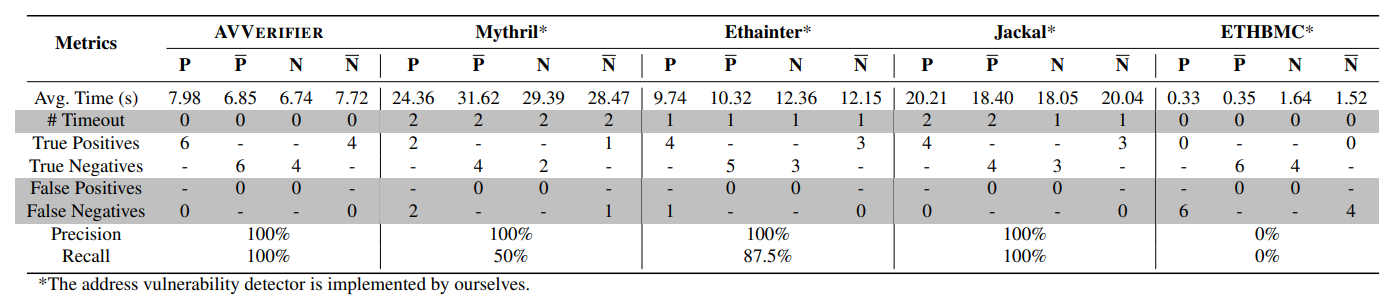
AVVERIFIER detects smart contract flaws like address verification vulnerabilities, but faces limits in scalability, auto-exploitation, and ethical outreach.
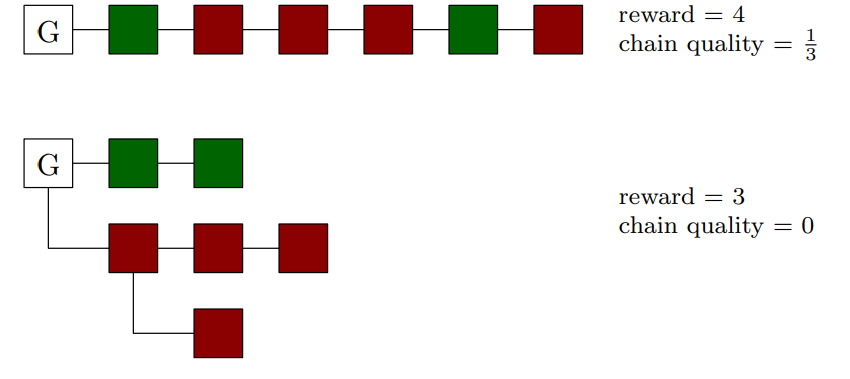
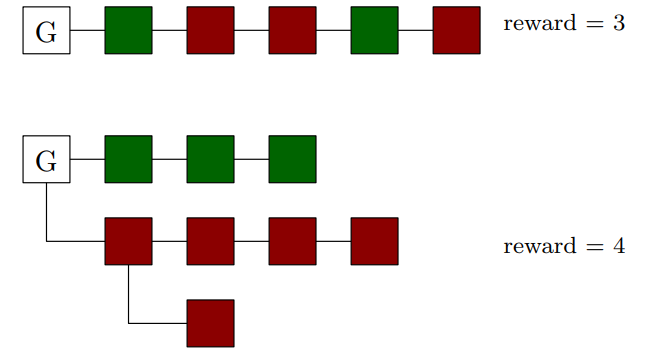
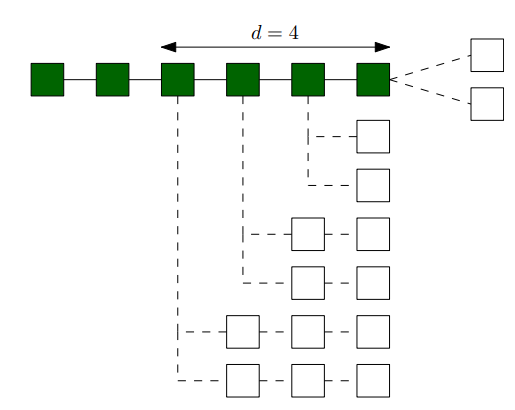
Formal analysis of selfish mining in efficient proof systems using mean-payoff MDPs and custom reward functions to model optimal adversarial strategies.
A flexible, formally verified approach to modeling selfish mining in blockchains using MDPs—highlighting benefits, limitations, and strategic insights.
This article explores the multifaceted world of blockchain security, addressing various aspects of concern and providing insights into blockchain concerns.
RPA slashes costs, boosts accuracy, and frees staff for higher-value work—making business automation a must for scaling in today’s competitive climate.
his proof demonstrates how strategies in Markov decision processes yield ergodic Markov chains, with state recurrence ensured by honest mining behavior.
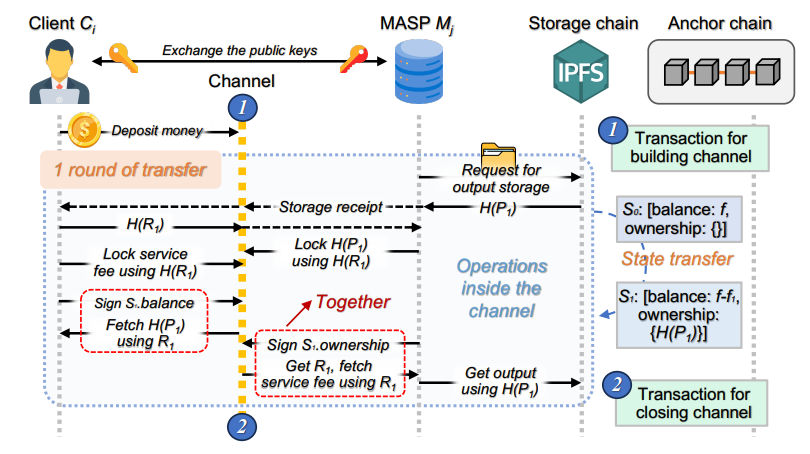
Explore how ProSecutor protects mobile AI content generation from adversarial threats using secure design goals, blockchain, and efficient MASP selection.