You signed in with another tab or window. Reload to refresh your session.You signed out in another tab or window. Reload to refresh your session.You switched accounts on another tab or window. Reload to refresh your session.Dismiss alert
Let's learn about Internet Security via these 69 free blog posts. They are ordered by HackerNoon reader engagement data. Visit the /Learn or LearnRepo.com to find the most read blog posts about any technology.
Internet security encompasses measures used to protect data and information transmitted over the internet from unauthorized access, use, or disruption. It matters for maintaining privacy, protecting sensitive information, and ensuring the trustworthiness of online interactions.
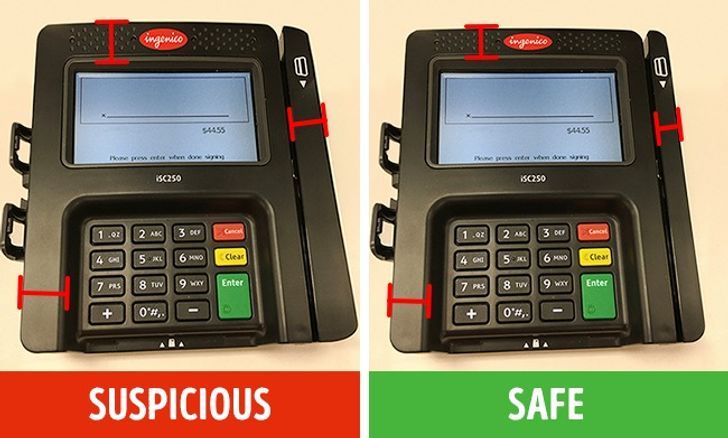
Credit card skimming occurs when someone places an electronic device on or near a credit card reader. This device captures and stores your credit card details.
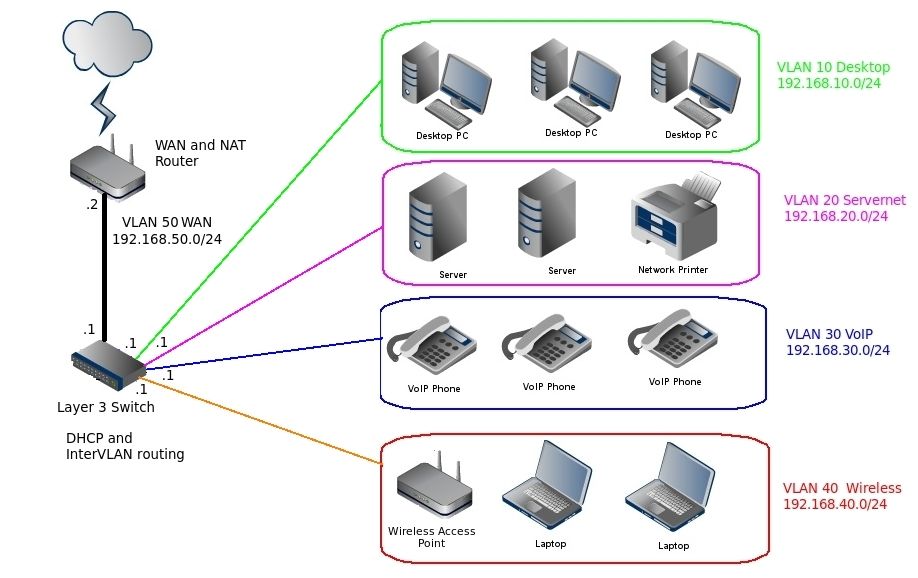
In today's complex business networks that comprise many virtual LAN's and subnets, a Layer 3 switch plays an important role in many systems. But do you need this on your network? Let's see.
DNS is a protocol that translates human-friendly URLs into IP addresses and a DNS attack is when a hacker exploits vulnerabilities in the DNS service itself.
Underwater cables carry most of the world's information, but they're vulnerable to cyberattacks and physical threats. Here's how undersea cables are protected.
Cybercrime, internet surveillance, and geo-blocking are nowadays as big an issue as ever. No wonder, then, that more and more concerned netizens are looking for ways to protect their personal data, sensitive information, privacy, and internet freedom. Sooner or later, they hear advice to use either proxy servers, VPNs, or SmartDNS services. But what’s the difference between them, and which one to choose?
Anti-malware software defends against new malware you may encounter while antivirus software scans for known viruses and searches for any known threats.
Is it possible to trace an IP ? To what extent does it reveal your physical location? How to prevent your IP from being tracked? Let's learn more about IP.
Content Security Policy (CSP) is an added layer of security that helps to detect and mitigate certain types of attacks including XSS and data injection attacks.
There is only one way to explain the dangers of the Internet to children: to be there with them. Talk about the good and the bad that that the internet offers.
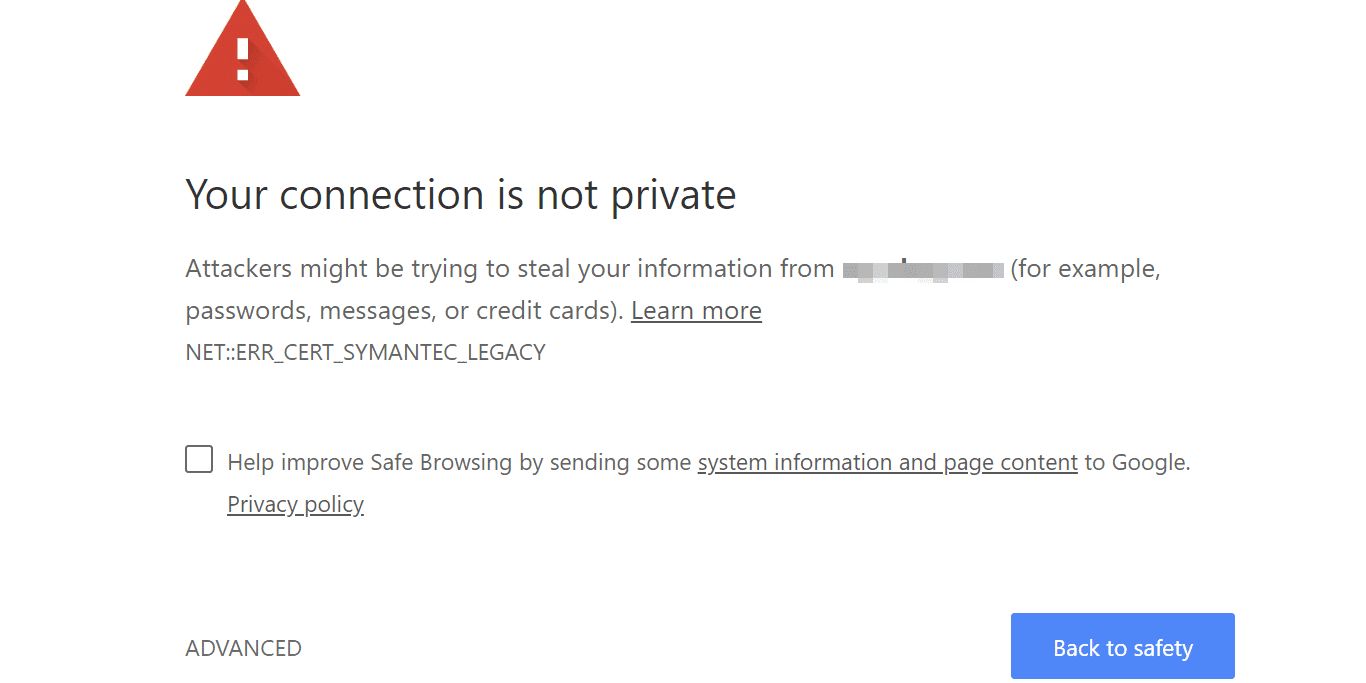
Transport Layer Security, better known as SSL/TLS, is an encryption protocol designed to offer secure communications over the internet to improve user privacy.
As we adjust to life during a pandemic, two things have become clear: First, the internet is essential; second, the internet is full of dangers. Each of these dangers is different: They vary in the sort of attack they strike with, our familiarity with them, and the tools we can use to avert them. For example, viruses have been well-known for decades. Every PC is currently protected with antivirus software--and in many cases, it’s incorporated right into your operating system. Other types of internet threats, such as botnets, are newer, more difficult to detect, and less known to web users.
As the threat landscape encapsulating organizations and companies grows increasingly sophisticated, and harbors a growing number of threats and vulnerabilities- organizations are getting more accustomed to commonplace scams such as phishing.
Trying to find the best VPN can be a daunting task, especially when there are so many to choose from. While free VPNs might seem like an easy way to dive into better security and bypass content locks, many of them are also likely to steal information and leave users in worse spots than they already were. Not every free VPN does this, but those wishing to truly be secure online will be much more comfortable with a paid service. Luckily, some of the best VPN services come with a free trial, and users would do very well to take advantage of them.
In 2020, we are now more connected to the internet than ever before, from having smart fridges, smart cars, and even RFID implants that can be placed under our skin.
Proxies can be used for an IP covering, but other distinguishing features need something more. And all this because of a digital fingerprint revealing us.
LDAP or Lightweight Directory Access Protocol is a methodology designed to read data in a directory, file or device. This is actually a directory access service which, for instance, can be used to provide information about a user who is trying to login as part of a single-sign-on, SSO process.
A fire broke out in the SK C&C Banqiao Data Center, Sanpingdong, Bantang District, South City, Gyeonggi do, South Korea, on October 15, at 3:19 p.m. local time.
The cyber-world now accommodates billions of users. There are more than 4 billion internet users in the world today. It's just unfortunate that a large percentage of these users face cyber attacks from unknown sources. While some users are afraid of being attacked, others are ignorant of possible attacks. As an organisation or an individual that utilises the internet, it's a must to know some security tricks. If you're wondering what the tricks are, read on.
Let’s take a look at the three key issues associated with Virtual Private Networks while questioning whether they’re really as private as we’re led to believe.
Web security is the process of protecting systems, networks, programs, devices, and data from cyber-attacks. It aims to reduce or stop the risk of cyber-attacks and protect against the unauthorized hijacking of systems, networks, and technologies.
Cyber range simulations help create resiliency by enabling companies in an actual situation to stress-test through Cloud computing. With tabletop drills or classroom instructors we need immersive funds to support situational awareness in a way that is very difficult to duplicate. Cloud Simulation contributes to experience on-the-ground and provides various advantages, including statistical information, input from real-time experts, and cross-functional coaching. There are potentially many challenges with the on-site classrooms based on several experts:
In 2019, more than 627 million online records were comprised due to hacking and other types of cyber attacks. This is a pretty staggering number to anyone who has made an online transaction, but the amount of attacks that were stopped is much higher, so it’s worth some optimism. As COVID-19 has pushed many companies into the remote work world, online transactions and records are growing exponentially, and most experts believe that remote work will continue to be very popular even after stay-at-home orders get lifted and life goes back to some form of normal.
Technology is evolving at an incredibly fast pace. An analog world wasn’t that long ago, when phones stayed on the wall, the internet was in its infancy, and seamless global connection seemed distant. Yet now we can summon cars from the mini computers in our pockets, jump on a real-time video call with someone across the world, and have our refrigerators order our groceries.
Data transfer is very important and it keeps happening almost every minute. As we chat on various social media applications or even like a post, there is a transfer of information that is happening. While we may not be too bothered about the way in which information and data are transferred from the receiver to the sender and vice-versa, we, of course, would be concerned about the safety of the data and information that is flowing on the internet and other forms of communication.
There are certain cyberattacks, like attackers trying to inject data from the front-end, that you can guard against with some regular JavaScript best practices.
These days, reports of major data breaches happen so often that people are beginning to tune them out. After all, most people who have had their data stolen don't actually end up suffering any visible consequences. Therefore, it's all too easy to meet the news of each new security incident with a casual shrug.
More than two thirds of the U.S. population is now stuck at home as more states are creating new restrictions to try to slow the spread of COVID-19. The internet is now being used more than ever as millions are turning to it as an alternative source of social connection, work, and entertainment. In Seattle, one of the cities in the U.S. that was hardest hit by the virus, internet traffic quickly began to rise - from January to March it has risen by an astounding 30%. Other U.S. ISPs are noticing huge spikes in WiFi calling, online gaming, and VPN usage across the country. With a huge number of increased active users, governments and companies alike are making moves to help Americans stay online. One of these steps is the FCC’s Keep Americans Connected pledge that over 70 telecom companies have signed stating that these companies will waive late fees and retain service even with lack of payment. Other companies are making public WiFi networks for students and remote workers. Comcast is setting up public hotspots for free use, Comcast and Spectrum are both offering 2 free months of access to low-income families, and AT&T is suspending broadband usage caps.
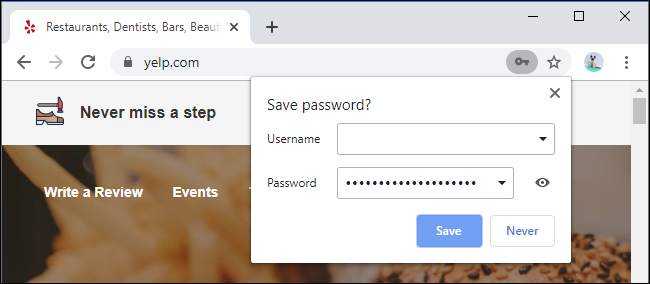
You may ask, "My web browser already has a built-in password manager, why do I need to install a new one?" There's actually a number of good reasons to install a password manager.
The future of the internet will come with more risks to our data privacy. Fortunately, Blockchain and Decentralized Identifiers can work together to protect.
Google wants to change a major part of web browsing by killing the URL, in parts though. After their first step was successful, here’s what they plan for the second step.
IT Security protects your business against cyber threats. There are four types of IT Security: network security, end-point security, internet & cloud security.
With the number of products available, it can be an uphill task to try to ensure robust network security and visibility. This, however, is a task that must be accomplished if you want to be competitive.
Password managers are a convenient way to use strong, unique passwords everywhere. Another good thing about password managers is that they help protect you from malicious websites that attempt to "phish" passwords.
The days of thumb drives are slowly passing us by because cloud-based storage solutions are here to stay. Services like Google Drive and Dropbox store your data on the web and let you access them at any place and time. As long as you have access to the internet that is. But in this day and age, who doesn’t right?
In this article, we will cover the origins of the transition, the differences between the two versions, and a sometimes-overlooked aspect of the transition
We live our lives online these days – and given this simple fact, it should come as no surprise that cybersecurity is one of the fastest growing industries around, and one that’s critical to all other sectors. For those in the cryptocurrency industry, however, cybersecurity plays a more interesting role. That’s because, while cryptocurrency operations clearly need to enhance their own cybersecurity efforts, they’re also reliant on technology – blockchain – that other industries are using for their own security needs.
ERP systems are complex solutions that handle business-critical processes and manage sensitive data. These factors alone are enough to make them an attractive target for cybercriminals. Despite it being common knowledge, businesses often opt for simpler and cheaper solutions that do not address the issue at the system level. Below is an in-depth look at the main factors that erode corporate cybersecurity and ways to prevent cyberattacks.
When it comes to your organizational security, there should be no stone left unturned. Unfortunately, many organizations fail to do this, as they aren’t even aware that there are unturned stones. Overlooked access rights are one of the most unnoticed security threats your organization can face—less of a stone and more of a somehow-overlooked, but ever-looming mountain.
Windows 7 has recently joined the club of all Windows operating systems that Microsoft is no longer supporting with security updates. So if you're still running on Windows 7, pretty soon it's going to be full of unpatched security holes.
Microsoft Edge has a new crapware blocker. But the thing is, it isn't enabled by default. The blocker is currently only available in Edge's beta version but it should be available for everyone using the Chromium-based Edge browser with the stable release of Edge 80 in early February.
Microsoft Edge has a new crapware blocker. But the thing is, it isn't enabled by default. The blocker is currently only available in Edge's beta version but it should be available for everyone using the Chromium-based Edge browser with the stable release of Edge 80 in early February.