You signed in with another tab or window. Reload to refresh your session.You signed out in another tab or window. Reload to refresh your session.You switched accounts on another tab or window. Reload to refresh your session.Dismiss alert
Let's learn about Aws Lambda via these 218 free blog posts. They are ordered by HackerNoon reader engagement data. Visit the /Learn or LearnRepo.com to find the most read blog posts about any technology.
Ever since AWS made a serverless option of AWS RDS Aurora generally available, I’ve been on the edge of my seat, eagerly anticipating all the various possibilities. It would mean a breakthrough in building serverless architectures. No more managing connection pools with SQL. No more worrying about capping out available connections. This would make it viable to use serverless for database intensive operations.
When developing an application it is important to have assets resized for different capabilities, screen sizes, and resolutions. This is important for many reasons.
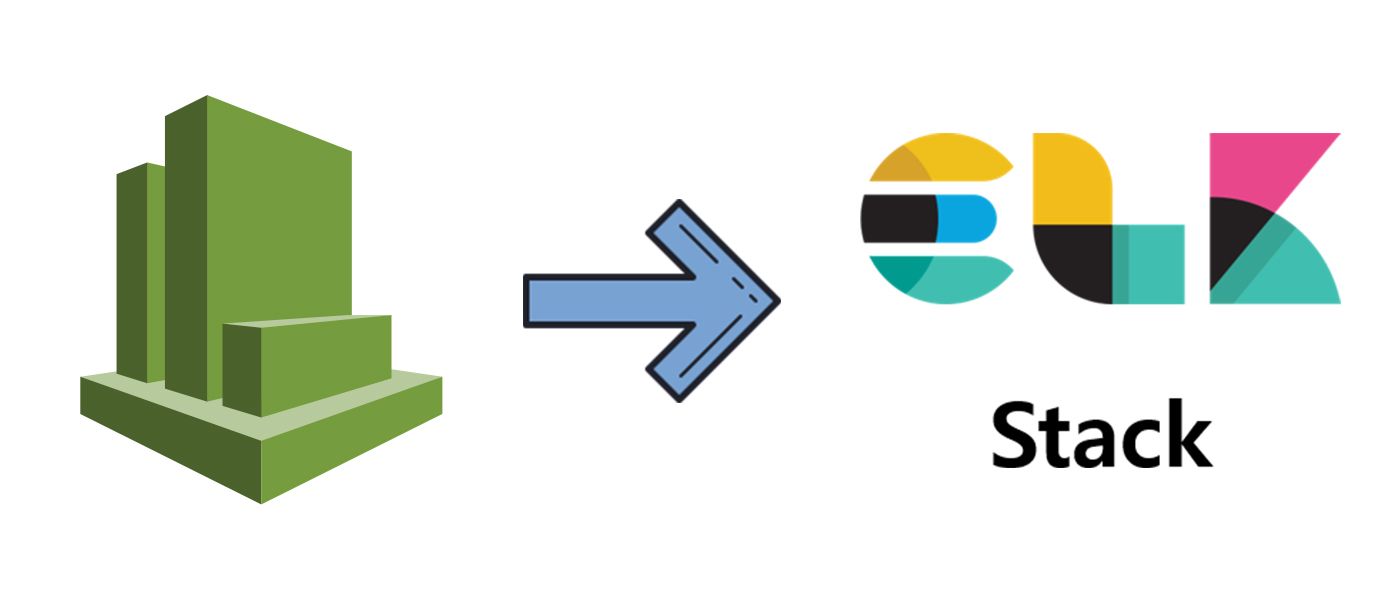
Cloudwatch is an AWS service that allows storage and monitoring of your application logs from an array of AWS services. This can be really useful for creating alerts to notify developers when a certain threshold of errors has been hit, but sometimes we might need to deeply analyse our logs, not only to spot errors but to find insights into our application and improve performance. This is where an ELK (Elasticsearch, Logstash, Kibana) stack can really outperform Cloudwatch. ELK allows us to collate data from any source, in any format, and to analyse, search and visualise the data in real time.
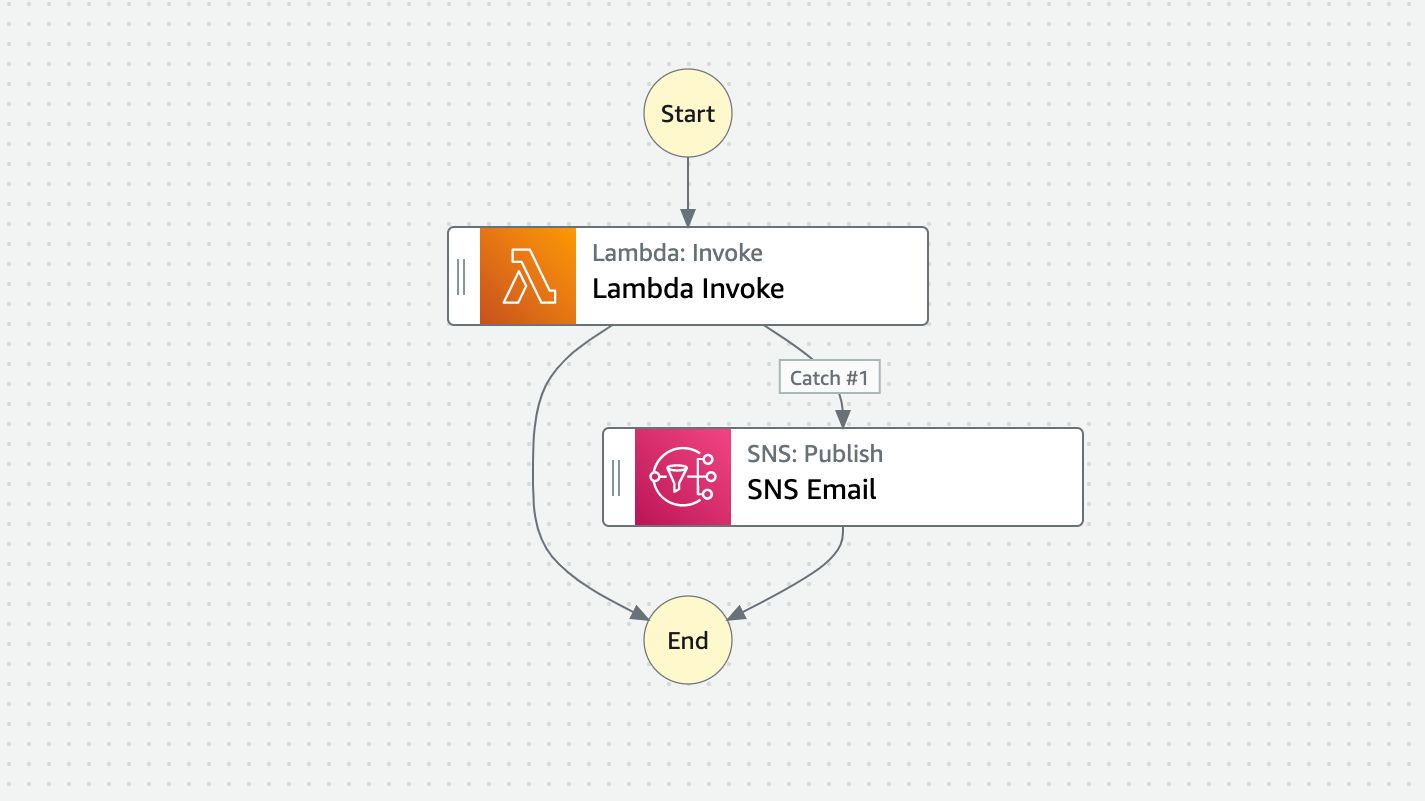
AWS Step Functions is a great service for orchestrating multi-step workflows with complex logic. It’s fast to implement, relatively easy to use and just works. The problem is its price.
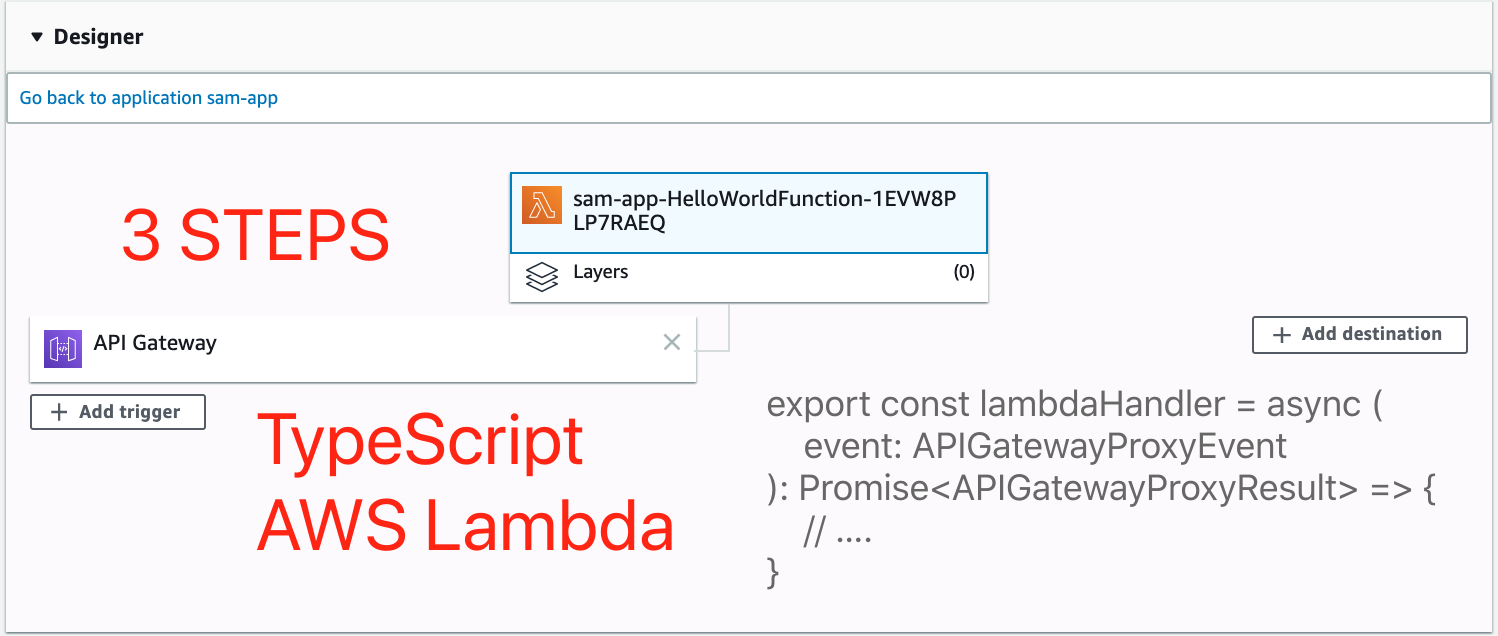
When we are using NodeJS as the runtime for AWS Lambdas, JavaScript is the default language. However, due to the lack of typing check in JavaScript, from time to time, buggy codes are deployed to Lambda inadvertently. Such as a small typo like this:
When building for large-scale use, using Rust certainly feels worth it both from a cost perspective (factor x3 saved) and from a performance perspective.
A majority of companies prefer to focus their resources on other things rather than on scalability, which causes massive problems in the future, especially once they grow to one million users. The objective of building a robust serverless application is to succeed in making it scalable and powerful at the same time.
The AWS SDK for JavaScript (v2) will be put into maintenance mode this year 2023. I share some tips that will save you time rule migrating to AWS SDK (v3)
The debate over whether to use a single-purpose function vs a fat lambda continues to this day. We hope to convince you that Fat Lambda is truly an anti-pattern
Recently, I have been helping a client implement an event-sourced system. In the process, I put together a very simple demo app which is available on GitHub here.
In this blog, I am going to show you how we can use rekognition for image analysis using lambda function.we will be going to perform label detection and object detection for an image so basically we are performing image analysis in this blog.
Handling large images has always been a pain in my side since I started writing code. Lately, it has started to have a huge impact on page speed and SEO ranking. If your website has poorly optimized images it won’t score well on Google Lighthouse. If it doesn’t score well, it won’t be on the first page of Google. That sucks.
If you have B2C applications, you have to deal with support tickets and emails. According to user size, it can be difficult to handle emails with a person or manage same email address with multiple people for support mails.
Hi, I am developing a freelance project with aws lambda. I used Jenkins and docker for CI/CD. Jenkins runs pipelines on containers. In this Tutorial I will show you how I set my environment.
AWS customers build microservices on 3 common patterns: API-driven, event-driven, & data streaming. The blog covers the common characterics of microservices.
Today we’ll finally clarify IAM, specifically when to use Users vs Roles. With the visuals and examples I’ll share, you’ll realize it’s surprisingly simple.
As we know with great power comes great responsibility, on-demand backups are the real saviour if your Dynamo DB got corrupted abruptly. Also, it helps you to meet the compliance requirements for the ages if your client keeps bothering you like your Ex. But I don't have the tenacity to initiate the Backup every day. Hence, I devise a Serverless solution for all the lazy people like me out there to automate the DynamoDB backup. Where, we can explicitly mention the backup intervals, table names and backup retention period. I have achieved this using a conjunction of AWS services like Cloudformation, Lambda and Cloudwatch.
How to write a Lambda function to convert json data to xlsx file and then upload to s3 and return a signed url of that uploaded file on a serverless framework
Once upon a time, not so long ago, a word caught my ear. Lambda. That struck a chord, remembering the good old days of playing Half-Life as a kid. Little did I know what AWS Lambda was, and how incredibly awesome it is. If you’re intrigued, stick around. I’ll only take a few minutes out of your already busy day, and you surely won’t mind.
Learn how to implement custom logging for AWS applications using Lambda, integrating with Slack for real-time alerts and storing logs in DynamoDB for auditing.
Sentiment analysis uses AI to identify the core emotion behind a piece of text. In this article, we will look at how to build a sentiment analyzer using AWS Comprehend.
Social media, especially closed groups like those on telegram are likely to be used to spread disinformation. This Telegram bot helps users to bust fake news.
This article will give you a basic understanding of the main AWS features and will be useful for those who are just starting to get acquainted with the platform
A short post on how to generate dynamic open graph images using puppeteer-core and chrome-aws-lambda for sharing on instant messaging platforms online.
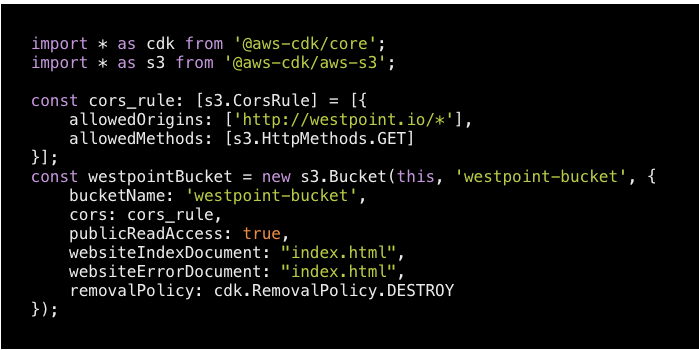
The AWS CDK is a software development framework to define cloud infrastructure as code and provision it through CloudFormation. The CDK integrates fully with AWS services and allows developers to use high-level construct to define cloud infrastructure in code.
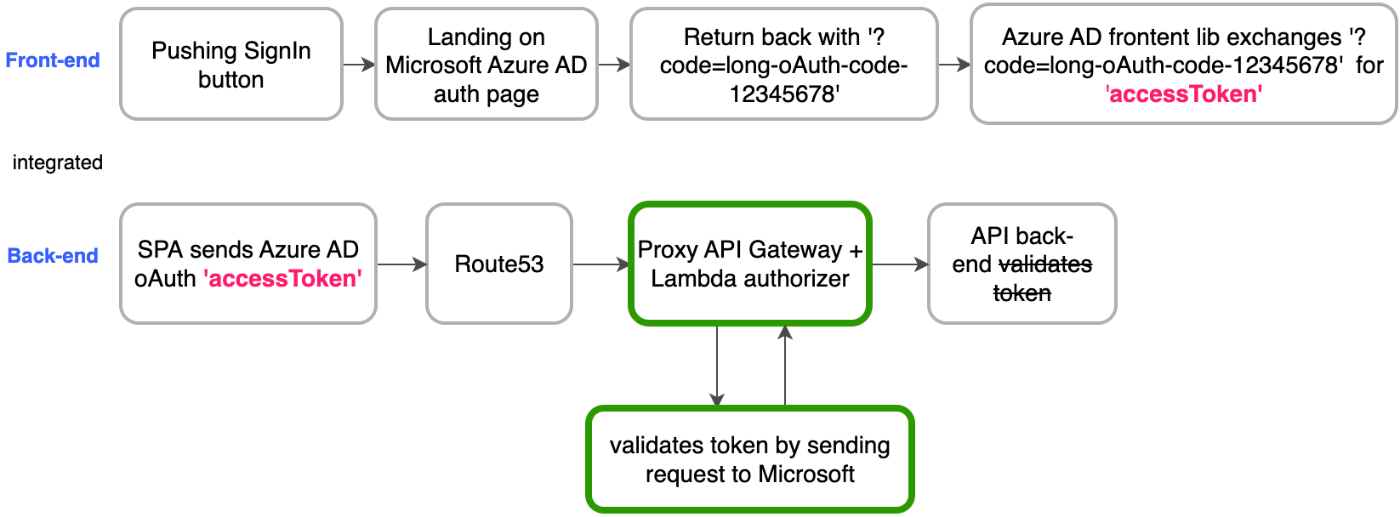
On one of the projects I worked on, there were 8 services that used Auth0 for front-end authentication and a rotated static token for back-end authentication.
Outlined below is the setup for a AWS lambda function which combines
fetching the HTML for a URL, stripping it back to just the essential
article content, and then converting it to Markdown. To deploy it you’ll
need an AWS account, and to have the serverless framework installed.
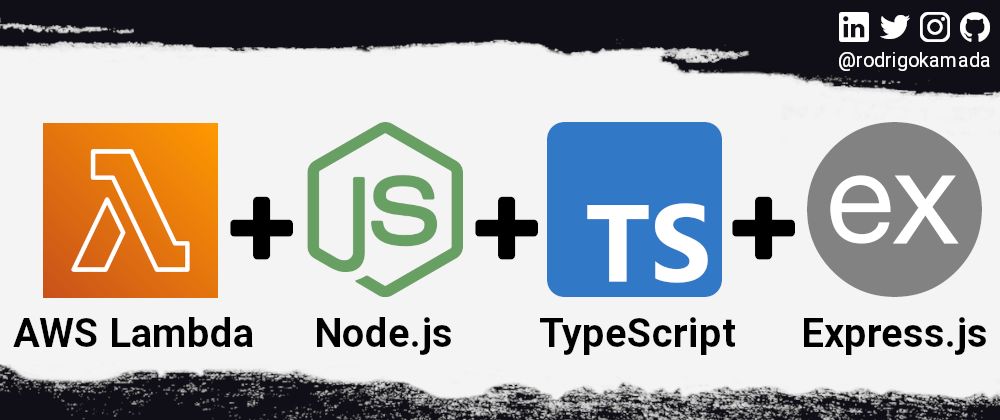
An example application using the Node.js with TypeScript and Express.js where a serverless API will be implemented and deployed on the AWS Lambda service.
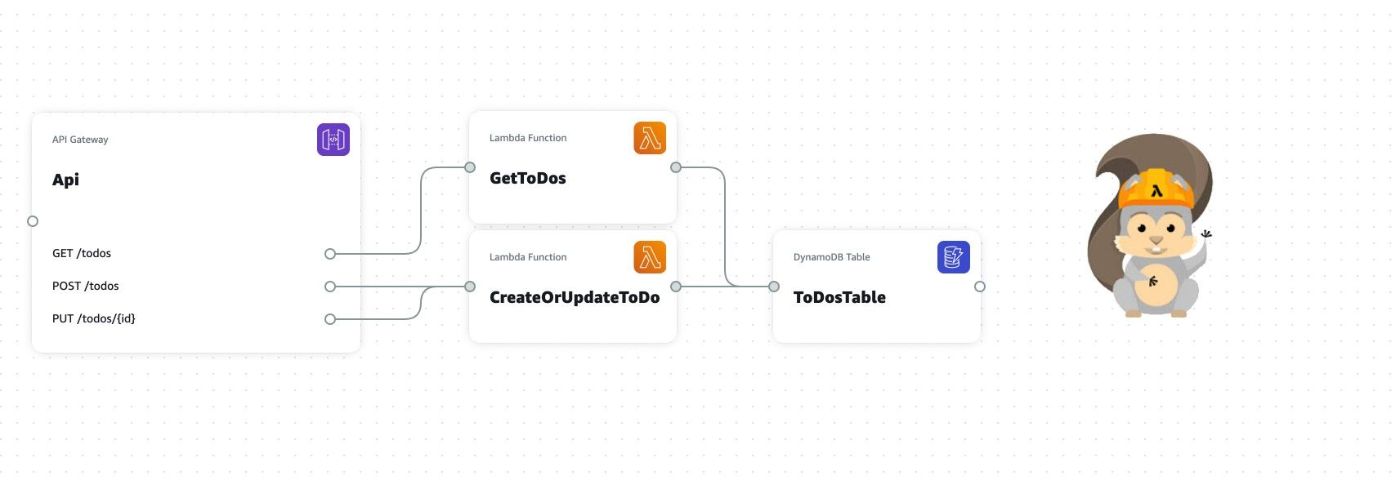
Knowing how to build REST API with latest tech is cool. You know what's even cooler? It's being able to deploy it to the cloud! I'll walk you through the process of building simple, server-less application using GO, AWS (Lambda, API Gateway, Dynamodb) and Terraform.
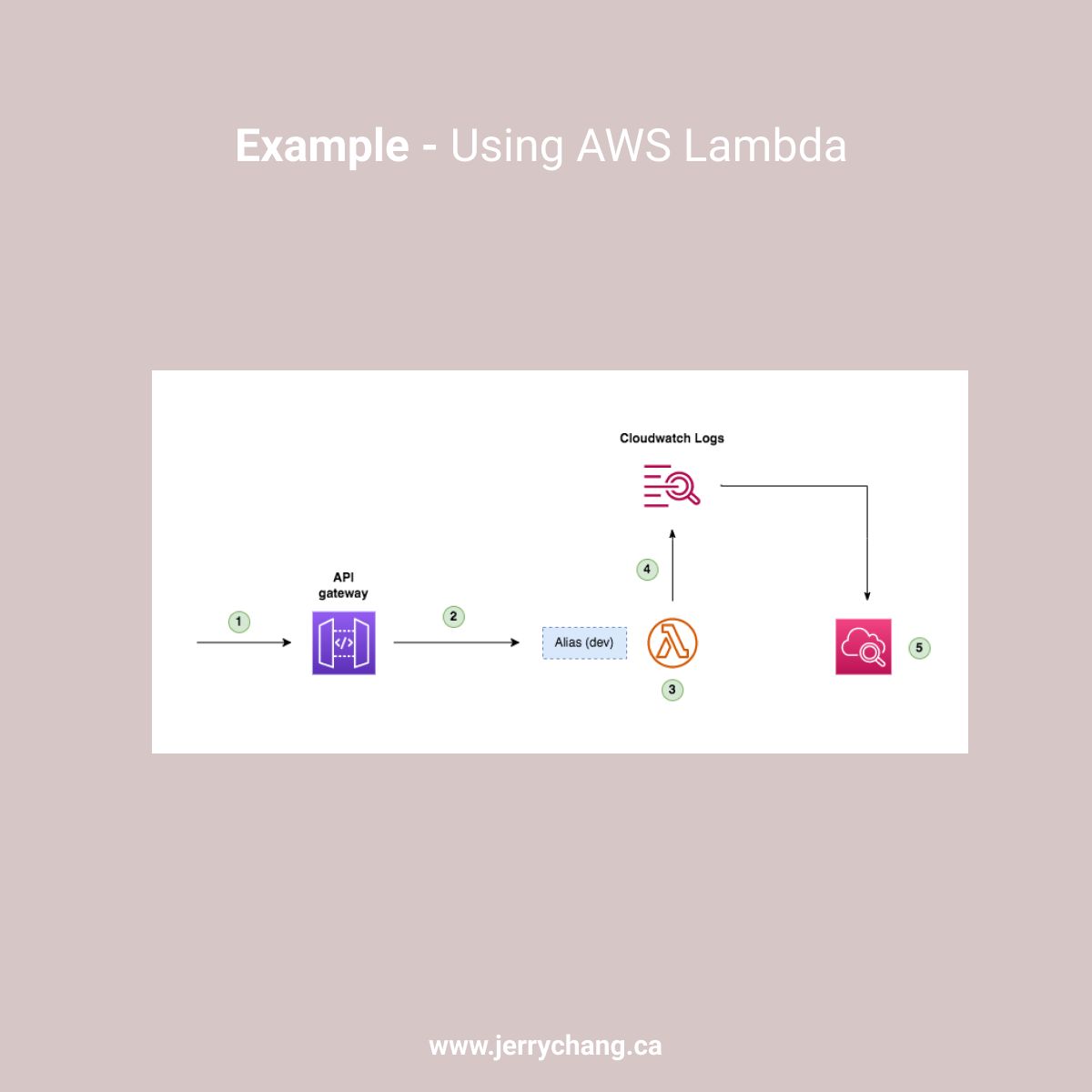
Amazon web services (AWS) is a powerful platform for almost every webservice you can imagine. With AWS API Gateway and Lambda you are able to create REST API’s with ease! API gateway is enables you to create the API. Lambda lets you execute code when the API is invoked. This code can be in many programming languages like Python or Node.JS.
While building ScrapingBee I'm always checking different forums everyday to help people about web scraping related questions and engage with the community.
Over the last few weeks I have been working with a very ambitious client – Solve, who is building a new murder mystery game. They are doing some really cool things technically, and are building an entirely serverless stack.
There are many ways to reduce AWS Lambda costs. In this article, we'll take you through the AWS Lambda cost optimization strategies that have worked for us.
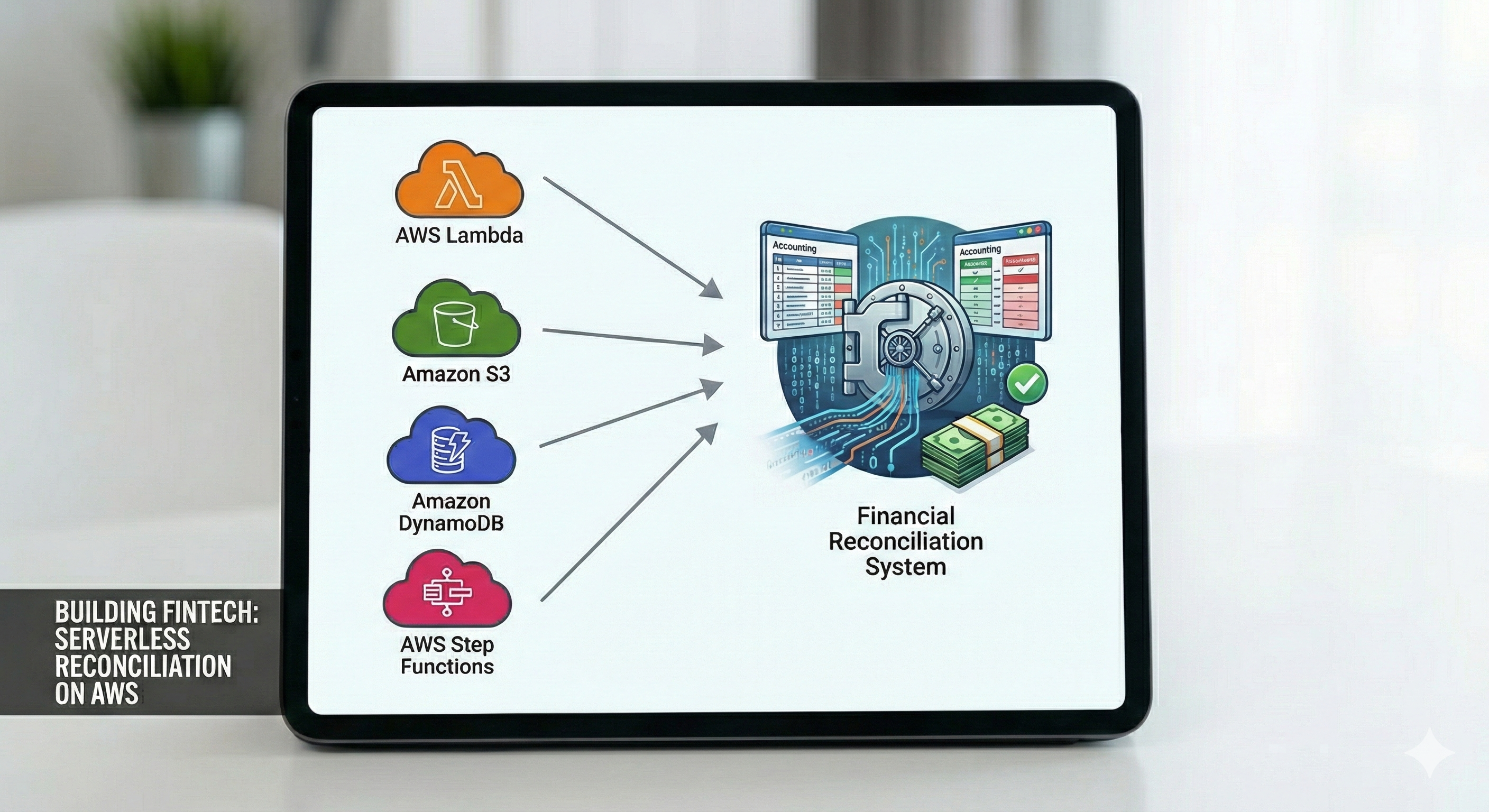
Lessons from building a serverless reconciliation pipeline on AWS using S3, SQS, Lambda, Step Functions, and DynamoDB to handle fintech-scale financial data.
I wanted to start a serverless project, and one of the primary headaches aside from architecting the workflow and deciding which lambda functions need to be created is a simple and yet effective CICD workflow.
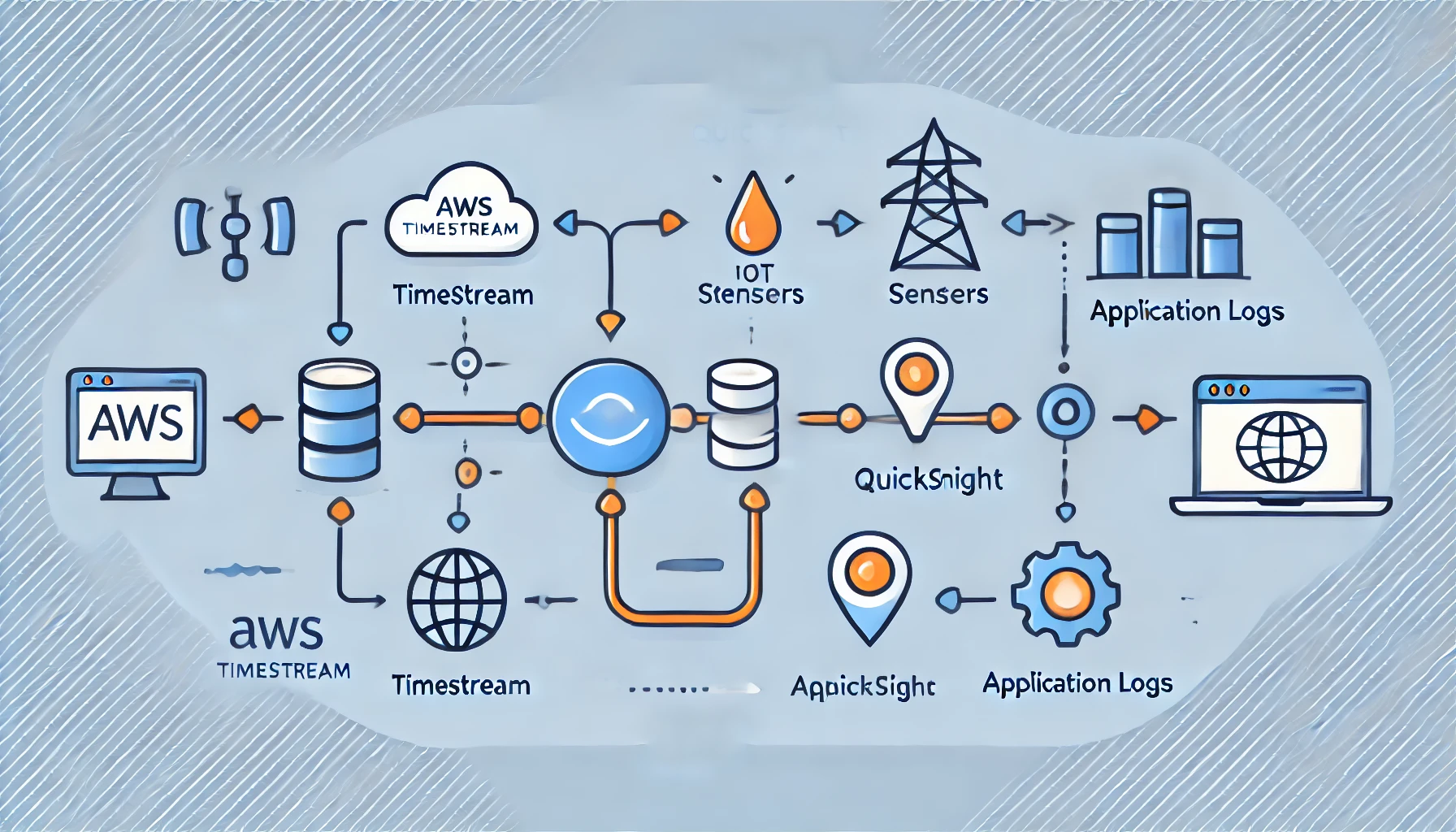
Build a scalable and reliable real-time analytics platform using AWS SQS, Lambda, and Timestream for efficient data ingestion, processing, and visualization.
This IoT walk-through lab will show you how to send IoT data from your ESP8266 or ESP32 device, through AWS API Gateway, to Lambda, to a data lake in S3, and finally design a static web page for IoT data visualization.
As a freelancer working for different countries, I needed to optimize my currency exchange. So, I built a simple forex app with AWS Lamda and Telegram bots.
Serverless computing enables you to run functions without provisioning resources. Most of the top cloud providers offer good serverless options, but this article offers a review of storage options for serverless on AWS. First, you will learn about the core principles of storage and data persistence in serverless computing, and then you'll discover what serverless options are available on AWS for databases, microservices, IoT, and storage synchronization.
The use of serverless computing has become a must nowadays, and some of you may already know a thing or two about Amazon Web Services like Lambda Functions, Step Functions, and other services AWS provides. However, if this is the first time you hear about them – fantastic!
This is part of a series of articles discussing strategies to implement serverless architectural design patterns. We continue to follow this literature review. Although we use AWS serverless services to illustrate concepts, they can be applied in different cloud providers.
AWS Lambda scaled too fast, Aurora Serverless couldn’t keep up, and everything crashed. Here's how RDS Proxy and Aurora v2 finally made serverless DBs viable.
The cloud has been a hot topic for the last several years. However, it is not always easy to understand how to use this particular tool because of information overload and massive marketing activities performed by vendors.
In Part 1 of our Complete AWS Lambda Handbook for Beginners, we gave a refresher on the fundamentals of AWS Lambda and what is AWS Lambda. In this post, we’ll look at AWS Lambda pricing, some interesting Lambda facts and examples of great AWS Lambda use cases in your serverless application.
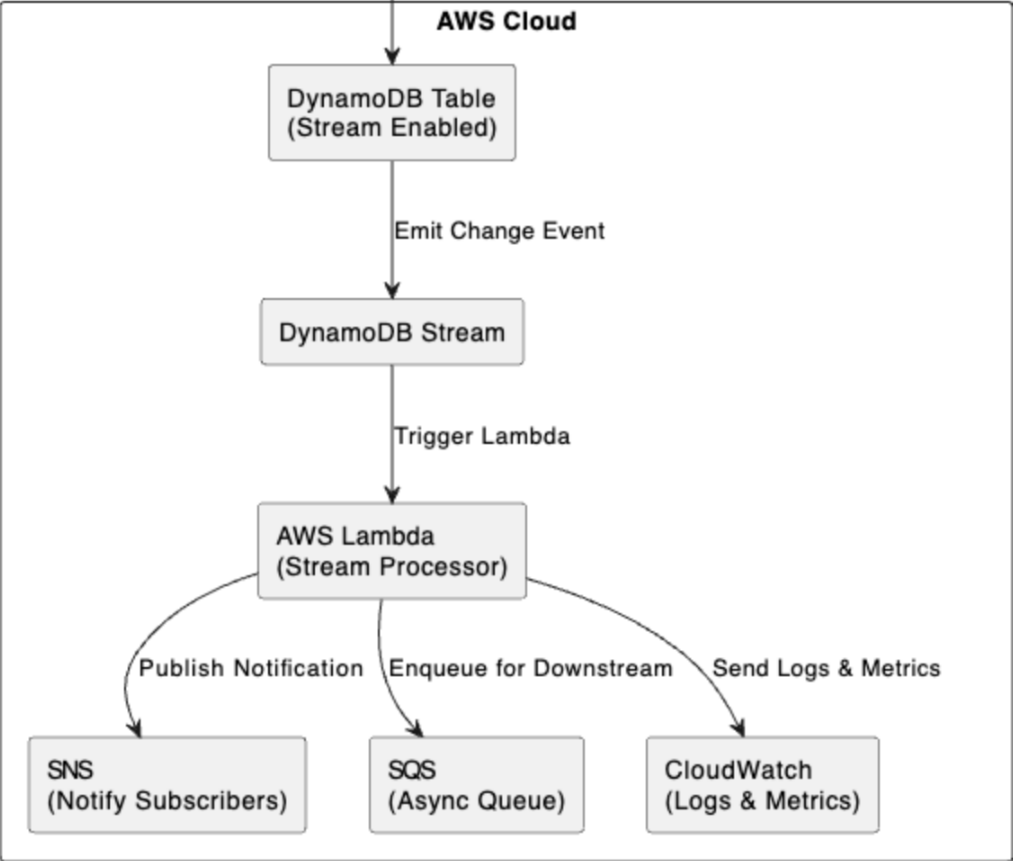
Discover how we optimized real-time financial monitoring, cutting data lag from 5 seconds to under 500ms using AWS DynamoDB Streams, Lambda, and OpenSearch.
Welcome to the Serverless world. One of the first things you’ll hear about is AWS Lambda - and you’ll continue to keep hearing about it! While architecture can be serverless without Lambdas involved, it’s very often the key component within a serverless application. In the first post of this 3-part AWS Lambda Handbook series, we run through what is AWS Lambda, dialling back to basics with the various terminology, how to create a Lambda function and how to run it.
One of the benefits of Serverless architectures is the possibility of scaling applications without worrying about load balancers and clusters of servers. While services like AWS Lambda hold their promises on this area, there are usually misconceptions about how they work.
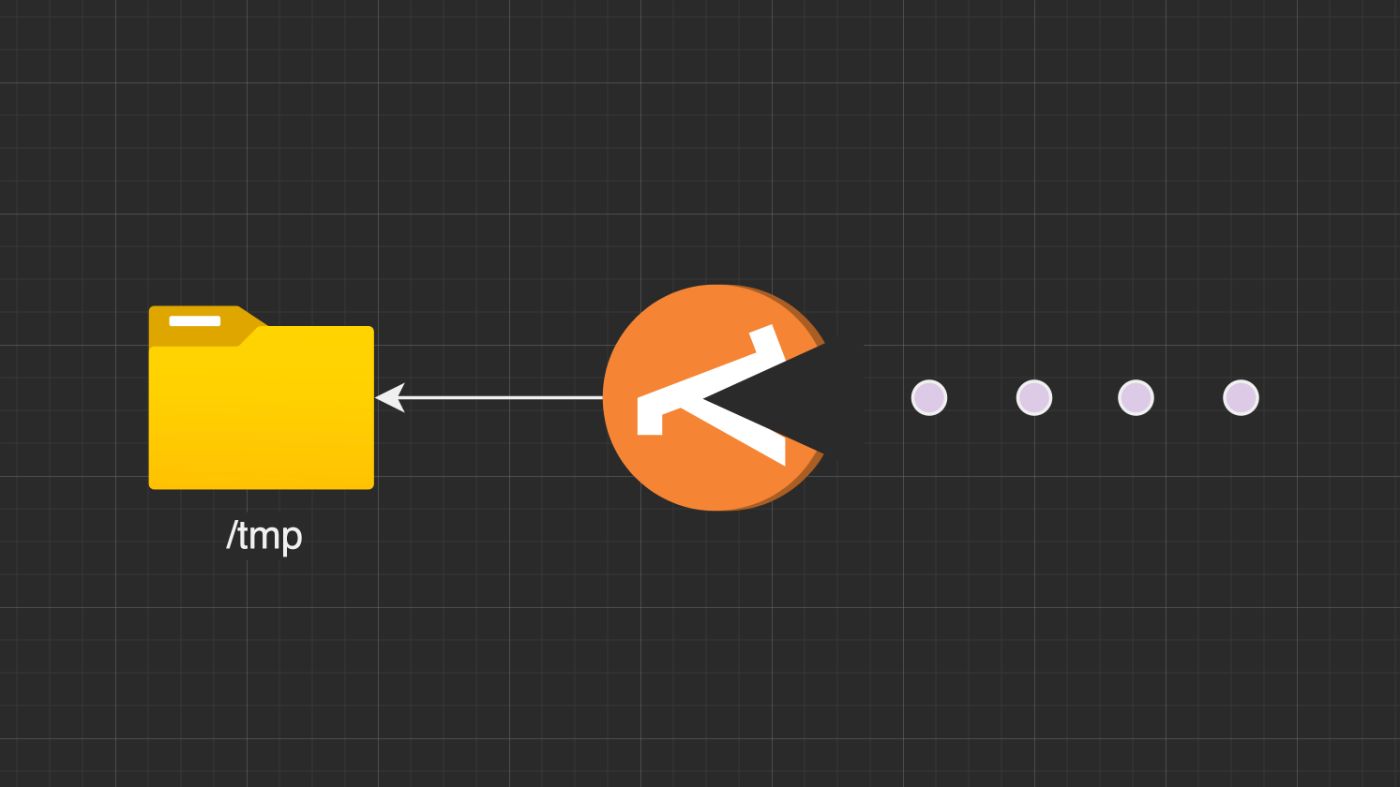
Amazon announced the general availability of AWS Lambda support for Amazon Elastic File System. Amazon EFS is a fully managed, elastic, shared file system and designed to be consumed by other AWS services.
In past years, innovation in cloud services has made it quite convenient to host static websites. Since they don't require servers, these sites are usually faster, more secure, and cheaper to host/maintain than their dynamic counterparts; making them perfect for something like your new landing page.
Working with AWS can be quite a complex task at times, due to the fact that well composed architectures and solid infrastructures might be troublesome to deploy and maintain in the long run. A main software development goal is to always optimize the development flow by making processes as simple as possible, from the programming language to each and every framework to be used in the project.
Explore the technical advantages of aws serverless architectures for notification systems. Learn about scalability, cost-efficiency, and security considerations
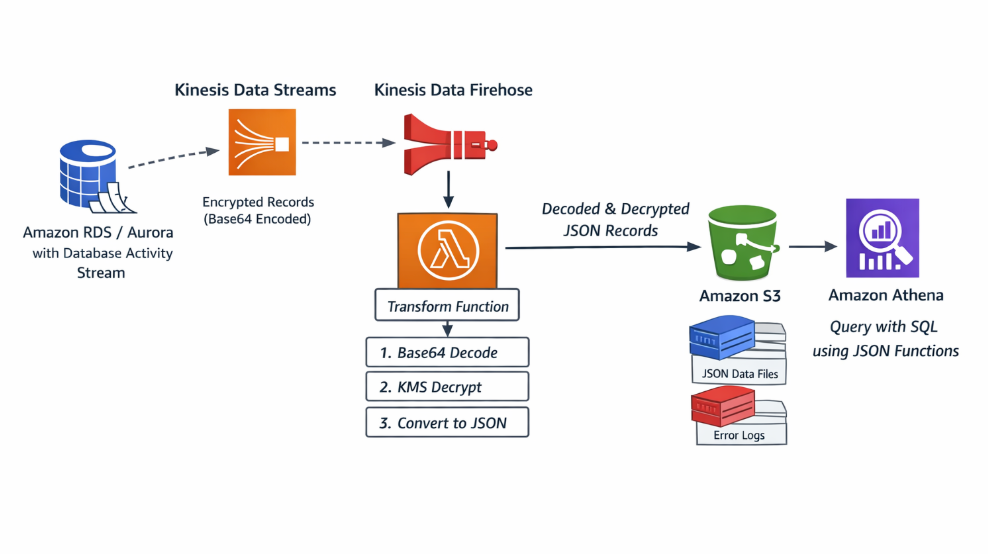
A database activity stream pipeline monitors database events in real time to detect threats, enforce compliance, and protect sensitive data in cloud environment
We will deploy a serverless infrastructure based on AWS Lambda for uploading images (and any other files) with private storage in an AWS S3-based bucket.
Since 2014 when AWS launched AWS Lambda and kickstarted the serverless movement, going serverless has grown exponentially for organizations of all sizes from one-man start-ups to huge listed global enterprises. While there are some challenges to this new architecture, the ways moving to serverless can transform a business often far outweigh these.
I am a big fan of leet code so when we decided to have a code challenge in our team I thought it wouldn’t be a bad idea to build one which should include pretty basic functionalities like:
As you probably already know, Step Functions is a serverless Workflow Service provided by Amazon Web Services (AWS). There’s a lot to discuss about this service, and you’ll find plenty of vital information in our AWS Step Functions: The Ultimate Guide as well as in our series of articles that’ll dive deep into various aspects regarding this AWS service.
Lambda Layer is a true gem in the Lambda function realm. In this article, you will know how to create and use Lambda Layers. As an example, we will create a sha
As a Serverless computing service, Lambda already saves hundreds of thousands of dollars for many companies out there. While traditional server-based infrastructures usually lead to overprovisioning and waste, the Serverless pay-per-use model enables cost-effective cloud spending.
The beginning of the year is the perfect time to clean up and optimize. This also applies to your AWS bill. I've composed practical tips on how to cut costs with small effort.
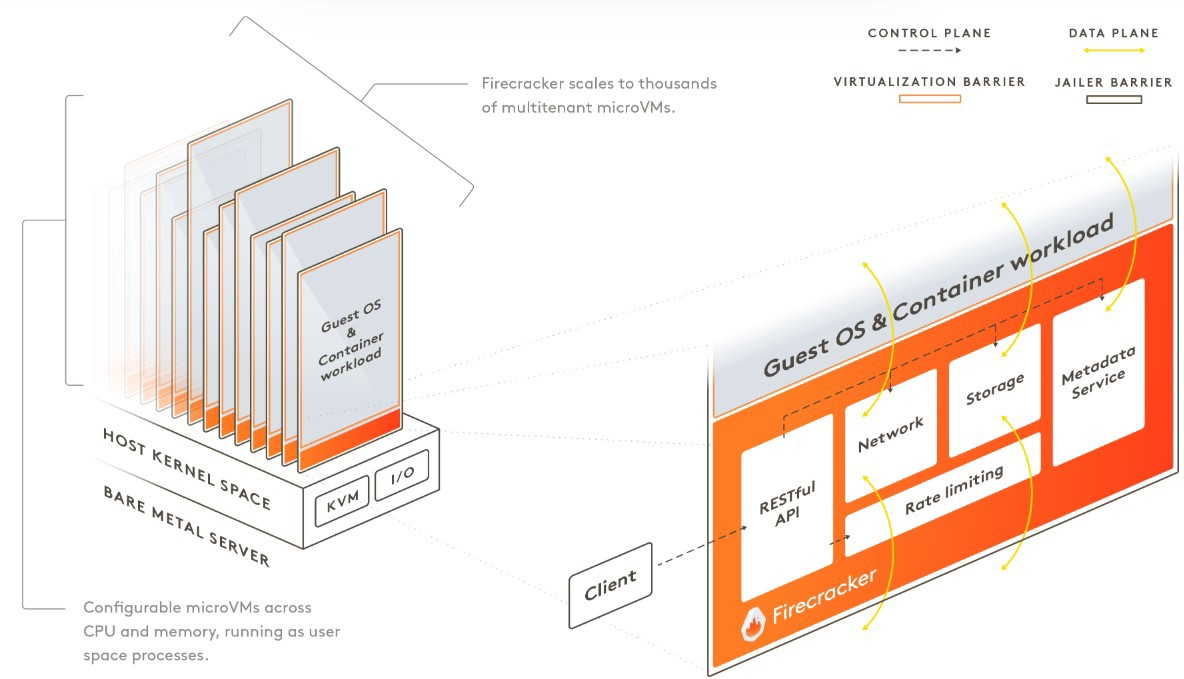
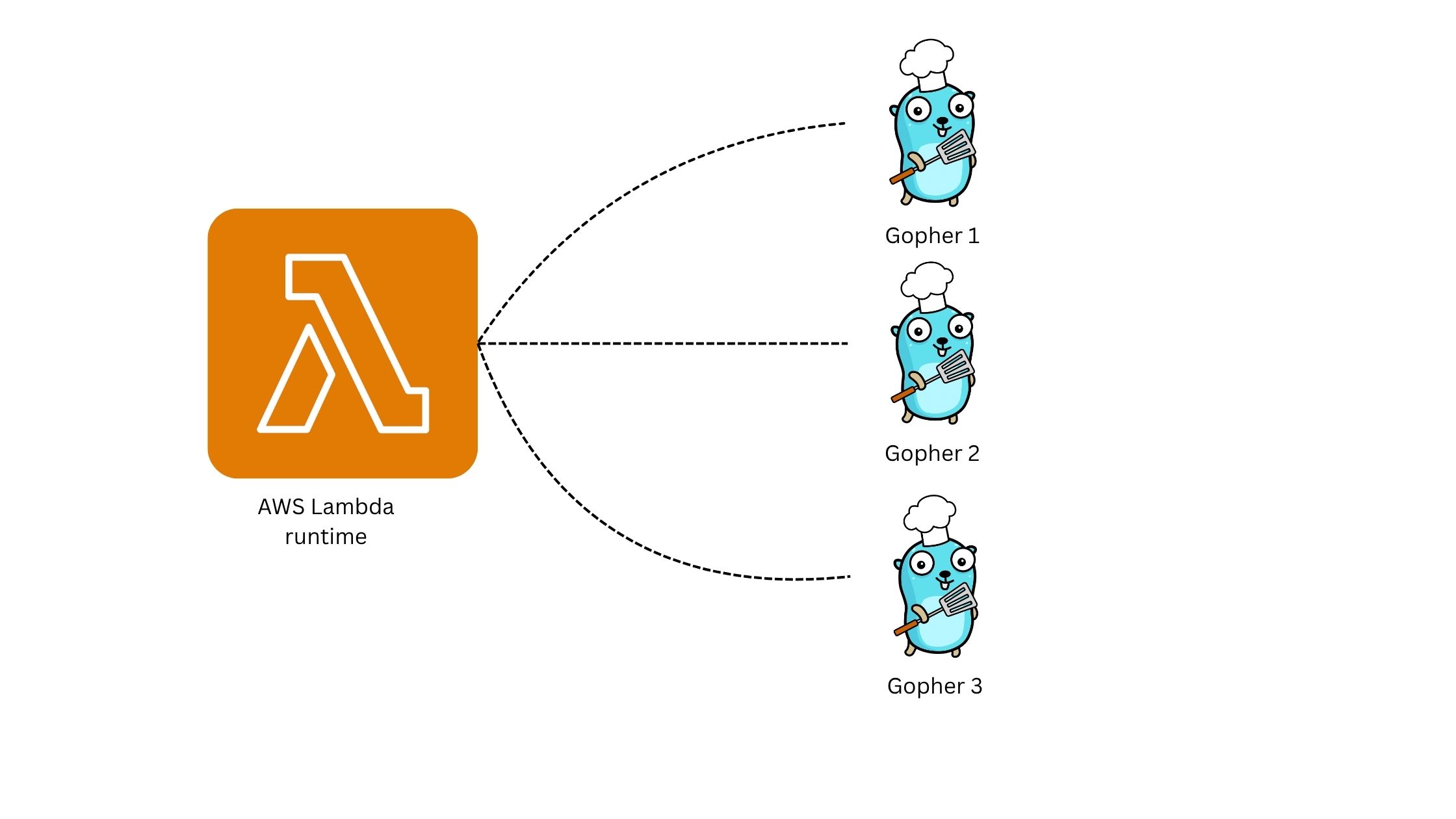
Firecracker is a Virtual Machine Monitor, written in Rust that Amazon Web Services use to power it’s Serverless Compute services — Lambda and Fargate. Firecracker makes use of Linux’s Kernel-based Virtual Machine virtualisation infrastructure to provide its products with MicroVMs.
This article explores keystroke dynamics in behavioral biometrics for user ID via machine learning. It focuses on key-press and release patterns for real-world
I have been using Lambda in production for about four years now personally, and three years professionally at Volta. Initially, I shipped Lambdas because it was easier than managing servers. At Volta, we now exclusively use server-less services because they are the smartest option for our workloads if we remember to support them correctly. This is a cheat sheet, a checklist of all the things you might want to remember when shipping something new to ensure it runs successfully.
I have seen cloud tech change a lot in my 10 years of experience. AWS and GCP were not the default choice a few years ago, and I have worked in companies that bought and installed physical servers. What a nightmare! And this is why trying out serverless was the natural next step for me. I think everyone should give it a shot, and I wanted to share my experience!
Automated Blog Promotion with ChatGPT: Learn how to promote your blog posts automatically with our AI-powered toolkit. Start promoting your blog posts today!
As builders of an MLOps platform, we often get asked whether serverless is the right compute architecture to deploy models. The cost savings touted by serverless seem extremely appealing for ML workloads as for other traditional workloads.
Serverless is a modern computing model that employs Function-as-a-service architecture and manages the backend and scaling automatically with low cost and high concurrency.
I have been working with a US client to build a first-of-its-kind app for managing medical consents. It falls under HIPAA compliance and it’s paramount that we do not allow unauthorized access to user data.
The AWS Lambda service allows us to easily deploy and run our own code, without worrying too much about the underlying infrastructure (when compared to non-serverless technologies). It essentially scales infinitely (with great power comes great responsibility), and can be connected with a bunch of other services, like API Gateway, S3, AppSync, DynamoDB, etc.
The popularity of hiring vendors for handling application backend has spiked tremendously over the last 5 years. On the one hand, startup owners go serverless to save infrastructure costs and pay for resources as they go
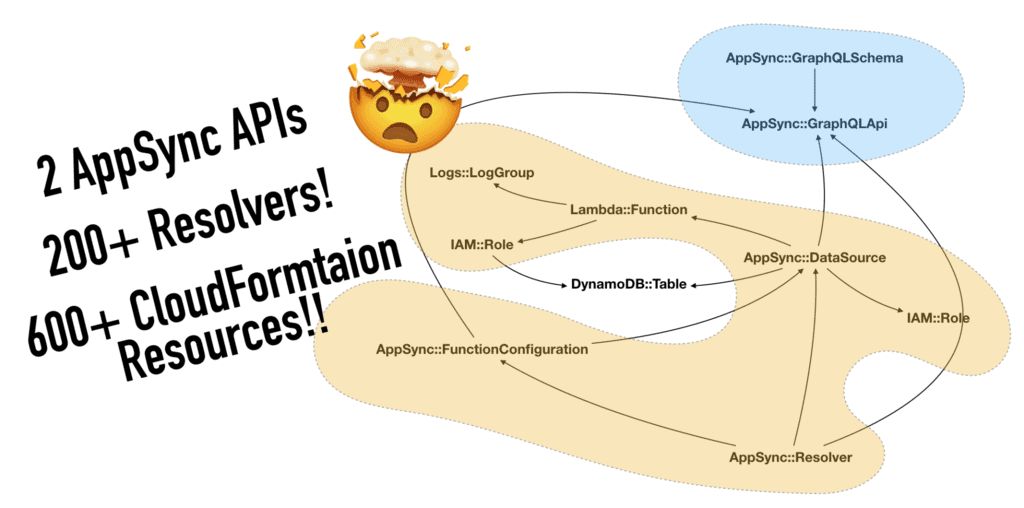
I have been working on a large AppSync project for a client these past few months. The initial version of the app was built in just a few weeks, but the client has commissioned additional features and the project has kept growing. At the time of writing, this project has over 200 AppSync resolvers and 600 CloudFormation resources.
Amazon Web Service (AWS) is an all-inclusive cloud computing marketplace by Amazon. It serves as an on-demand cloud computing platform that offers multifarious cloud computing models and deployment tools.
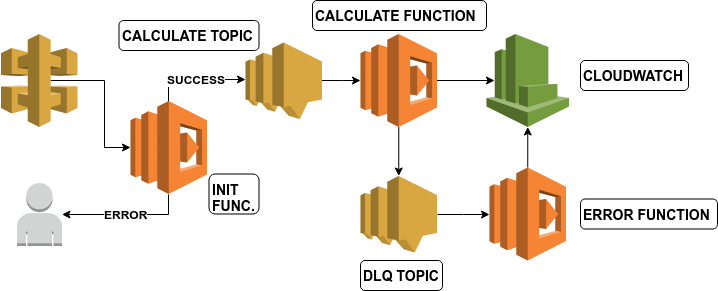
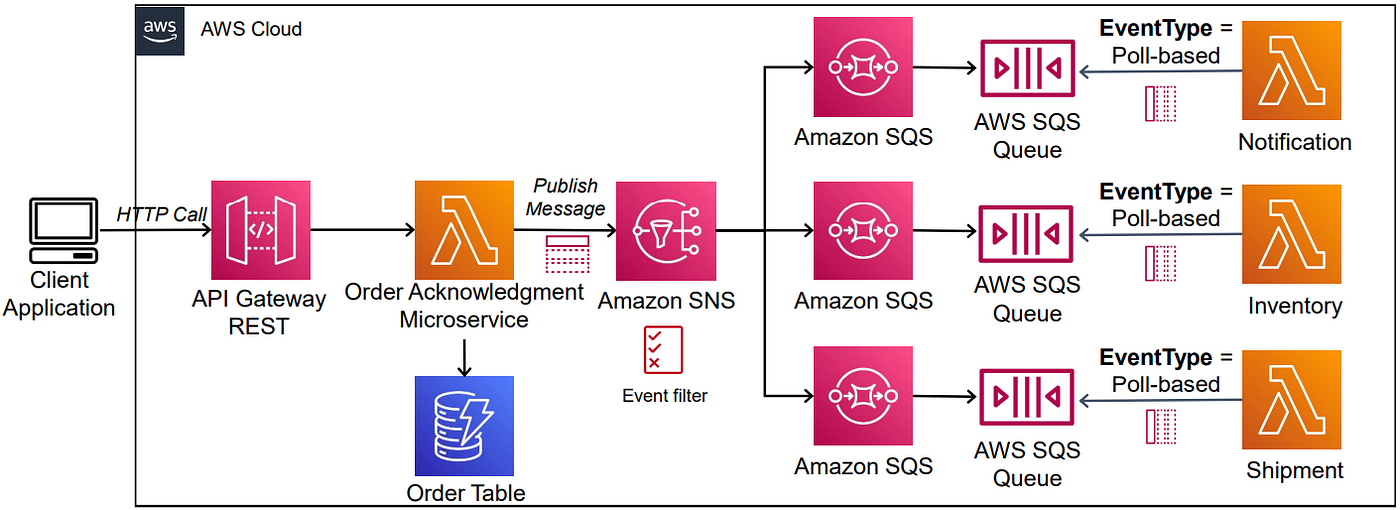
Being event-driven is a key characteristic of a serverless architecture. Often our Lambda functions would publish events to SNS topics or Kinesis streams instead of calling downstream APIs directly.
AWS Kinesis is a professional tool that comes with its share of complications. This article will discuss the most common issues and explain how to fix them.
As a startup founder of an HR SaaS called HR Partner, I found myself being ‘on call’ virtually 24/7. I had hundreds of customers in countries all over the world, and this resulted in my email and support centre notifications going off around the clock.
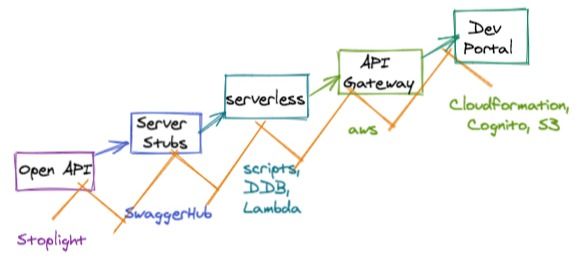
API Economy is taking off exponentially and its every business need to expose their digital services and assets in a secure way. I'll walkthrough in this article how one can take a API-first , design first approach to take into the account, the needs of API consumers and various steps that lead to creating a Developer Portal using all the tools that we've currently. Please note that these tools have alternatives in the market, but these are what got me to the goal post in the fastest way and case could differ for others.
You don't need to know what an attack looks like. You need to know what normal looks like. Here's how AWS Lambda and SageMaker make that possible in production.
AWS Lambda has a cool feature that can be both a blessing and a nightmare for a serverless application, depending on whether it’s properly handled by our code: the retry behavior.
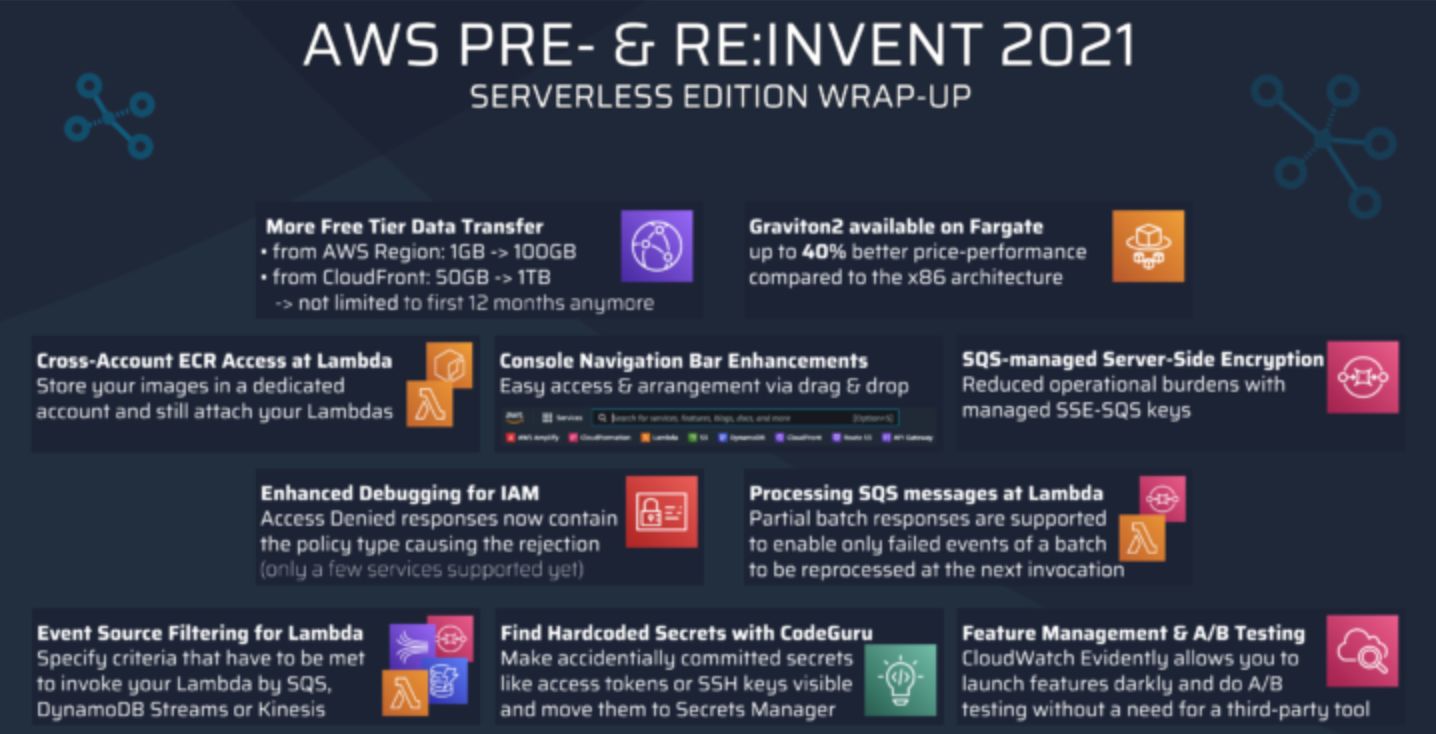
When first looking into serverless migration and its architecture, it can feel like you’re staring down an endless shopping aisle of critical serverless tools that all need to be put into your basket straight away. Some services seem to offer the same function, while others can feel wildly different - both, as a result, can instill some doubts as to what is really necessary for your business and serverless application.
While we know the many benefits of going serverless - reduced costs via pay-per-use pricing models, less operational burden/overhead, instant scalability, increased automation - the challenges are often not addressed as comprehensively. The understandable concerns over migrating can stop any architectural decisions and actions being made for fear of getting it wrong and not having the right resources. This article discusses the common concerns around going serverless and our advice to minimise their impact.
Technology touches almost every corner of the world economy. Even when it’s an indirect relation, in many cases tech is an essential, vital part of our societies. It just can’t fail without causing too much distress and losses. Not only financially, but especially to the human aspect.
One of the benefits of serverless is the pay-per-use pricing model you get from the platform. That is, if your code doesn’t run, you don’t pay for them!
Discovering the possibilities of Voice Technology, by exploring its installation process. Here is revealed the needed code and screens for a successful setup.
When you chose Amazon Web Services for your cloud platform, you made a good decision. AWS remains on top because it continually improves and enhances its service provisions for its users. But it is a complex environment and one which many businesses cannot navigate with expertise.
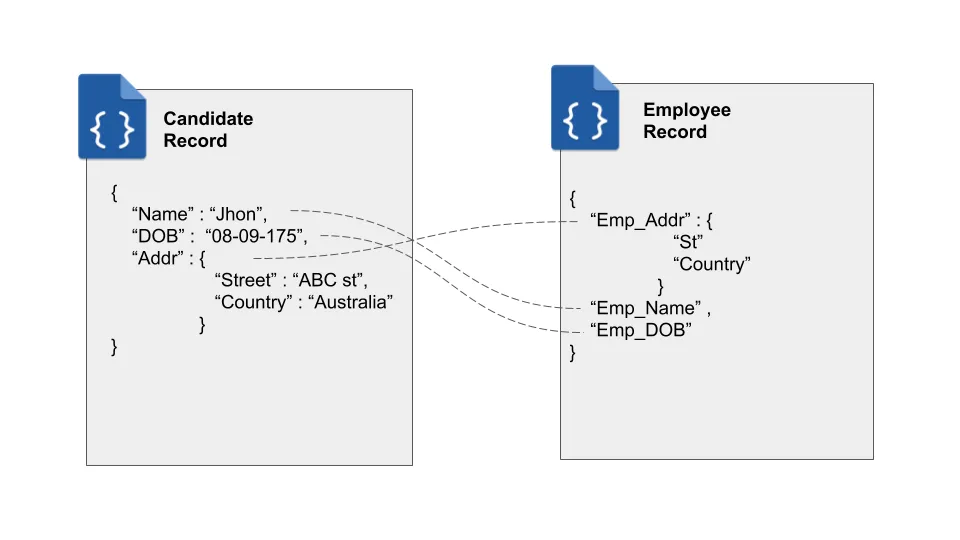
Data mapping is a key element in integration. Most of the prominent integration tools provide different capabilities for data mapping. In this article I thought of sharing on how data mapping can be achieved in Kumologica. Kumologica uses JSONata as the base for data mapping. JSONata is a Lightweight query and transformation language for JSON data. It supports complex queries expression which can be achieved with minimal syntax and has a location path semantics of Xpath 3.1.
Migrating to AWS is a very complex process, so finding the right partner to help guide the process is important. Below are some key points to consider...
A version of the AWS SDK is always bundled into the Lambda runtime for your language. So the conventional wisdom says you don’t need to include it in your deployment artefact.