You signed in with another tab or window. Reload to refresh your session.You signed out in another tab or window. Reload to refresh your session.You switched accounts on another tab or window. Reload to refresh your session.Dismiss alert
Let's learn about Caching via these 63 free blog posts. They are ordered by HackerNoon reader engagement data. Visit the /Learn or LearnRepo.com to find the most read blog posts about any technology.
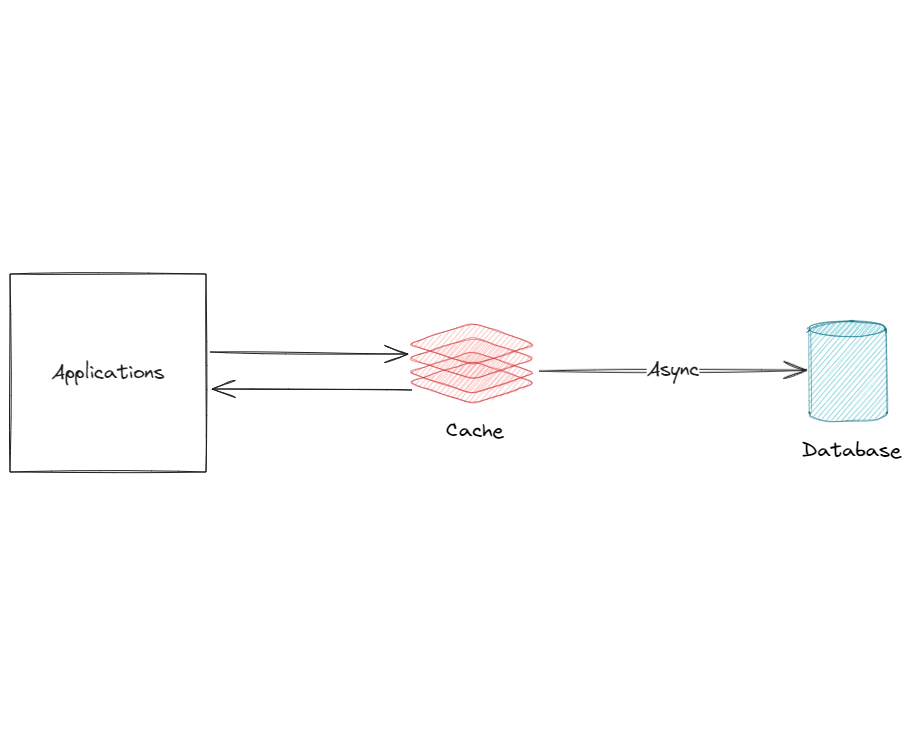
Caching is a technique of storing copies of frequently accessed data in a temporary storage area for faster retrieval. It matters significantly for improving performance, reducing latency, and decreasing the load on primary data sources in computing systems and web applications.
Cache API Calls in JavaScript by Memoizing Promises. Store promises in a map with unique key, if the same API is called with the same params, serve from cache.
Learn how to optimize performance in Fabric.js for smooth canvas interactions and rendering. Explore techniques like renderOnAddRemove, enlivenObjects, caching.
This tutorial extends the SSR explained on Server-side rendering (SSR) with Angular Universal page. This tutorial fixes the content flash occurs on SSR write after page loads due to content refresh caused by data received through network requests. If you are crazy about PageSpeed/Web Vitals score as much as me, this will help you to improve:
Caching images in React Native can be easy, even if you are using Expo's managed workflow. The problem many devs run into is that React Native only supports caching images on IOS out of the box.
In this article, we will discuss different options for sharing state and code between micro-frontends and highlight the benefits and drawbacks of each approach.
In this article, we are going to implement caching in a node js
application using Redis, but, before we delve into the implementation
details, let’s explore what caching is and how it can help the
performance of our application.
With this short guide you can add caching to your flutter app that requests an API or a web server and receives information that is required to be stored.
Memoization is an optimization technique that speeds up programs by caching the results of previous function calls. Python 3 makes it easy to memoize functions.
Let's learn about Caches, Caching Operations, Cache Eviction Policies,
Implementation of Cache Eviction Policies, Distributed Caching
and Caching In Python
Optimize your website for lightning-fast speed with caching. Reduce processing overhead and improve response time, and discover the power of caching today.
Learn how to batch Ethereum JSON-RPC calls and cache responses using web3.js, Redis, or in-memory methods to boost your dApp's performance and scalability.
Well we all are aware that a cache — pronounced CASH — is hardware or software that is used to store something temporarily in a computing environment and if you want to really know about in detail how it actually works you can go to through its definition here as this article assumes that the reader has fair understanding of the caching as a concept.
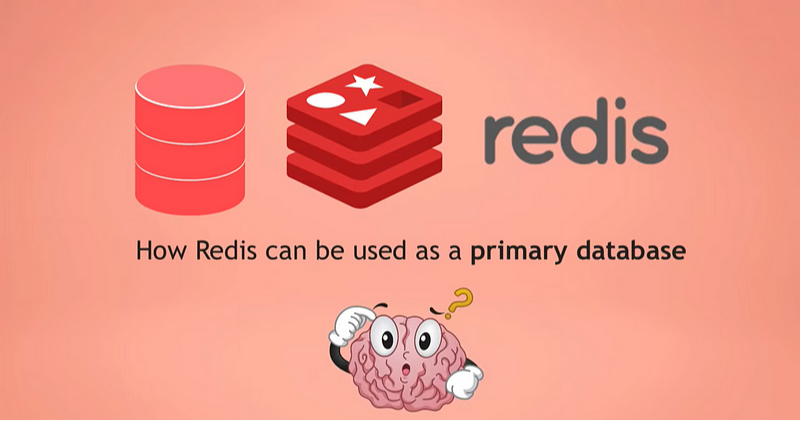
Redis can cache many types of data and actions. The key is to identify parts of your app where speed matters most — and where data doesn’t change every second.
Redis, short for Remote Dictionary Server, is a BSD-licensed, open-source in-memory key-value data structure store written in C language by Salvatore Sanfillipo and was first released on May 10, 2009. Depending on how it is configured, Redis can act like a database, a cache or a message broker. It’s important to note that Redis is a NoSQL database system. This implies that unlike SQL (Structured Query Language) driven database systems like MySQL, PostgreSQL, and Oracle, Redis does not store data in well-defined database schemas which constitute tables, rows, and columns. Instead, Redis stores data in data structures which makes it very flexible to use. In this blog, we outline the top Redis use cases by the different core data structure types.
Dive deep into the many layers of caching in modern systems from browser and CDN to app memory and database internals. Learn strategies, consistency models.
Learn about caching, database optimization, minimizing queries, using CDN, profiling & monitoring, and more. Boost your app's speed and efficiency today!
In this article, Thai Bui describes how Bazaarvoice leverages Alluxio as a caching tier on top of AWS S3 to maximize performance and minimize operating costs on running Big Data analytics on AWS EC2. The original article can be found on Alluxio's engineering blog.
Idempotency is an essential tool for preventing duplicate operations, improving API stability, and ensuring consistent behavior in unsafe HTTP methods.
Tiered Locality is a feature led by my colleague Andrew Audibert at Alluxio. This article dives into the details of how tiered locality helps provide optimized performance and lower costs. The original article was published on Alluxio’s engineering blog
This article describes how engineers in the Data Service Center (DSC) at Tencent PCG (Platform and Content Business Group) leverages Alluxio to optimize the analytics performance and minimize the operating costs in building Tencent Beacon Growing, a real-time data analytics platform.
This article provides a detailed explanation of how to use the memo feature in React applications, including an exploration of how it works behind the scenes.
This article introduces Structured Data Management (Developer Preview) available in the latest Alluxio 2.1.0 release, a new effort to provide further benefits to SQL and structured data workloads using Alluxio. The original concept was discussed on Alluxio’s engineering blog. This article is part one of the two articles on the Structured Data Management feature my team worked on.
In this blog, guest writer Derek Tan, Executive Director of Infra & Simulation at WeRide, describes how engineers leverage Alluxio as a hybrid cloud data gateway for applications on-premises to access public cloud storage like AWS S3.
In the previous article, I described the concept and design of the Structured Data Service in the Alluxio 2.1.0 release. This article will go through an example to demonstrate how it helps SQL and structured data workloads.