You signed in with another tab or window. Reload to refresh your session.You signed out in another tab or window. Reload to refresh your session.You switched accounts on another tab or window. Reload to refresh your session.Dismiss alert
Let's learn about Continuous Integration via these 156 free blog posts. They are ordered by HackerNoon reader engagement data. Visit the /Learn or LearnRepo.com to find the most read blog posts about any technology.
A vital process in software development and delivery, where code changes from multiple contributors on a single software project are continuously integrated
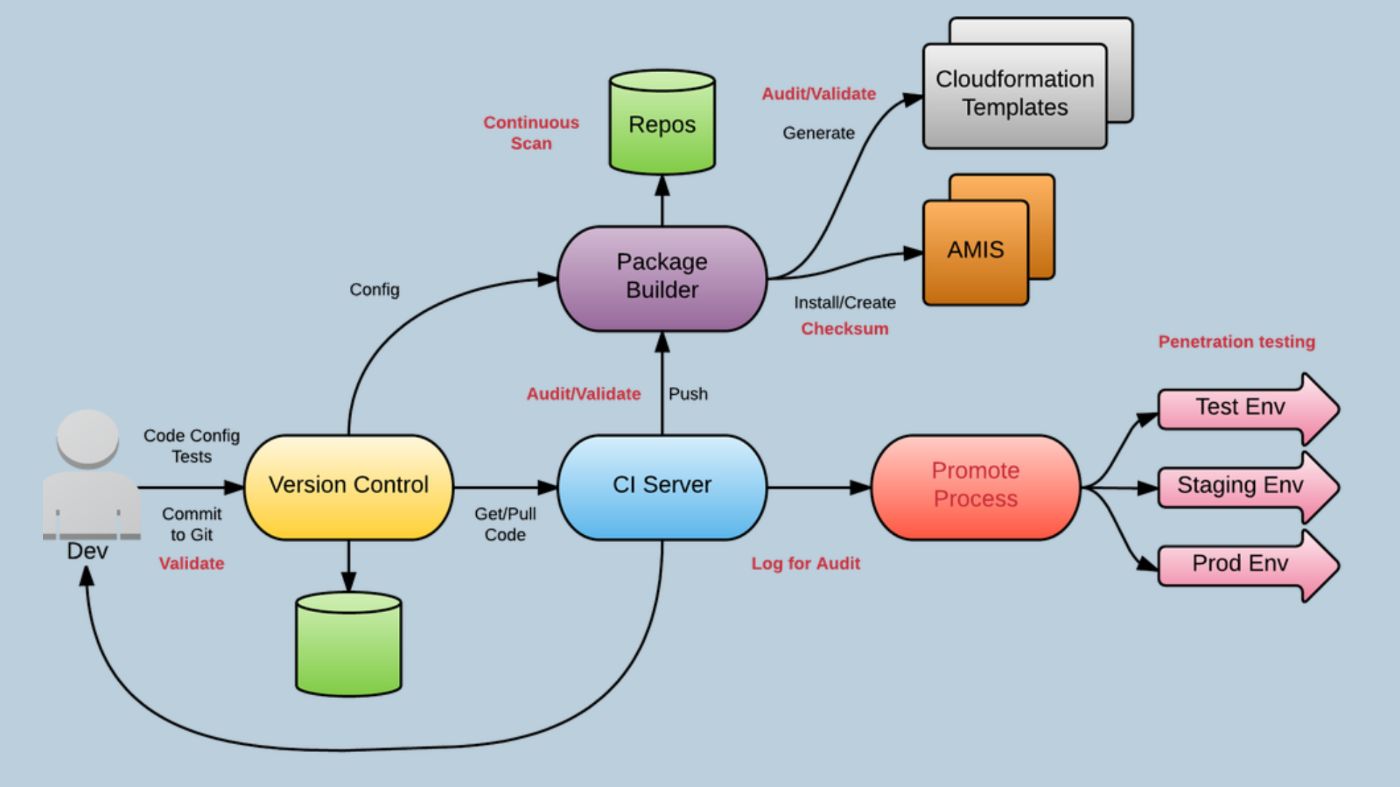
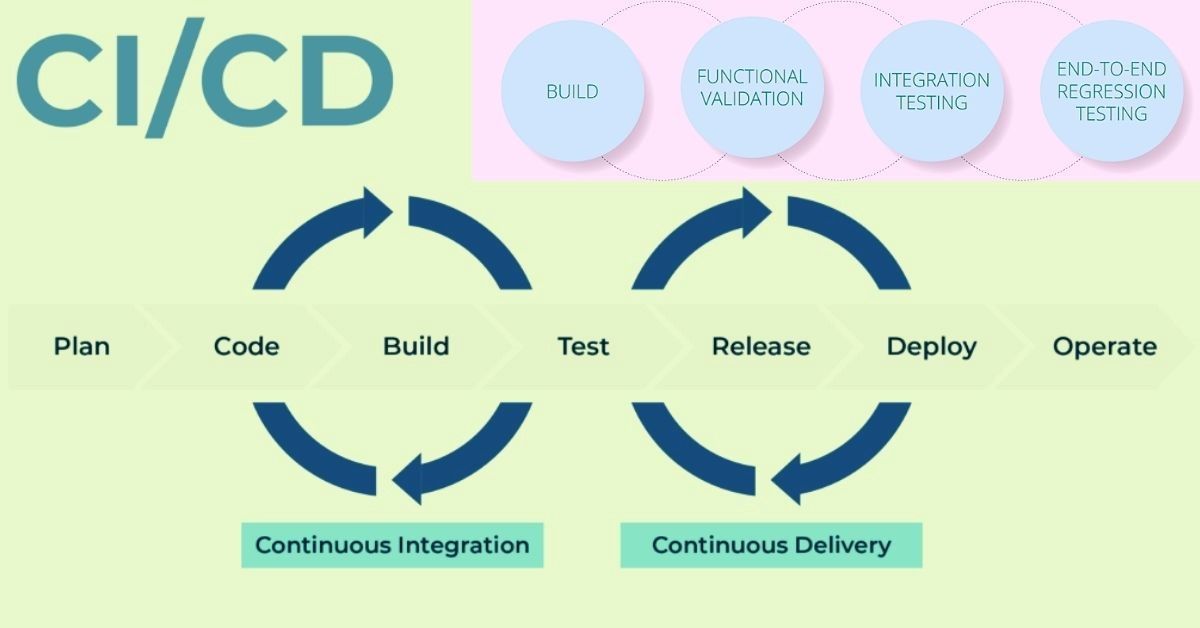
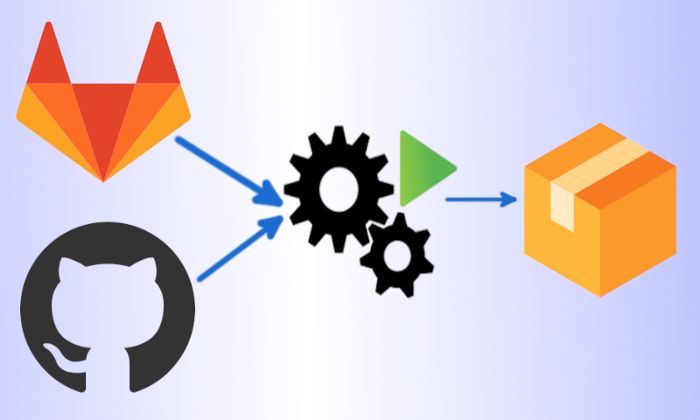
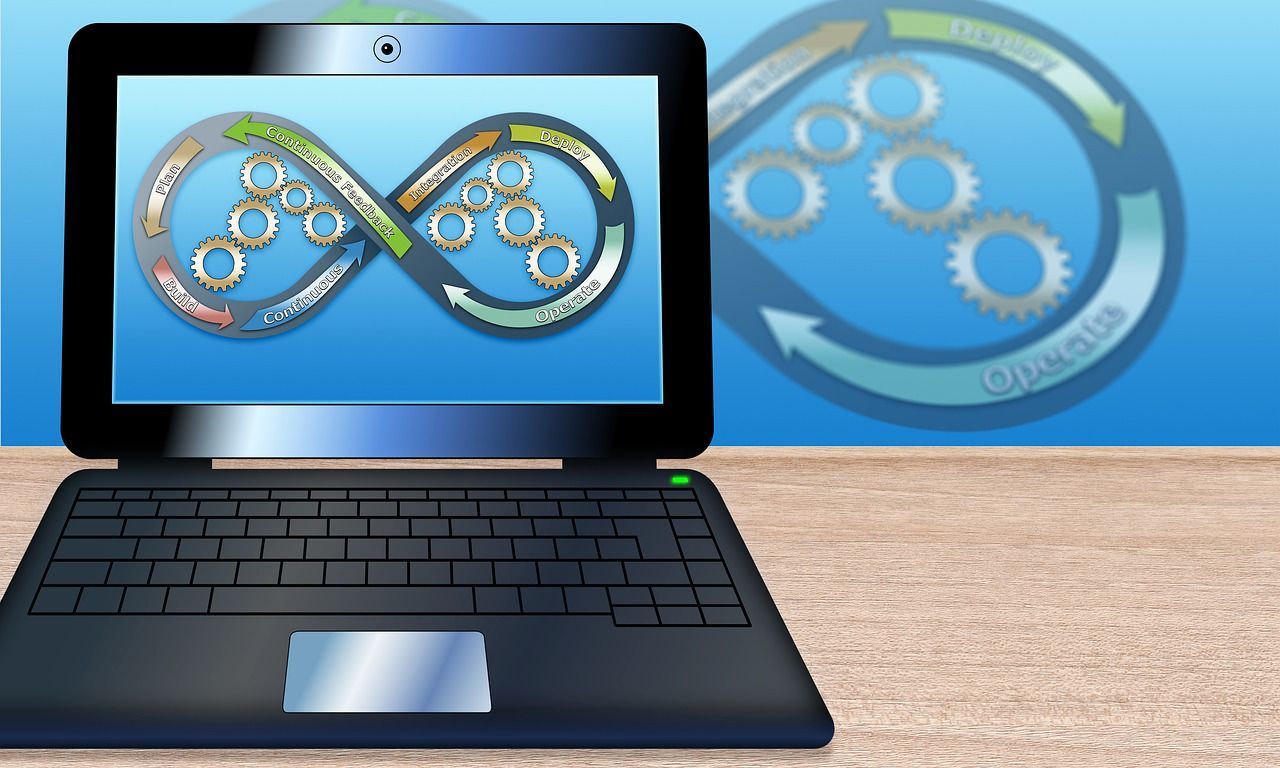
Continuous Integration (CI) is a software development practice that is based on a frequent integration of the code into a shared repository. Each check-in is then verified by an automated build.
Developers often fear database changes because a mistake by anyone on your team can lead to a major outage and even data loss. The stakes are higher when changes are not backwards compatible, cannot be rolled back, or impact system performance. This can cause a lack of confidence and slow your team velocity. As a result, database changes are a common failure point in agile and DevOps.
So you want to start testing your code? Good choice. Testing is a great way to make sure nothing breaks in deployment, and Jenkins makes it easy to automate this process.
We will configure a CI/CD pipeline with GitLab CI/CD and execute Selenium testing over it through LambdaTest, an online Selenium Grid of 2000+ real browsers.
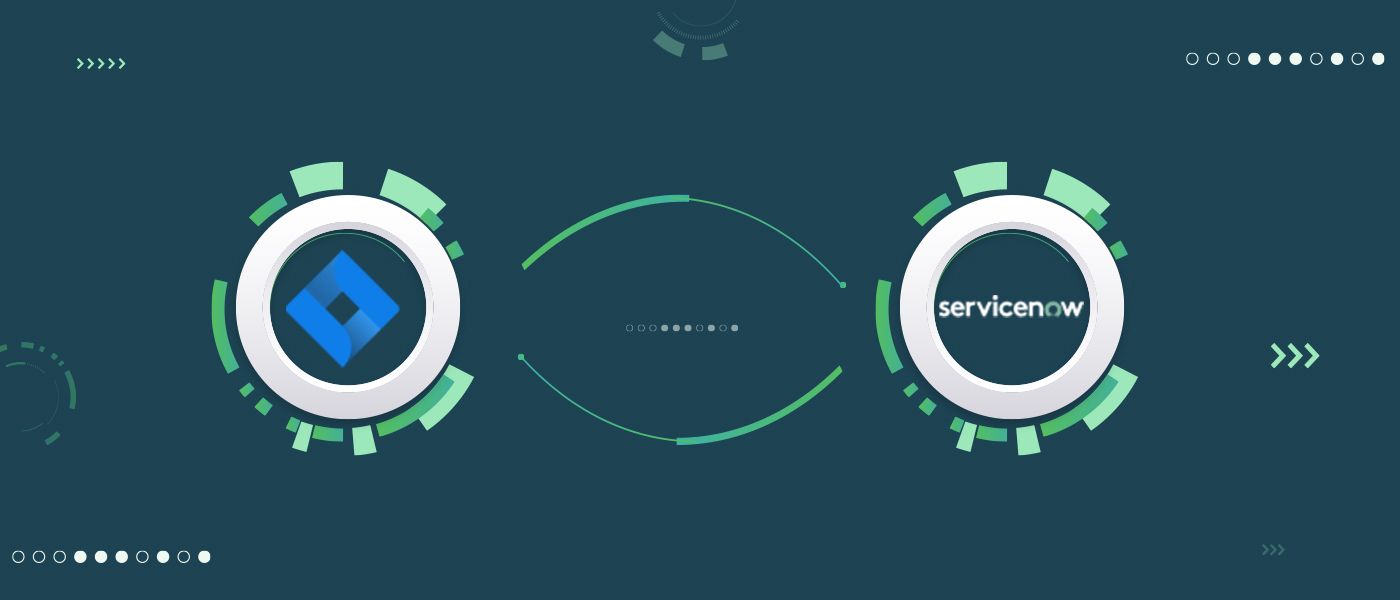
Integrate ServiceNow and Azure DevOps in a few clicks. Utilize smart automation to improve cross-team communication and resolve critical issues much faster.
Finding the match in the world of DevOps can be quite challenging. It's like navigating the dating scene, where you need to seek out someone who shares your ...
Many development teams skip having a staging environment for their applications. They often submit a PR, potentially run tests in a CI system, merge to master, and then deploy to production. This is a risky pipeline because there is no true integration environment or integration testing being performed. What’s worse is that if there is an issue they may engage in “cowboy coding” to try to resolve the issue on their live production environment.
The built-in retry mechanisms for locators and matchers in Playwright are well-known, but are you acquainted with the retry and polling APIs? Let's delve into P
The reality is that implementing a CI/CD pipeline is far more complex than using the theory. his article explains how to build a minimum viable CI pipeline.
Microservices are completely disrupting the way we build applications nowadays. This is one of the hottest trends when it comes to software architecture. More and more developers are adopting it.
Testing is a pain in general. Some don't see the point. Some see it but think of it as an extra step slowing them down. Sometimes tests are there but very long to run or unstable. In this article you'll see how you can engineer tests for yourself with Docker.
How to optimize your CI/CD pipeline for maximum efficiency: A guide for developers and DevOps engineers. Learn to choose the right tools, streamline your work.
Jenkins down? Pipelines broken? Hackers making off with your data? It often stems from one fatal flaw. While Jenkins has been both loved and hated for being DevOps duct tape, every user knows there are plenty of issues to deal with. Over the past three years, as part of my work at Codefresh I’ve been helping teams migrate from Jenkins and I’ve seen all of these issues over and over again. The biggest issue may surprise you because it creates a cascade effect.
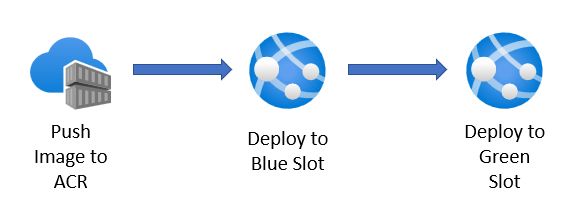
Using Deployment slots, we can perform Blue/Green deployments in Azure App Service to achieve zero-downtime deployments for our containerized workloads.
Create a simple server with Node.js and Express, write API tests using Kong Insomnia, and then run these tests in our CI pipeline with Inso and GitHub Actions.
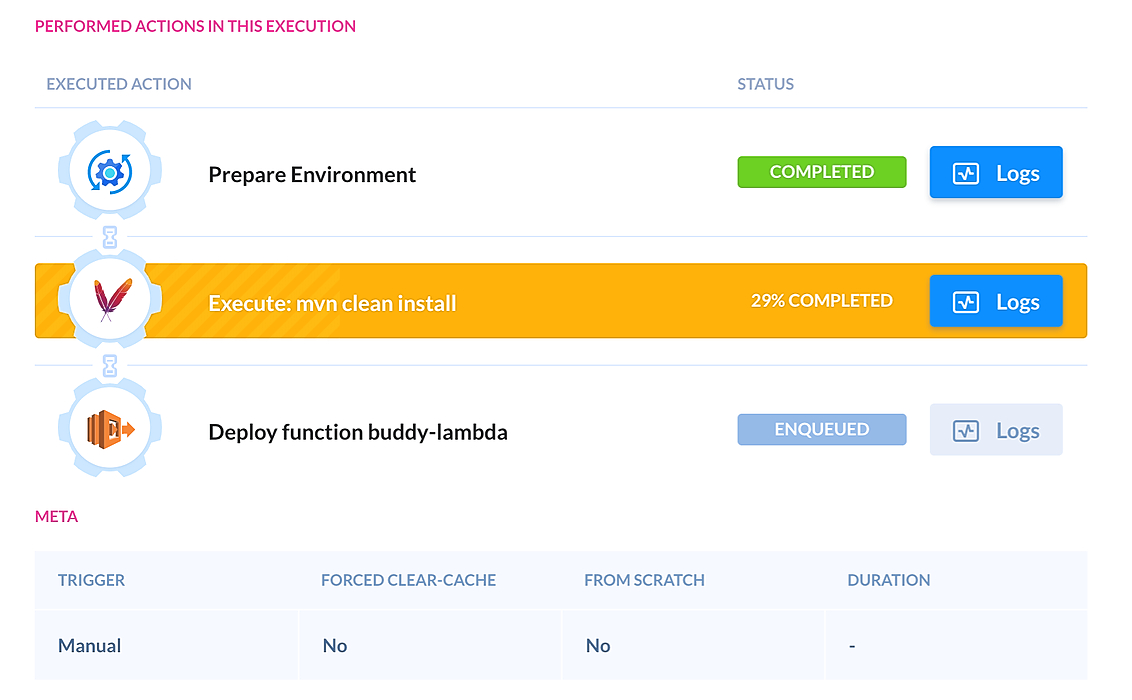
Buddy and Jenkins find themselves on completely opposite ends of the CI/CD spectrum. So which one should you go for? It certainly is a question of context. There are some clear technical differences but how they relate to actual value is circumstantial and should be taken on a case by case basis. As such, this comparison will be broken down into two sections.
I have been using Azure Devops for a while. Like most of the cloud products out there this is one which gets constant refresh. My plan is to document the steps for building, testing and deploying an app to Azure Kubernetes Service using Azure Devops. So let's start.
Kubernetes is now the de-facto standard for container orchestration. With more and more organizations adopting Kubernetes, it is essential that we get our fundamental ops-infra in place before any migration. This post will focus on pushing out new releases of the application to our Kubernetes cluster i.e. Continuous Delivery.
Recently, we started a new project and it decided it was a good time to try GitHub’s newish CI/CD tools which became generally available in November last year.
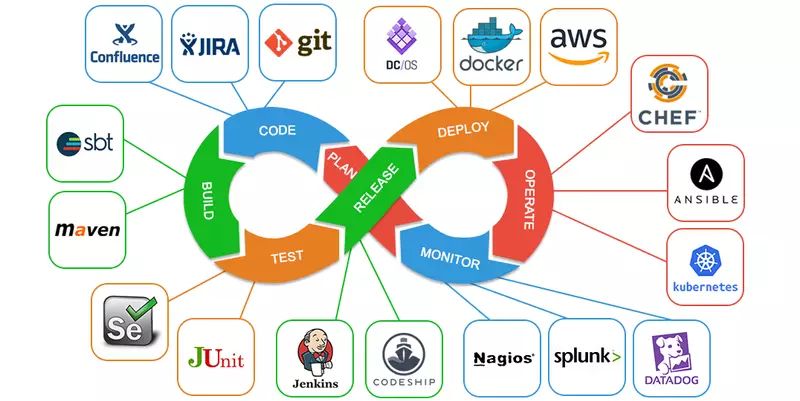
Many engineering teams are making the switch to a DevOps culture. This has a lot to do with the way the software development cycle has changed over the years. It used to take months to implement a new feature, get it through testing, fix any issues, and finally get it to production.
Everyone wants to be more productive without burning out. So, how do you get more done without working more hours? And how do you help the rest of your team improve without taking on the role of taskmaster? The answer: use effective tools.
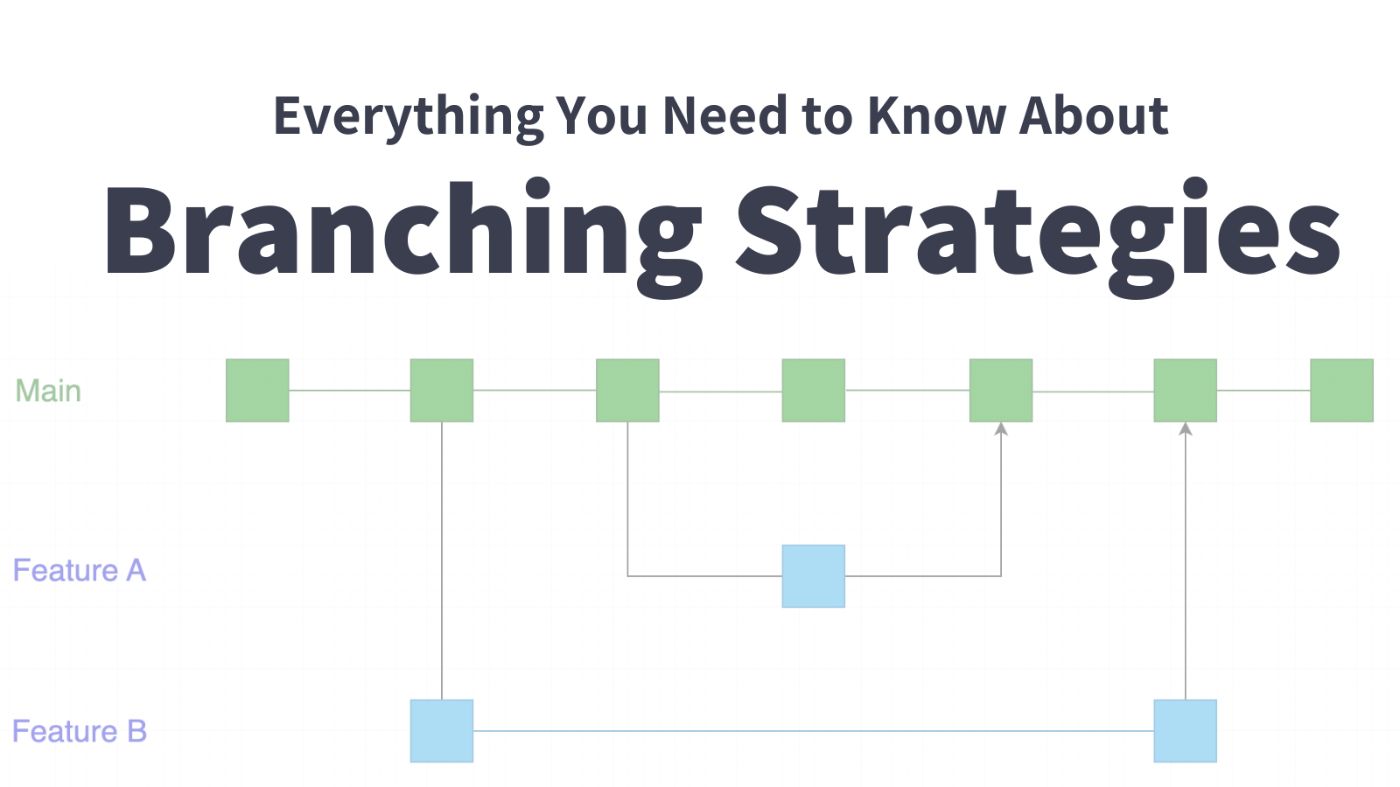
Feature branches aren't the only possible Git strategy, and this article will cover an alternative way to manage new features without merge conflicts issues
There is plenty of content out there describing what Continuous Integration, Continuous Delivery and Continuous Deployment are. But what are these processes for in the first place?
We think of bugs as being in code but that’s just the end of the story. Bugs are a human problem. You fix one bug in code but you prevent future bugs by helping humans to work better.
A great deal has already been written about readiness and liveness checks and I don’t intend to cover that ground again. Rather I want to cover, very specifically, their use in a large microservices architecture.
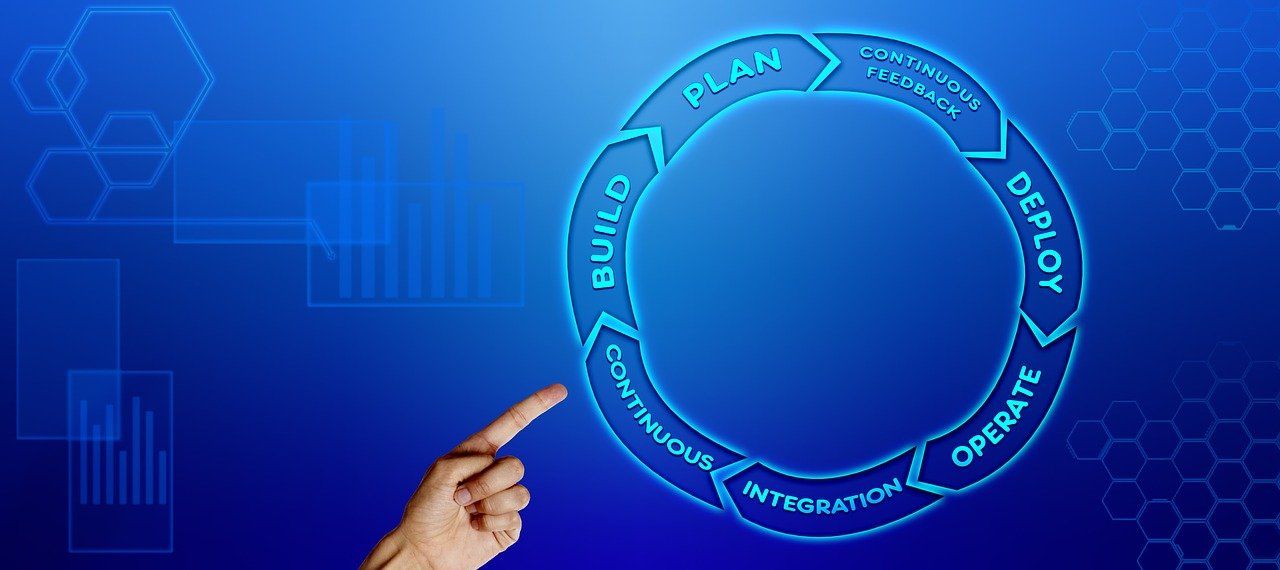
Continuous Integration & Continuous Delivery in the development process. How the CI/CD pipeline helps create products and implement new features better and fast
Docker is a container technology that enables developers to run entire applications as a unit. It offers all the benefits of virtual machines, without the high overhead:
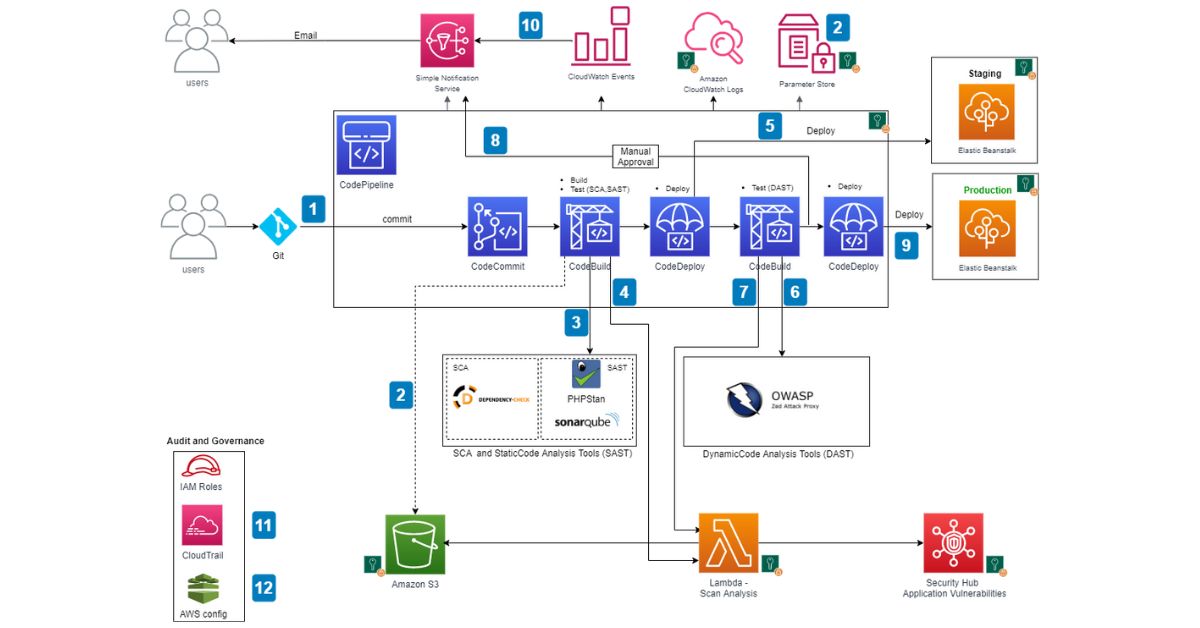
Are you looking to transform your software development process? If yes, this blog post provides an introduces to orchestrating the CI-CD pipeline with AWS.
A quintessential piece for anyone working with distributed systems is the Fallacies of Distributed Computing by L Peter Deutsch. Even when working with modern platforms such as Kubernetes, the assertions made in the Fallacies of Distributed Computing prove to be very true around latency, bandwidth and system administration.
Developers tend to go for getting things working, ending up with a working program, lacking the quality you would like to see. In this article I will explain how to get quality code as well.
If you are familiar with Docker, Terraform, and the CI platforms (eg: Jenkins, CircleCI, Codeship), you already know the power of Declarative DevOps. It can make development easier by being repeatable, predictable, and fast. Supporting technologies both hide complexities and offer important reuse by supporting simple structured syntax in an easy to create and read file. Each technology has codified much of its domain allowing developers to author and instrument with nothing more than a text editor.
The story unfolds with a common challenge: encountering errors exclusively in the continuous integration environment, distinct from the local development setup
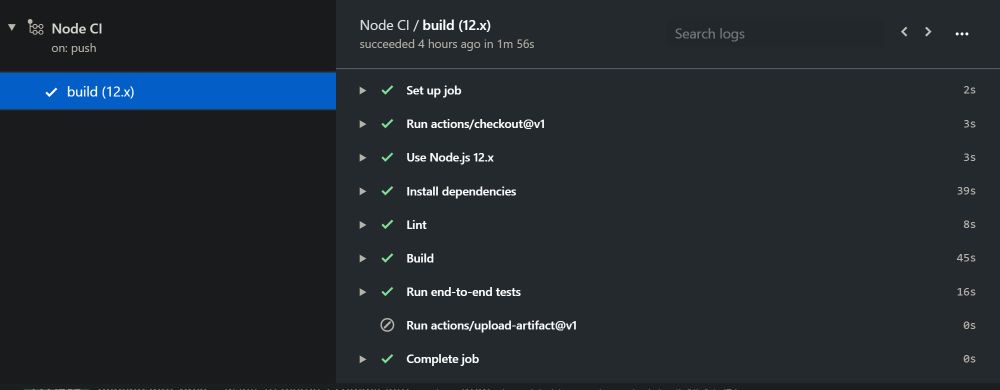
GitHub Actions is one of the most powerful tools that you can use if you are storing our code on this service repository. The idea is simple, you can design a complex workflow using automated tasks (called actions) in order to be activated and run when a commit is done in your repository.
Learn the basics of CI/CD and enhance the security of your pipelines with this comprehensive guide. Discover the challenges, best practices, and strategies.
Lately I’ve added continuous integration to my blog using puppeteer for end to end testing. My main goal was to allow automatic dependency update using Dependabot.
At the beginning of developing and building a new application or product, before writing any business logic, it's necessary to make some difficult decisions. These decisions can include which cloud hosting platform to use, which continuous integration (CI) tool to use, and various development configuration choices. These decisions can dictate the speed and success of your engineering efforts. Therefore, choosing the right CI tool can make or break the velocity and quality of a team's code production.
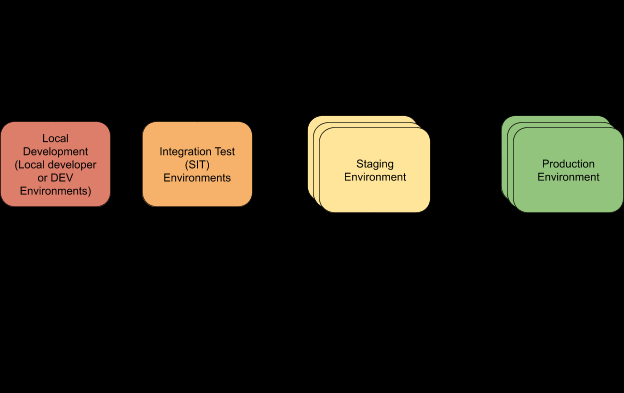
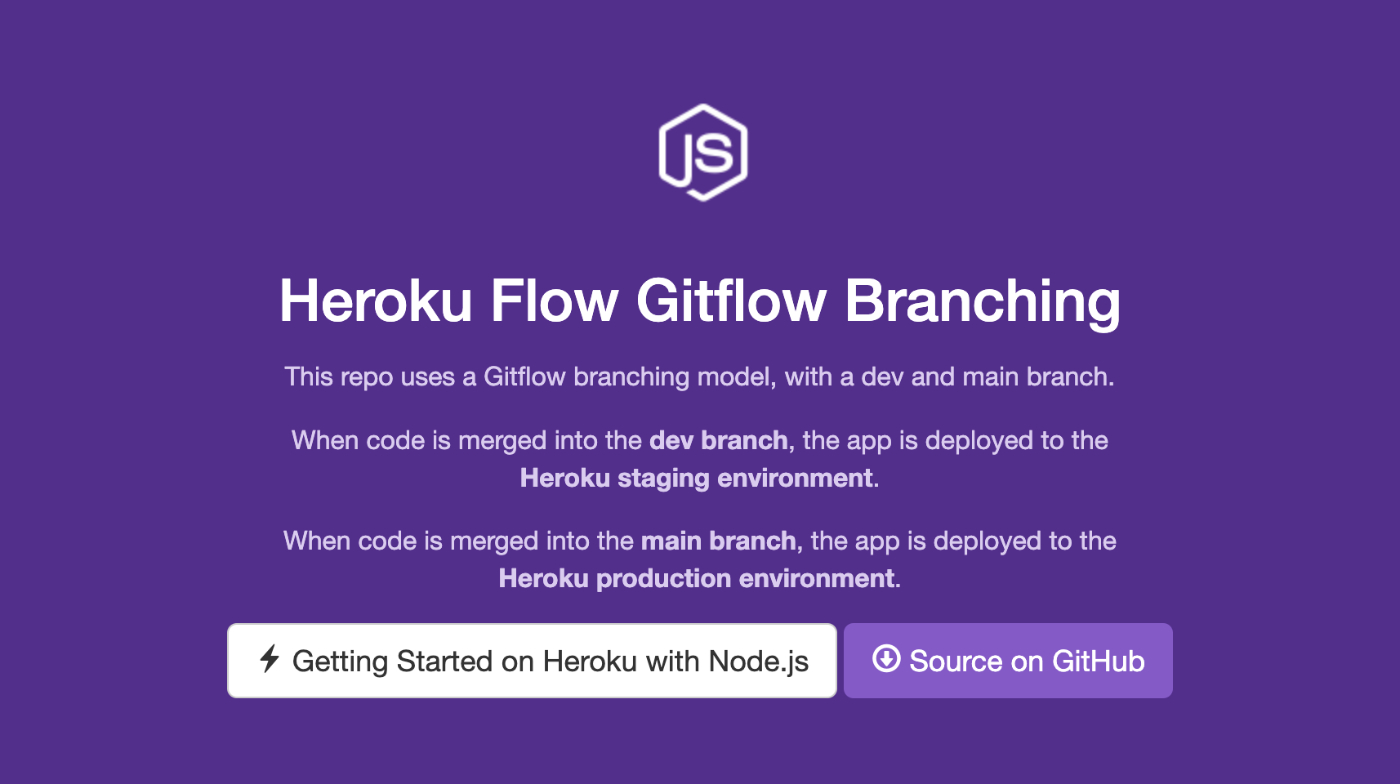
In most DevOps settings you’ll find that there are multiple environments in the pipeline. You might have conditions that change the environment based on which branch was merged or when a branch is tagged for release. There are a number of reasons you want to have more than just a production environment, the biggest reason being testing.
The blog provides information on the build & deploy tools that are centred around microservices application delivery and are being used in the industry today.
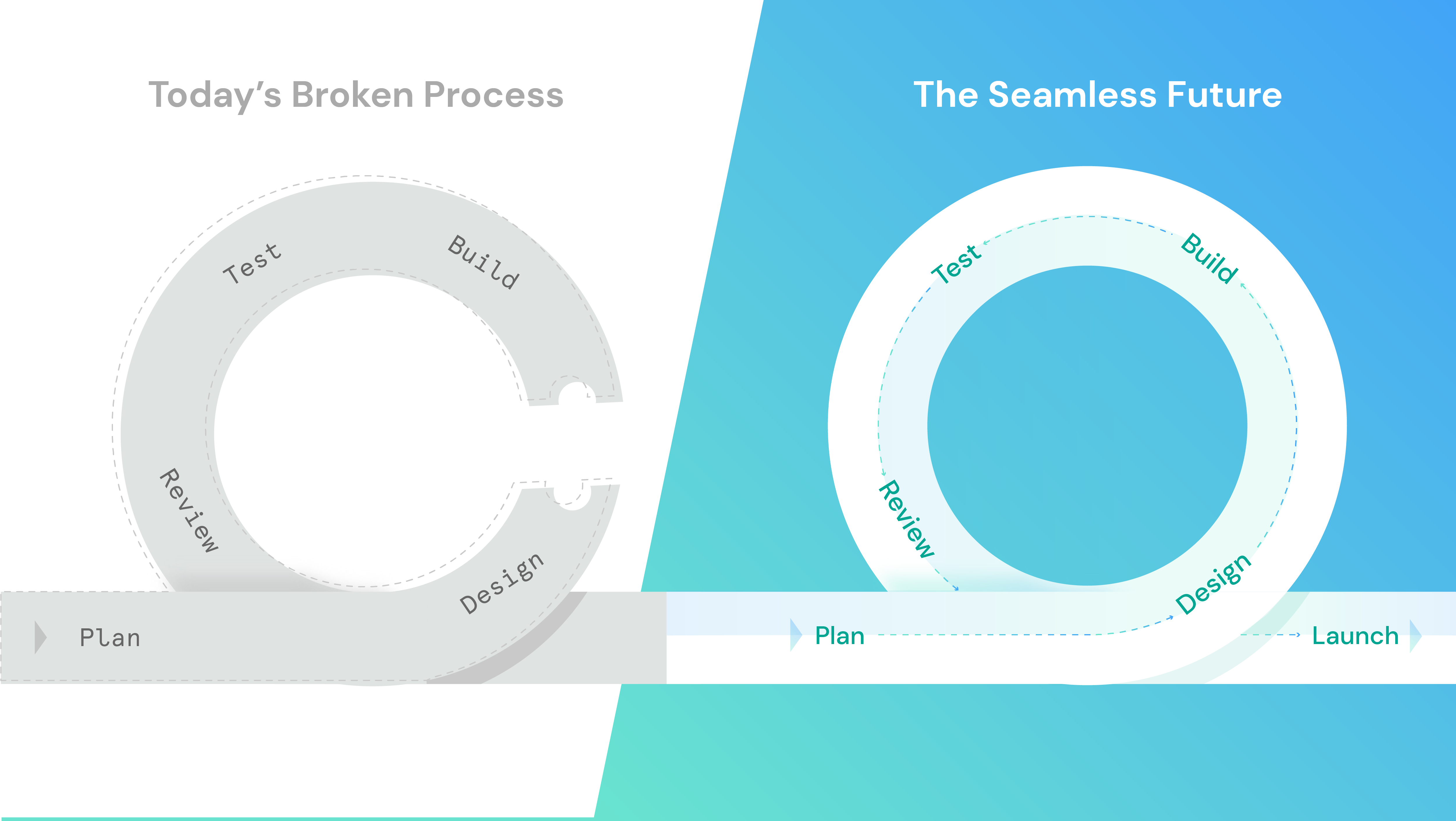
The interaction among many tools in the design & development space all point to a new emerging category: “Continuous Design / Continuous Integration" or "CD/CI"
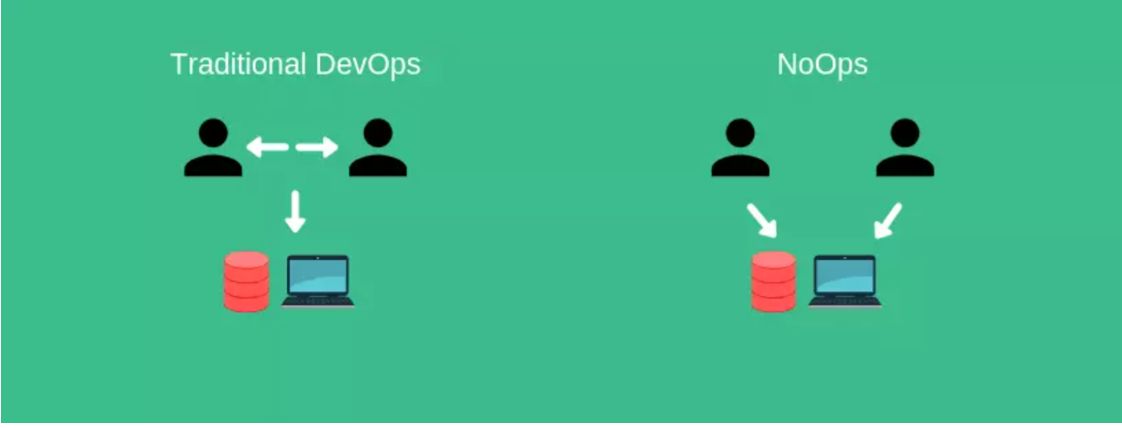
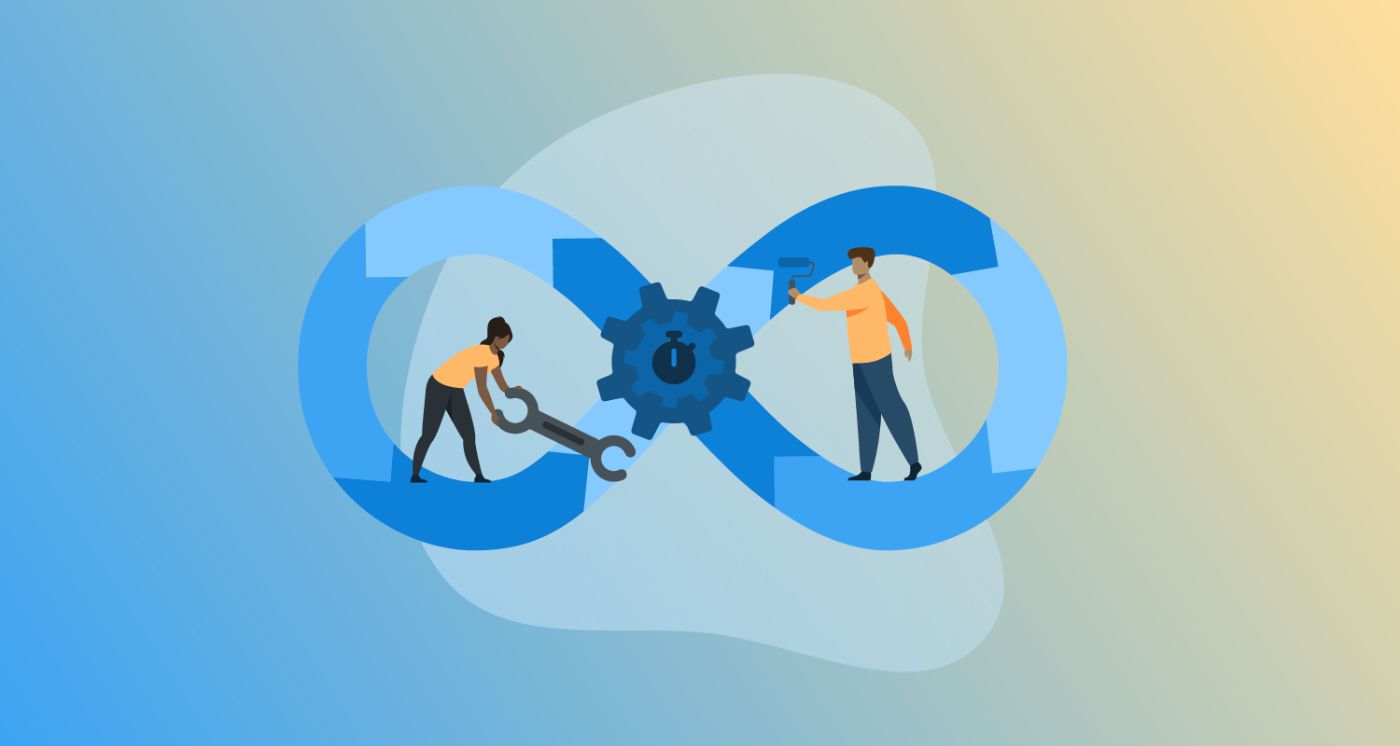
There are plenty of DevOps myths circulating the developers’ community. This is no surprise, considering how much excitement the DevOps concept has brought over the recent years.
In this world of cross-functional teams and microservice architecture, DevOps skills become increasingly important, and that starts with understanding CI/CD
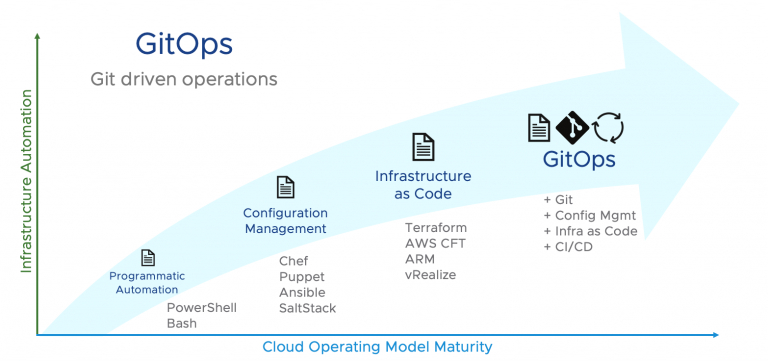
This GitOps guide discusses continuous integration vs continuous delivery, what is GitOps, 5 best GitOps practices, ArgoCD vs Flux2, continuous integration, etc
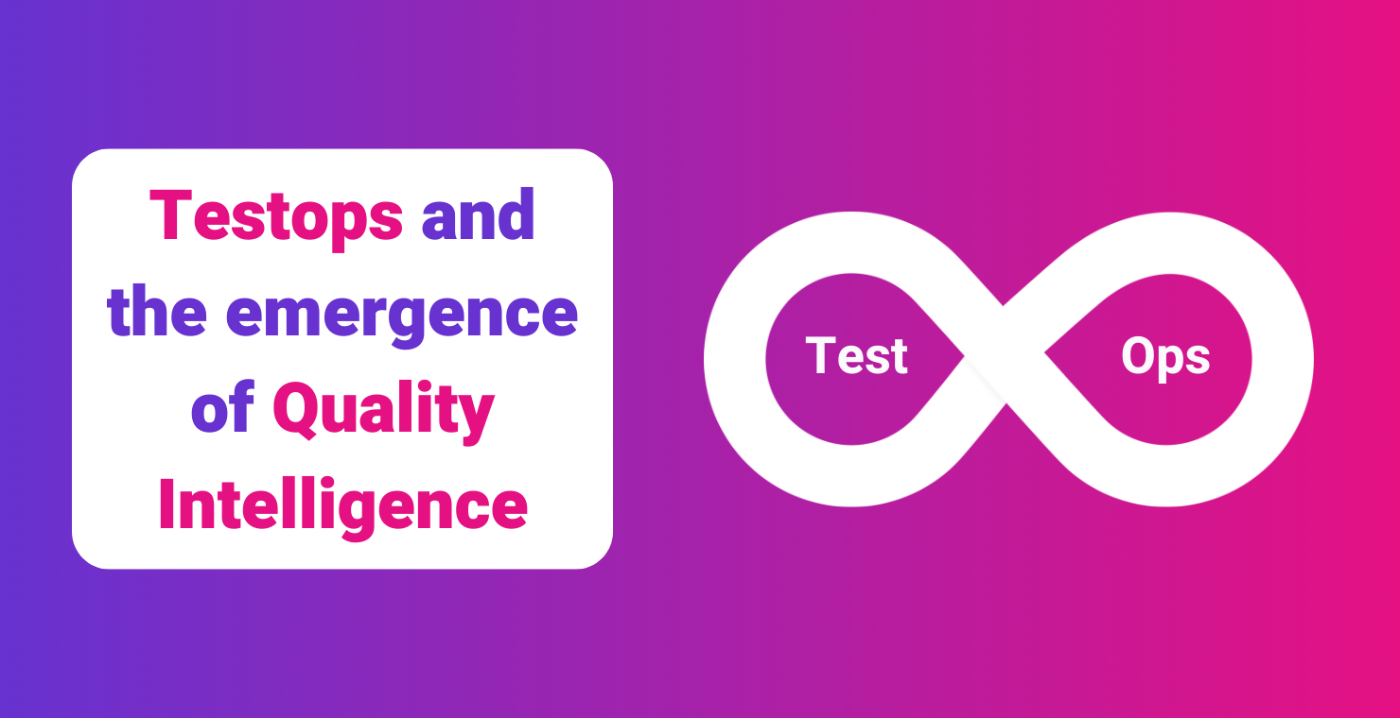
Learn how TestOps emerges as a fresh mindset and set of approaches aimed at optimizing testing practices to seamlessly integrate with the CI/CD pipeline
DevOps is supposed to help streamline the process of taking code changes and getting them to production for users to enjoy. But what exactly does it mean for the process to be "streamlined"? One way to answer this is to start measuring metrics.
In this series of articles, we will explore the convergence happening between the IT and Telecom industries, which is referred to as “Telco Softwarisation”.
Early exposure to version control and continuous integration in CS education benefits students, making software engineering concepts accessible even to beginner
Explore project development with Linux, GitHub, and CI in our summer coding sessions, mastering essential tools and techniques for seamless collaboration.
Code reviews and the pull request are the basic building blocks in many software engineers’ life (The Workflow). They prevent bugs, mistakes, and help distribute the knowledge around a code base in small units of changes. They are, also — and specially code reviews — more an art than a science, and so everyone makes mistakes here. Things as random as the relationship that different contributors have between them, influence whether something is approved, overlooked, ignored or requests changes.
Continuous Integration (CI) and Continuous Delivery (CD) are staples of a modern software development workflow that enable developers to release their code rapi
Kubernetes is an open-source container orchestration system that is designed to help you build a scalable infrastructure using high load approaches on a weak server. In this article, we’ll show you why Kubernetes is worth using in 2020.
The rise of DevOps and Agile methodologies is apparent to anyone closely following the business world. Just last year, there was an 18 percent increase in DevOps adoption. Most business owners see the benefits of embracing both DevOps and Agile. With these methodologies in place, developers are able to get projects done in a timely and efficient manner.
The anxiety of deployments is real. Let's take a stab at understanding the human emotions related to deployment and learn best practices to minimize the fear.
Continuous Delivery is the ability to ship code quickly, safely, and consistently, and it’s a necessity for teams that wish to remain innovative and competitive. It’s focused on delivering value to the user and starting that feedback loop early — the ideal state of Continuous Delivery is one in which your code is always ready to be deployed.
Many engineering leaders think of CD as a workflow and focus on the tooling and processes necessary to keep code moving from commit to deploy.
But CD is more than just a process — it’s a culture. To effectively practice CD, you need to:
Learn reflections on implementing and scaling web testing projects, emphasizing the importance of early exposure to version control and automated testing.
The advantages of moving security into the DevOps lifecycle early are well-studied. For example, Puppet’s 2019 State of DevOps Report details numerous ways that both security and DevOps improve when security is integrated into DevOps earlier (aka: Shift Left).
High school students learn software engineering skills, including automated testing and version control, during a summer project at Wayne State University.
High school students learn software engineering skills, including automated testing and version control, during a summer project at Wayne State University.
A test strategy is a set of high-level definitions that determine how software testing processes are going to be performed, driving our decisions on how to invest our testing efforts. Creating a well-thought test strategy is crucial to understanding the overall scope of your project, and what testing approaches, tools and skills are required in order to develop a successful product that provides a great user experience.
Containerization is important for models to function properly once production begins. Leveraging continuous integration/deployment is will improve efficiency




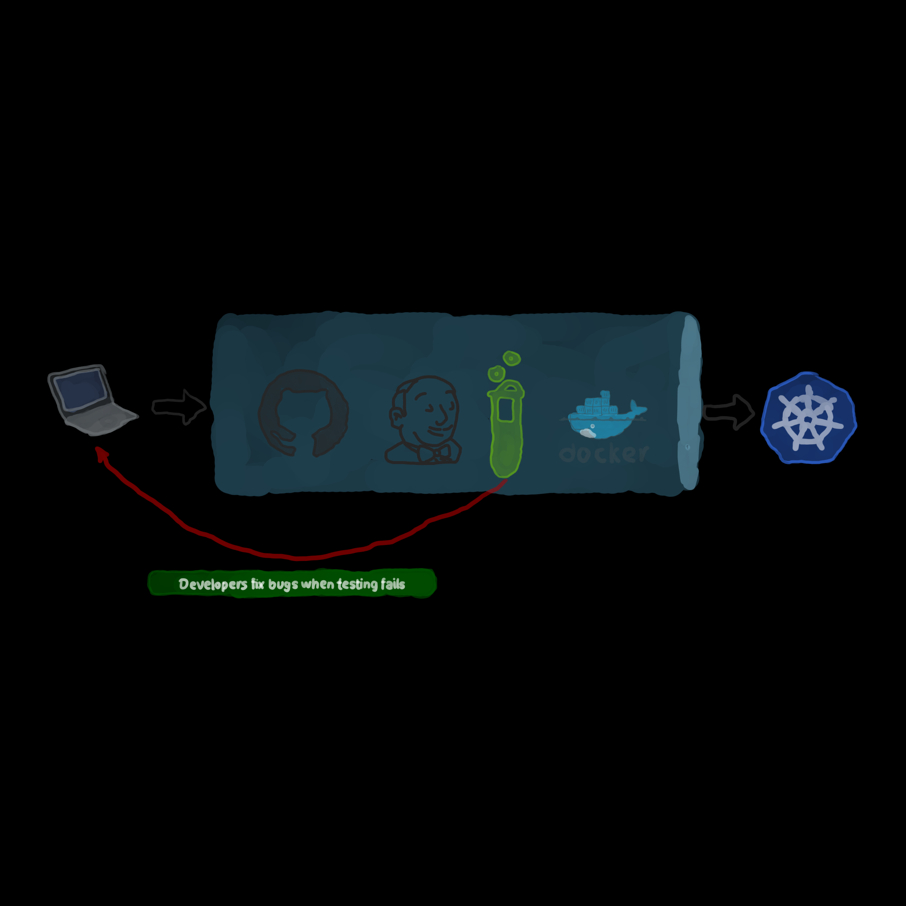

 So you want to start testing your code? Good choice. Testing is a great way to make sure nothing breaks in deployment, and Jenkins makes it easy to automate this process.