You signed in with another tab or window. Reload to refresh your session.You signed out in another tab or window. Reload to refresh your session.You switched accounts on another tab or window. Reload to refresh your session.Dismiss alert
Let's learn about Django via these 132 free blog posts. They are ordered by HackerNoon reader engagement data. Visit the /Learn or LearnRepo.com to find the most read blog posts about any technology.
Django is a high-level Python web framework that encourages rapid development and clean, pragmatic design. It helps developers build complex, database-driven websites quickly and efficiently with its "batteries included" philosophy.
Frameworks make developers’ lives easier by offering them a structure for application development. They automate the implementation of common solutions, cutting development time and allowing developers to focus more on application logic instead of routine elements.
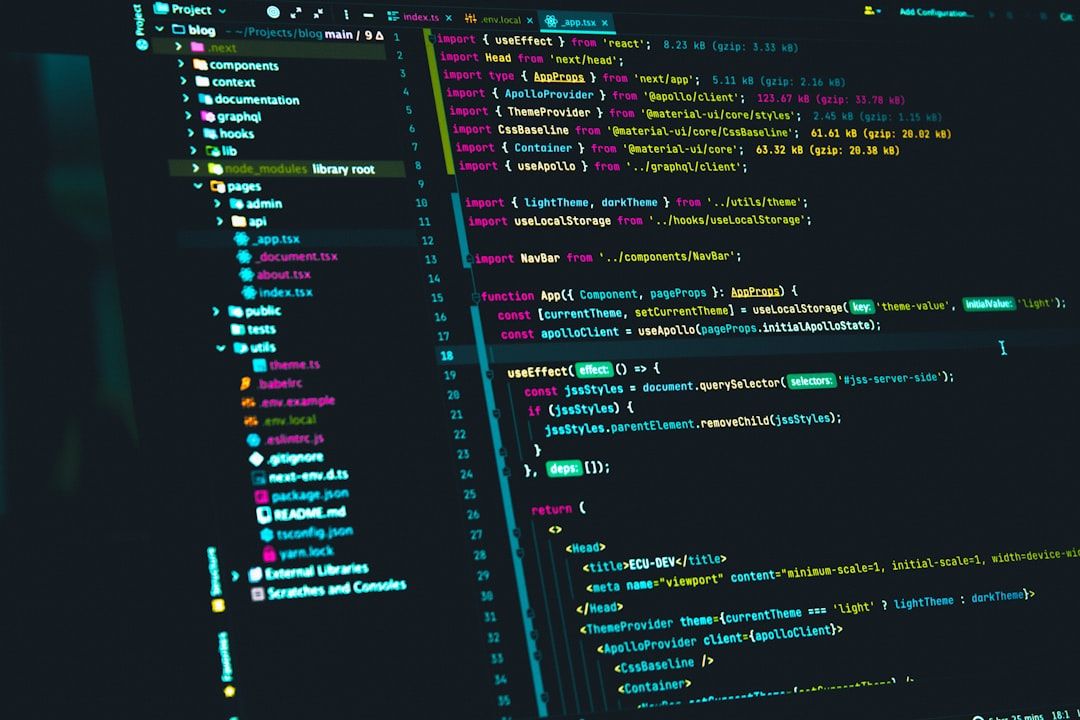
ReactJS is a fantastic frontend framework, and Django is a fantastic backend framework. However, as usual when dealing with anything of more than trivial complexity, it isn’t easy to get the two to place nicely together. It's not like taping a banana to a wall.
Let’s use drf-spectacular to simplify creation of beautiful docs for your Django application according to the OpenAPI Specification version 3. Sounds easy? It wasn’t for me…
A guide on how to create a responsive table inside your web applications using both Django and htmx to create such a system to process your website's data.
There’s a foundational question that every project starts with: accept the freedom to roll your own solutions along with the burdens that go with it, or take the chance to use sensible defaults that allow you to move quickly, but hide a multitude of decisions and set you on a prescriptive path.
ReactJS is a fantastic frontend framework, and Django is a fantastic backend framework. However, as usual when dealing with anything of more than trivial complexity, it isn’t easy to get the two to place nicely together. It's not like taping a banana to a wall.
I've been using Django for a little less than a year already if I'm not mistaken and I'd like to share the top resources I use when I'm running on a roadblock or if I'm trying to implement something that I haven't implemented yet.
The Django Framework has been a popular choice for web development with Python for many years. And for good reason: it leverages Python's ease of modularity to offer a very flexible solution for a variety of applications.
This article is a prequel of sorts to my earlier 110% Complete JWT Authentication with Django & React - 2020 article. That article covers how to get started with JWT authentication in a typical React and Django Rest Framework project, and it does that well enough. There's just one major annoyance with it - I couldn't figure out how to get live reloading working! So for every change made to the frontend, we had to shut down the dev server, rebuild the React bundle, and start it up again. Talk about tedious!
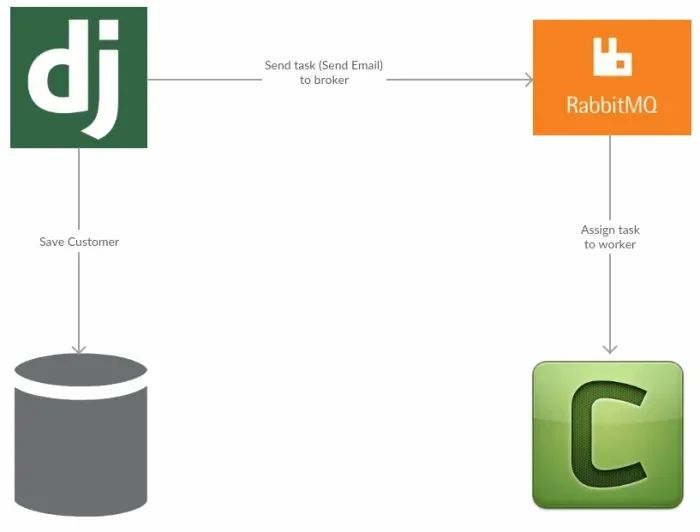
Here I’m assuming you already have your basic Django project setup. And, already know what Celery is? if not, I’ll suggest getting a basic understanding of it here. So let’s just directly jump into the steps.
Using Django & BrightData to build a Movie Recommendation Website! With ability to search through data of various rating agencies, Flix-Finder is a must have!
In this post we are going to build a web application which will compare the similarity between two documents. We will learn the very basics of natural language processing (NLP) which is a branch of artificial intelligence that deals with the interaction between computers and humans using the natural language.
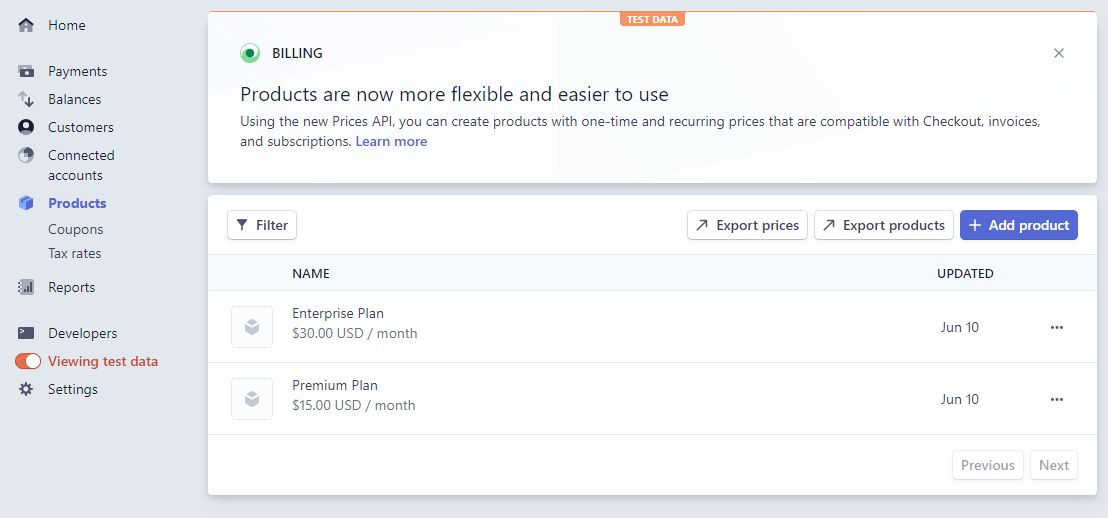
If you are familiar with Stripe, you know how big of a player they are in the online payment processing field. Their API not only allows programmers to easily create one-time payments for sites such as e-commerce stores, but also provides quick integrations for monthly subscriptions and routing payouts. If new to Django and Stripe, check out our recent article on integrating one time payments. Otherwise, let's get into setting up monthly payments with Django and Stripe.
The programming language Python is famous for quite many reasons. It is loved by enterprises, developers, researchers all over the world. Be it enterprise development, machine learning or anything else, Python has more than a few applications in the present-day world. It has not just been able to impress users with its flexibility, ease of understanding, uncomplicated implementation and abundance of libraries, but also its frameworks that developers are falling in love with instantly.
Deciding between Flask vs Django can be easier task when acknowledging the use cases for both frameworks. So, in this article, we define where and what to use.
If you’ve decided to adopt Python for your software development, it’s crucial to know whether Python has a good chance to remain important to the industry in the years ahead.
The Best Front-end frameworks are future-proof and supply the best design solution to the UI experts. There are diverse options in the market for C++ and Java
Django is a web app framework based upon Python, but is not a part of Python. Python being open-source language, easy to learn and adapt, has become the programming language of choice for beginners as well as seasoned developers in recent years. Django was created to support web application development, web APIs, web services. Thanks to rising popularity of Python, Django too became a framework of choice for python developers.
Prepare your Heroku-deployed Django application to be closer to production-ready by implementing public & private storage backends for media & static files.
Django is a web framework for perfectionists with deadlines.Using it you can create many cool projects. It was designed to make common web development tasks fast and easy.
Ruby and Python are some of the most commonly used programming languages for web application development. According to the Stack Overflow’s annual survey conducted among 90,000 developers worldwide, Ruby and Python were in the Top 15 most in-demand programming languages in 2019. It’s quite something considering that there are about 700 programming languages in the world!
Learn how to optimize images in Django using an easy-to-use ImageCDN. ImageEngine automatically serves your images in next-gen formats on the global CDN.
Web development has emerged as a rapidly developing field in the past few years and as the knowledge of various tools and languages used in web development is increasing, so is the number of individuals in this field thereby making a tough competition. Python has emerged as a mightily popular language in almost all fields of Computer Science and there are a large number of in-demand Python frameworks available like Django, Flask that might allow you to get an edge over other Web Developers in the community.
This article is for business owners willing to launch their first product. In this material, we will discuss and try to compare two popular backend solutions.
The current software development ecosystem moves fast and it seems older frameworks like Django or Rails becoming absolute, but it is a huge underestimation! Django is one of the unique frameworks that I like to use - first of all because it contains everything in it, with just a few simple configurations.
Sometimes in Django you wish to override a small piece of a template and then refer back to that original template. However, in default Django, once you override that template, you can not refer back to it with the extends tag. This means you have to copy and paste a lot of code you would rather not maintain. So it would be nice if you had an extends tag that worked like:
Optimize your website for lightning-fast speed with caching. Reduce processing overhead and improve response time, and discover the power of caching today.
What comes to a Python developer’s mind when he needs to write an I/O bound application? Of course async. Why? Usually, because it’s a trend. And I’ve seen this
Walking through the process of building a platform leveraging AI to help users practice for interviews; integrating feedback from the first few live user tests
You already know web security is important to keeping hackers and cyber-thieves from accessing sensitive information. So, in this post we are going to check Django security vulnerabilities and how to fix them.
When I was first starting with Django, one of the most challenging obstacles I faced was deploying my application. In this tutorial, I will show you guys how to deploy your Django applications to PythonAnywhere and hopefully help you avoid the pitfalls I made.
It was a warm evening in April in the northern plains of India, I was sitting at my desk with a slight discomfort for I could not figure out the solution of a Foobar Level 4 problem because well, my high school was closed ( still is! ).
Now that Django 3.0 ships with ASGI support out of the box, adding Websockets to your Django app requires no extra dependencies. In this post, you'll learn how to handle Websockets with Django by extending the default ASGI application. We'll go over how to handle Websocket connections, send and receive data, and implement the business logic in a sample ASGI application.
Softformance has published a list of the most popular Django-based websites built with Django web framework. Softformance used to use Plone CMS – Python and Zop
Django is powerful web framework, but with power comes responsibility. In this article, we will cover common mistakes that are even seasoned Django developers make, yet most successful Django projects need to deal with these sooner or later.
I recently revisited three old posts on Django class-based views that I wrote for this blog, updating them to Django 3.0 (you can find them here and noticed once again that the code base uses mixin classes to increase code reuse. I also realised that mixins are not very popular in Python, so I decided to explore them, brushing up my knowledge of the OOP theory in the meanwhile.
Having recently worked with young web developers who were exposed for the first time to proper production infrastructure, I received many questions about the various components that one can find in the architecture of a "Web service". These questions clearly expressed the
confusion (and sometimes the frustration) of developers who understand
how to create endpoints in a high-level language such as Node.js or Python, but were never introduced to the complexity of what happens
between the user's browser and their framework of choice. Most of the
time they don't know why the framework itself is there in the first place.
Discover how to create a dynamic photo collection app with Django and Cloudinary. Read about its functionalities, and explore noteworthy features. Fork the app.
Configuration of production and development settings in Django.
Can we read from different databases? What about getting notifications on view exceptions?
The 2020 #Noonies are here! And they are both much greener and much bigger than last year. Among the 2,000+ deserving humans nominated across 5 categories for over 200 award titles, we discovered Aswin Ganesh from India, who’s has been nominated for Hacker Noon's Contributor of the Year in our Functional Programming category. Without further ado, we present to you, our big techy world in 10 questions, from the perspective of Aswin.
If you've stumbled upon my article, I assume you are working on a Django project and are wondering how to secure your project information, more importantly, security keys. If so, you've come to the right place as I am about to teach you the best method of doing it.
Follow the quickstart to create a Django application, connect that application to a MongoDB deployment, and interact with the data stored in your database.
This article will show how software development teams can build on-demand environments for dog-food testing, quality review, internal and external demos and oth
Last year, when Django 3.0 came out there was a lot of buzz in the developer community about how Django 3.0 has support for asynchronous now but what does that mean for most developers? I guess we'll find out.
Learn how to avoid the N+1 problem in Django REST framework serializer. Optimize your app's performance by using JOIN statements to retrieve related data.
Learn about caching, database optimization, minimizing queries, using CDN, profiling & monitoring, and more. Boost your app's speed and efficiency today!
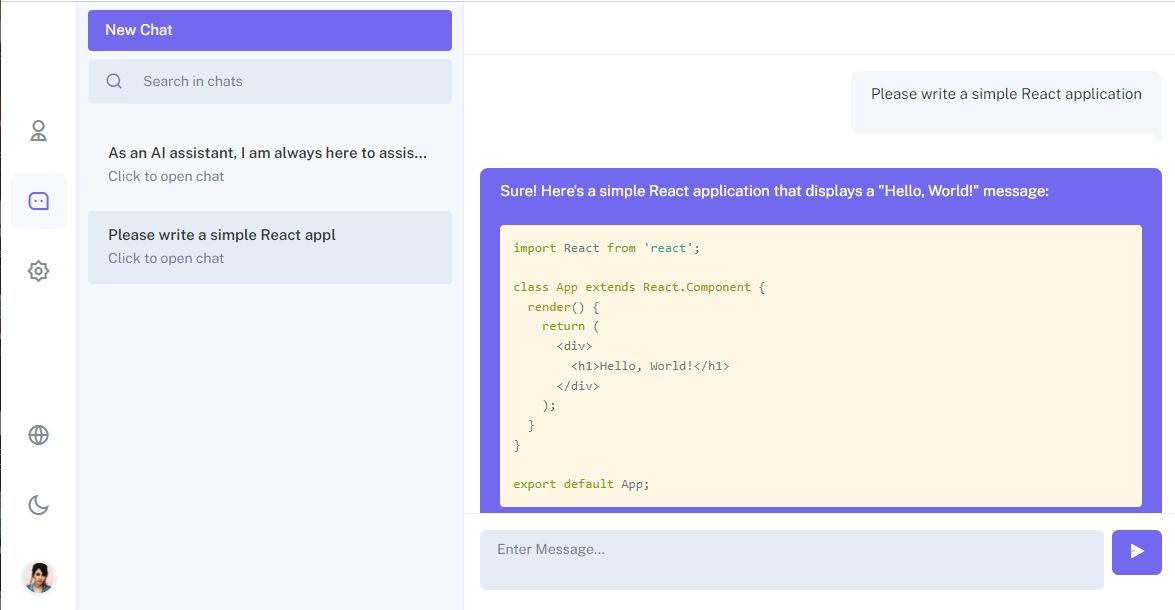
Our team decided to write our own chat for working with GPT4 from OpenAI and other ML/LLM models with the ability to customize for the company’s internal needs.
Build a secure anonymous feedback system using Django, Twilio for SMS, Pinata for media uploads, and TailwindCSS for responsive UI. Ensures privacy and secure s
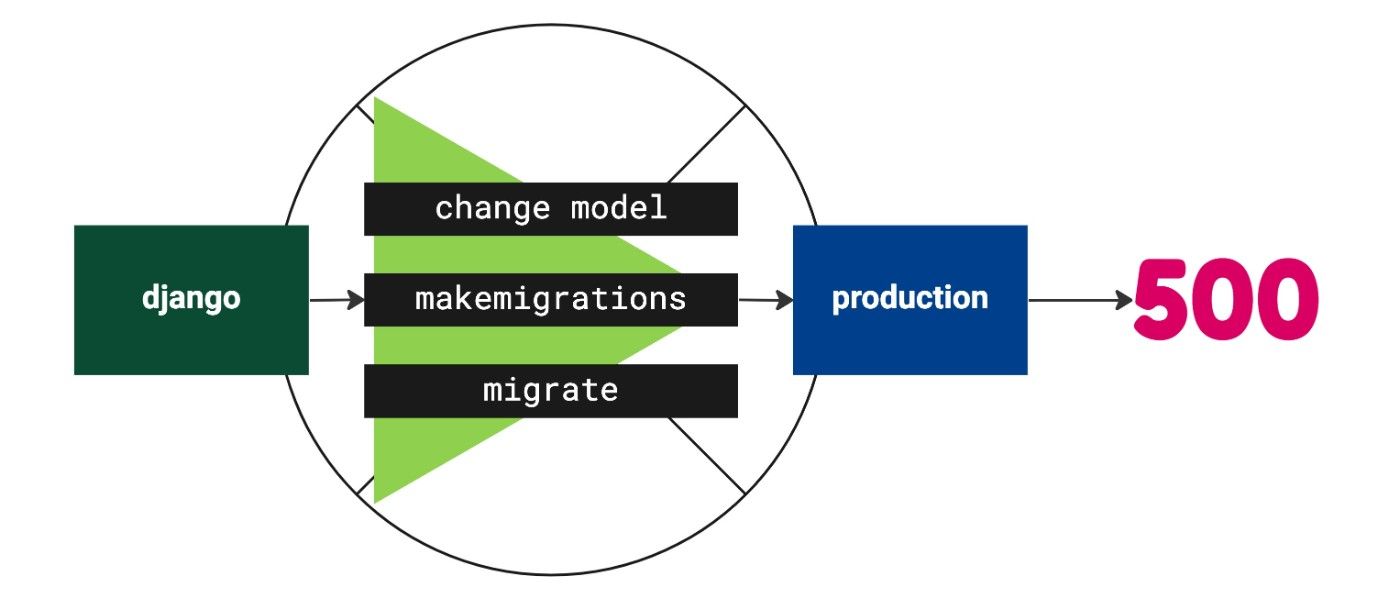
A Django developer noticed 500 password resets in 3 weeks. They blamed the UI, but the real culprit was a silent database bug. Read the full postmortem.
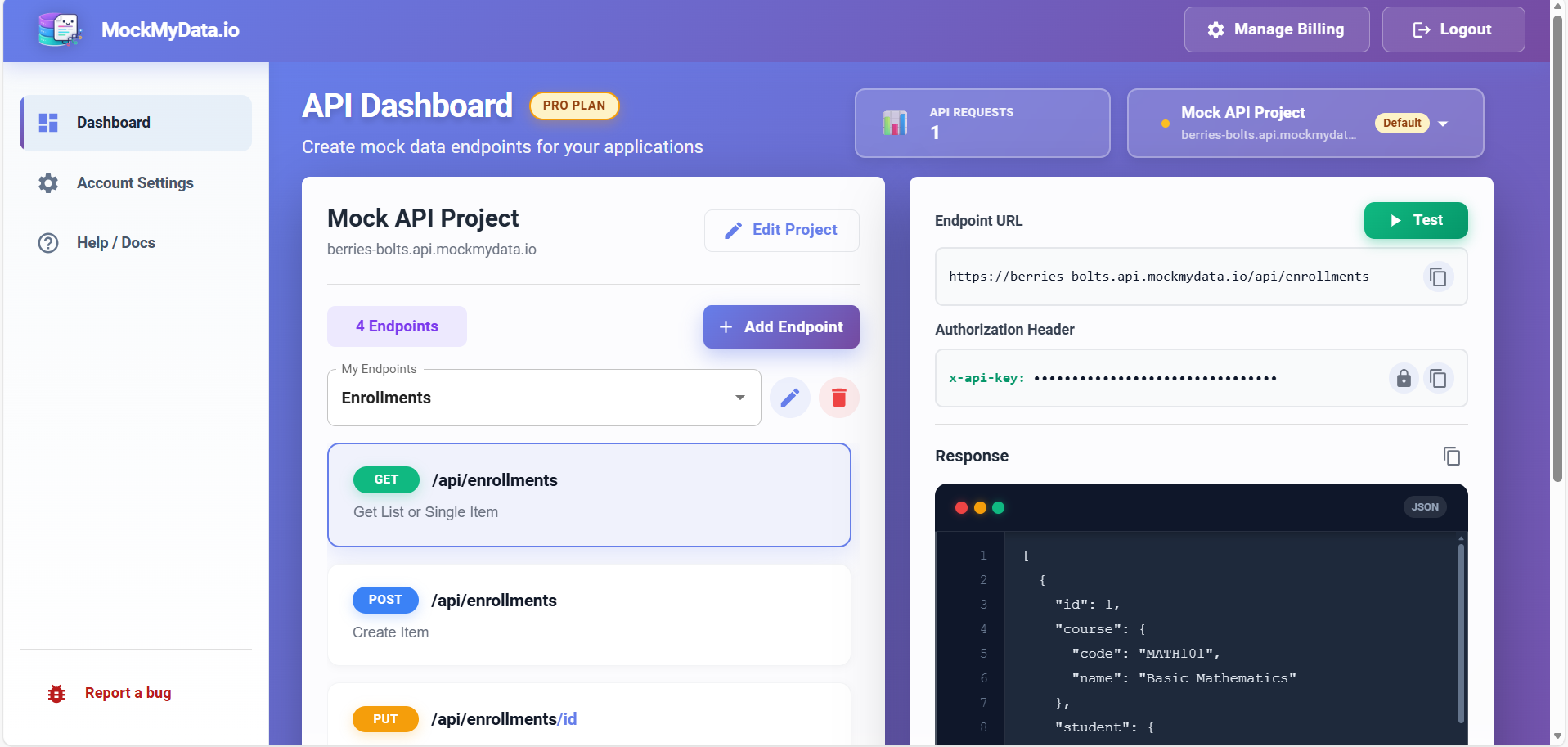
I built MockMyData.io in 10 weeks - a multi-tenant SaaS that generates mock REST APIs. Here's how I handled subdomains, rate limiting, and Redis caching.
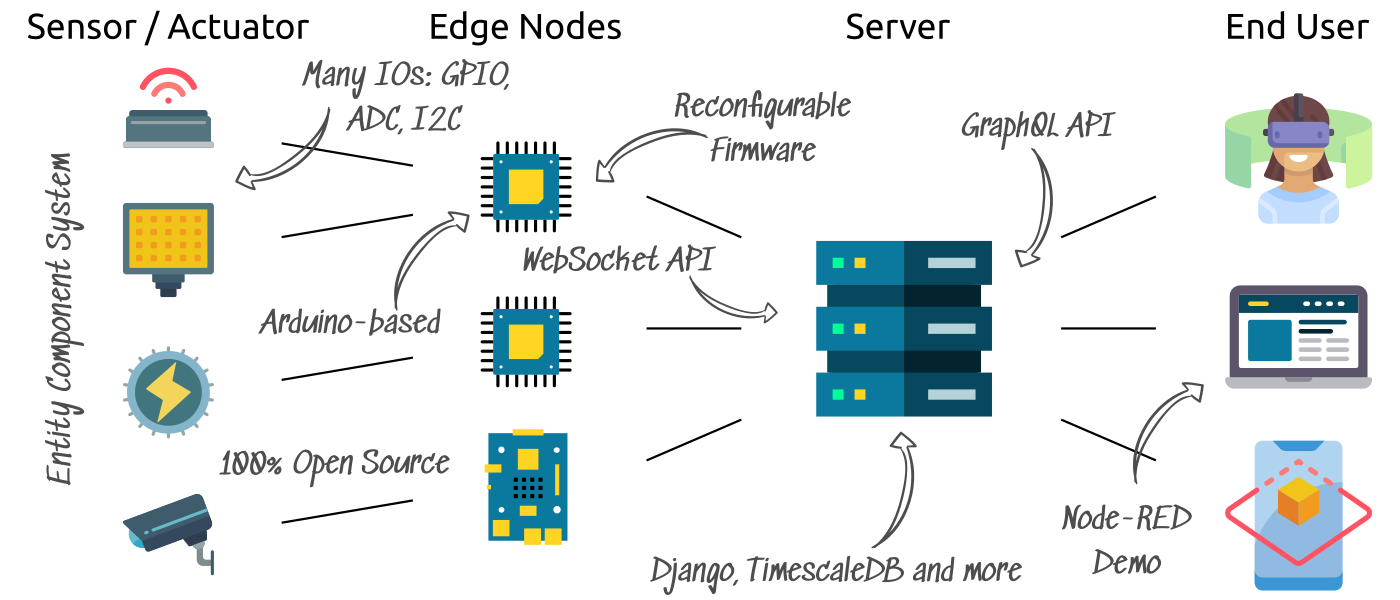
An open-source IoT platform that uses microcontroller reconfiguration, capability-based peripherals, GraphQL, TimescaleDB, entity component system, and more.
A real case where abnormal ad impression patterns on a Django site nearly caused an ad network ban — and the application-level mitigation that reduced the risk.
I have stumble upon this site looking for some solutions for my Django problem, and I loved it. I decided to signup and share my views on technology and apps development. I'm like 5 years experience PHP and JavaScript developer, although in that time I have developed one Angulajs mobile app.