You signed in with another tab or window. Reload to refresh your session.You signed out in another tab or window. Reload to refresh your session.You switched accounts on another tab or window. Reload to refresh your session.Dismiss alert
Let's learn about Graphql via these 140 free blog posts. They are ordered by HackerNoon reader engagement data. Visit the /Learn or LearnRepo.com to find the most read blog posts about any technology.
An open source language that queries and manipulated data that moonlights as a runtime for fulfilling queries with existing data.
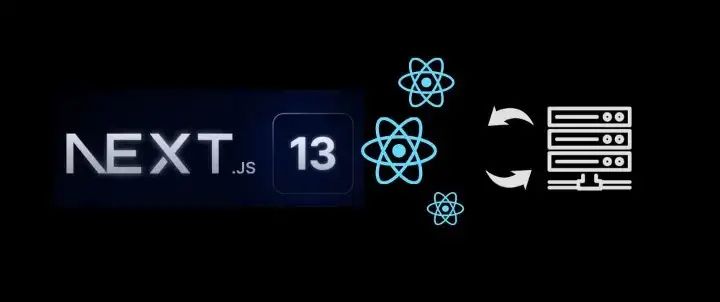
This tutorial will explore how to create a GraphQL server and client with Next.js to provide a more efficient and flexible development experience for our users.
The main reason for writing API documentation is to make your API understandable. For GraphQL there are many options. Both interactive and static documentation.
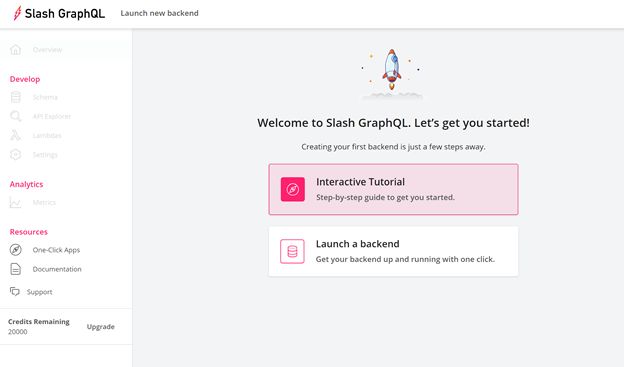
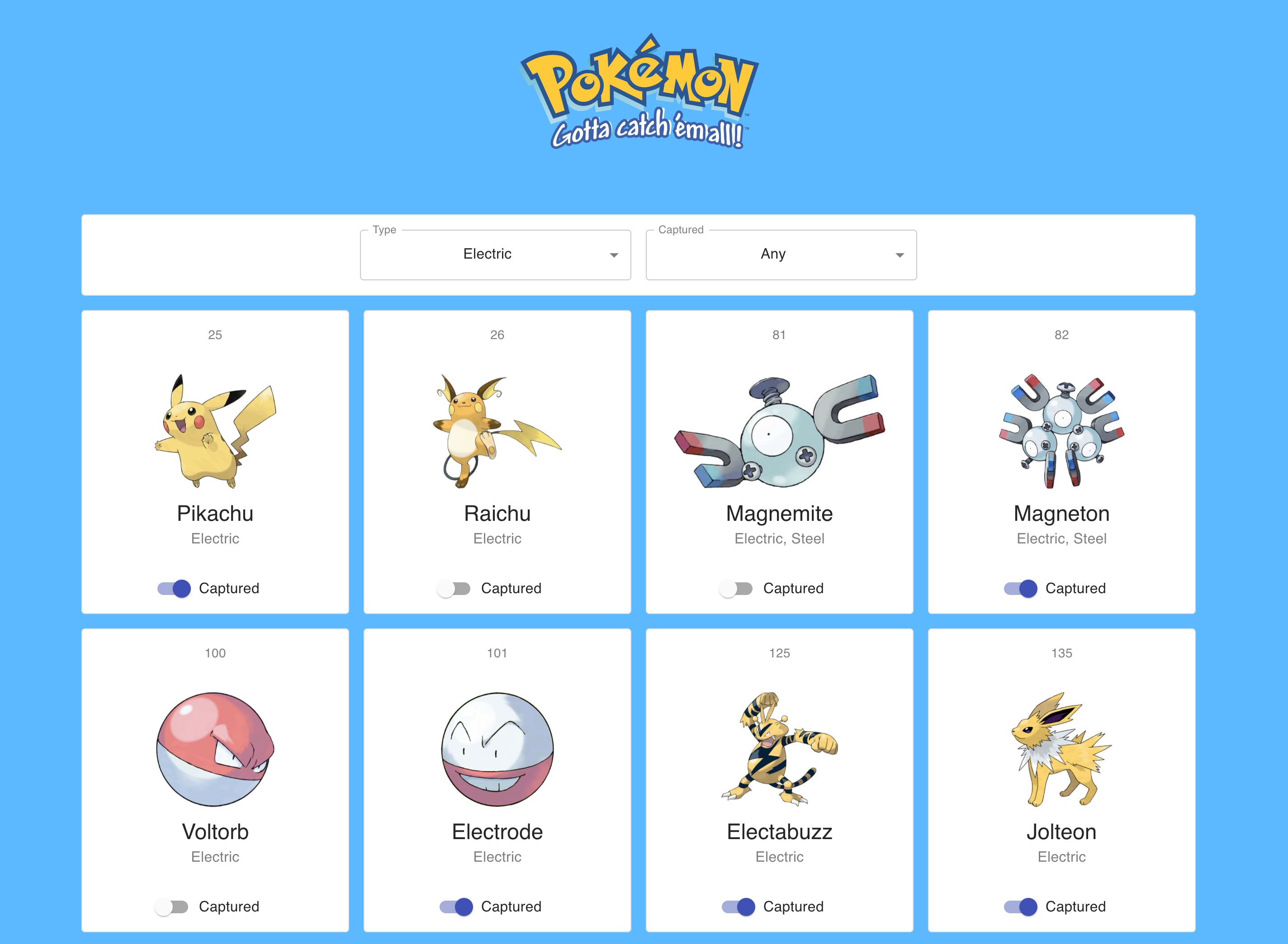
In this article, we're going to walk through some of the basic setup for Slash GraphQL and then take a look at how I built a Pokémon Pokédex app with React and Slash GraphQL in just a few hours!
When you're writing client-side code to make API requests, you might need a Proxy Server to hide your API Credentials. Let's see how to do this for React apps.
GraphQL is revolutionising the way developers build APIs. It lets you query precisely what you want. Nothing more, nothing less! It also gives you the flexibility to query related objects in a single round trip, unlike the REST APIs.
GraphQL is an amazing specification, no doubt about that. I loved it when it first came into my knowledge but as I started learning it, well, I started to hate it and I still do at some extent because I am still learning it. So much boilerplate code to even starting the graphQL server.
In this post, we'll compare different pagination methods in GraphQL and learn how to configure a REST directive to perform cursor-based pagination with StepZen
I have been working on a GraphQL workshop, and it’s been a great learning experience. One of the trickiest things I have had to deal with in GraphQL is handling complex user permissions. It used to be a hassle until a friend pulled my attention to Hasura.
Implementing a good GraphQL backend to serve your database data is not an easy task, you have to implement a lot of resolvers, add authorization, pagination of the fields and use a DataLoader to not repeat your database queries during relations.
Hello guys, you might have heard about GraphQL, another exciting technology. GraphQL is gaining a lot of popularity because of its superiority over traditional REST APIs.
GraphQL has become the most loved tool for API development in a very short span of time, and developers across the world cannot seem to get enough of it. Today I met with the founder of Windsor.io, Pranay Prakash, who has worked on the team behind GraphQL during his time at Facebook. I chatted with him to find out more about his experience working closely with Lee Byron, the creator of GraphQL, and some of GraphQL’s benefits.
So that's it, we are now using SWR as our default data fetching library, giving you all the benefits, like optimistic updates while consuming WunderGraph APIs.
Part 1 of this series provides detailed description on GraphQL server and how to start setting it up using springboot, Schema Definition Language (SDL) and its types.
When you look at positive articles about GraphQL, you often hear how much better it is than REST and how it solves the problem of overfetching, underfetching ..
GraphQL subscriptions are the key part of our environment because it allows using the same schema/query based concept but with live WebSocket updates over multiple UI components. Especially considering our use-case for UI <> API communication at Hexometer.com, some of our website analysis tools can give a response with a partial data or it could take a significant amount of time. Using WebSockets allows us to send data to UI whenever our tools are ready to respond.
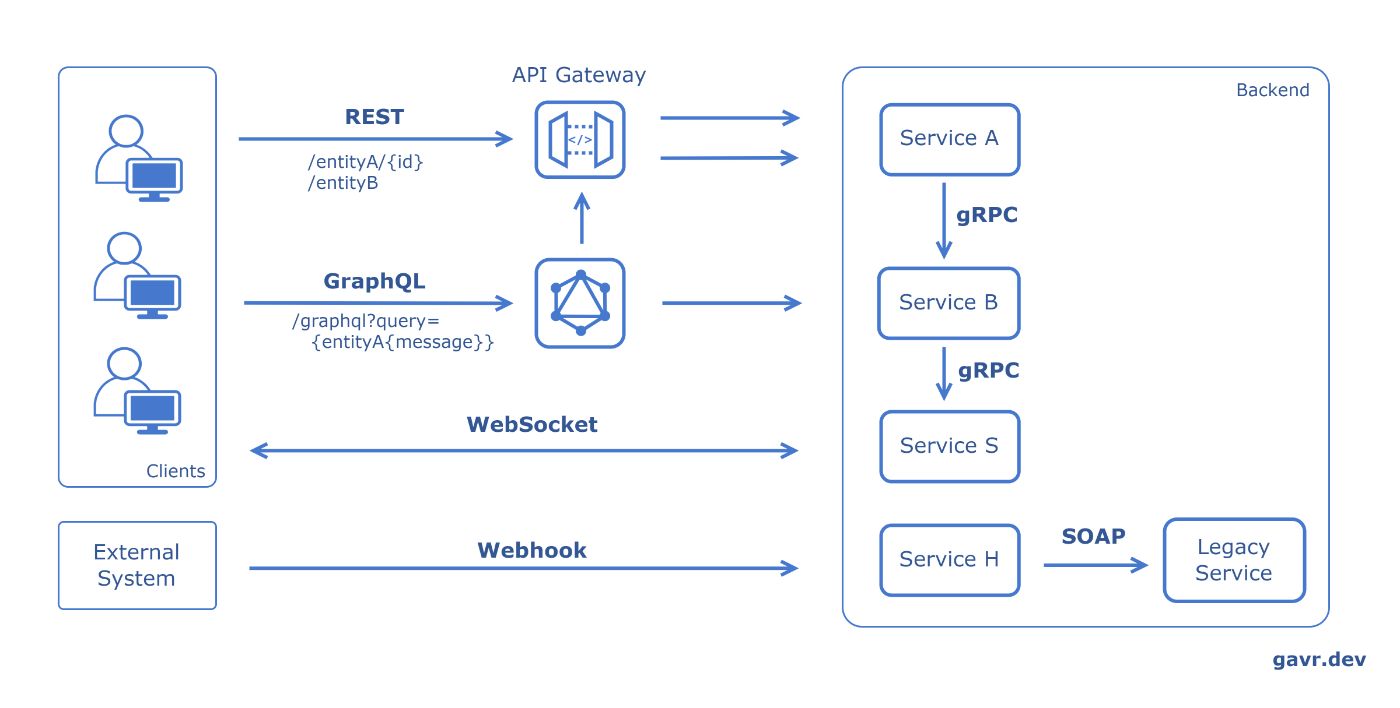
While conventional wisdom states we should move to GraphQL entirely, for customer-facing APIs, we need REST. For our own frontends, GraphQL is the answer.
The battle for the best API framework is a never-ending one. I will explain you the difference between two very popular and frequently used API frameworks.
It's been 2 months of Firecamp's GraphQL playground launching, throughout this time I have been discussing with so many folks about their GraphQL usage and experience with Playground.
NestJs is an easy-to-learn and powerful framework. The beginner's guide for developers will teach you how to create an application using the NestJS framework.
In the first quarter of 2020, I had the experience of being in a short term advisory role for a company that had built a type of Linkedin product for a specific vertical market. They had done a valiant job, but it was clear that scalability was a problem and they had created a problem for themselves by having used MongoDB as the datastore.
The Firebase Realtime Database is a NoSQL database in the cloud. It doesn't have a GraphQL API, but it has a REST API that you can convert with StepZen.
While GraphQL offers several benefits, there are some potential disadvantages and challenges to using it in C# to consider, before you decide to implement it.
If you're having troubles with organizing API for the Node.js app, using the Sails.js framework with the GraphQL, know that you're not the only one - we've been there too.
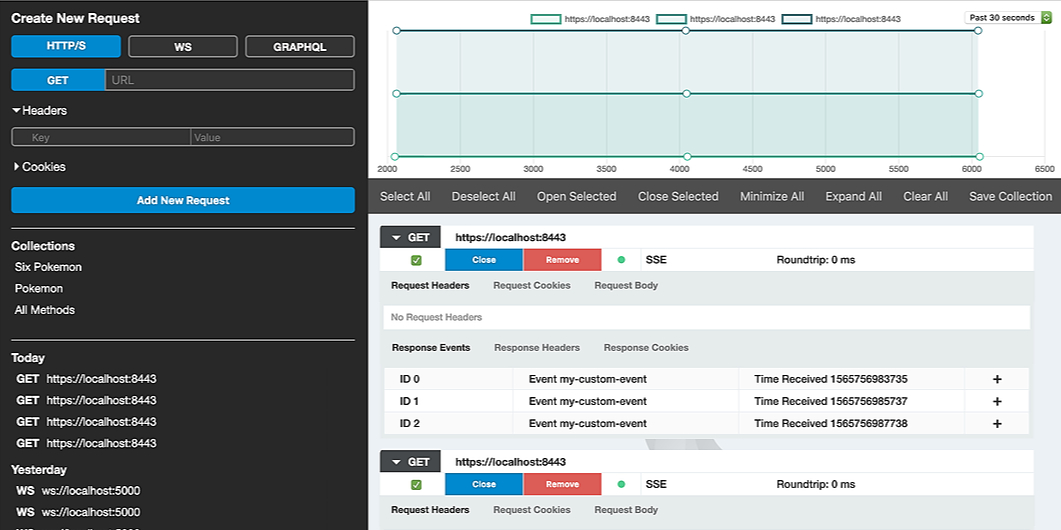
Swell is a cross-platform compatible (Mac, Linux, & Windows) desktop application and the leading API dev tool for testing and visualizing steaming TCP connections (ie WebSockets, SSEs, GraphQL subscriptions). Swell functions similarly to Postman, but with the added perks of full streaming and GraphQL support. Being an Open Source project, Swell is 100% free and open to outside contributions.
In this tutorial, we’ll be creating a Tinder clone, in under 1 hour using Phở Networks, an open-source no-code platform that makes it seamlessly easy to create social applications.
Start using GraphQL in legacy portions of your app without breaking any existing contracts with functionality that may still rely on the original REST API.
Some best practices for API design projects that are intended to work over the course of a long-term operation within a larger organisation using GraphQL
Dive a little deeper to explore real-time data subscriptions by using GraphQL to automatically receive server-side updates with help from a WebSocket consumer.
Social media apps are perfect candidates for using graph databases and GraphQL APIs. The combinations of complex data queries and relationships are endless.
The story of how we developed Shopify modules to connect in stores on Shopify, a portal for brands, an extension for Google Chrome, mobile app + server with DB
Any kind of data storage architecture needs an API. You want your users, and their applications, to access and interact with their data. And no matter how complicated the database architecture itself is, you want this interaction to happen as intuitively as possible.
In part 1 and part 2, the setting up and testing of GraphQL APIs was covered. In this article, the focus is on the querying of the graph DB, which is Neo4j in this case. For querying, the Neo4j OGM library and Spring Data’s Neo4jRepository will be used.
GraphQL is a relatively new way to build user interfaces and APIs for consumers. It's essentially a querying language backed by a strongly typed schema, which makes it easy to write human-readable requests to get exactly the data you need. Compared to REST, whose responses are dictated by the server, GraphQL queries place the power squarely in the hands of the client.
REST offered simplicity, statelessness, and a clear set of rules for developers to follow. It was like the sheriff in an old Western town - bringing order to th
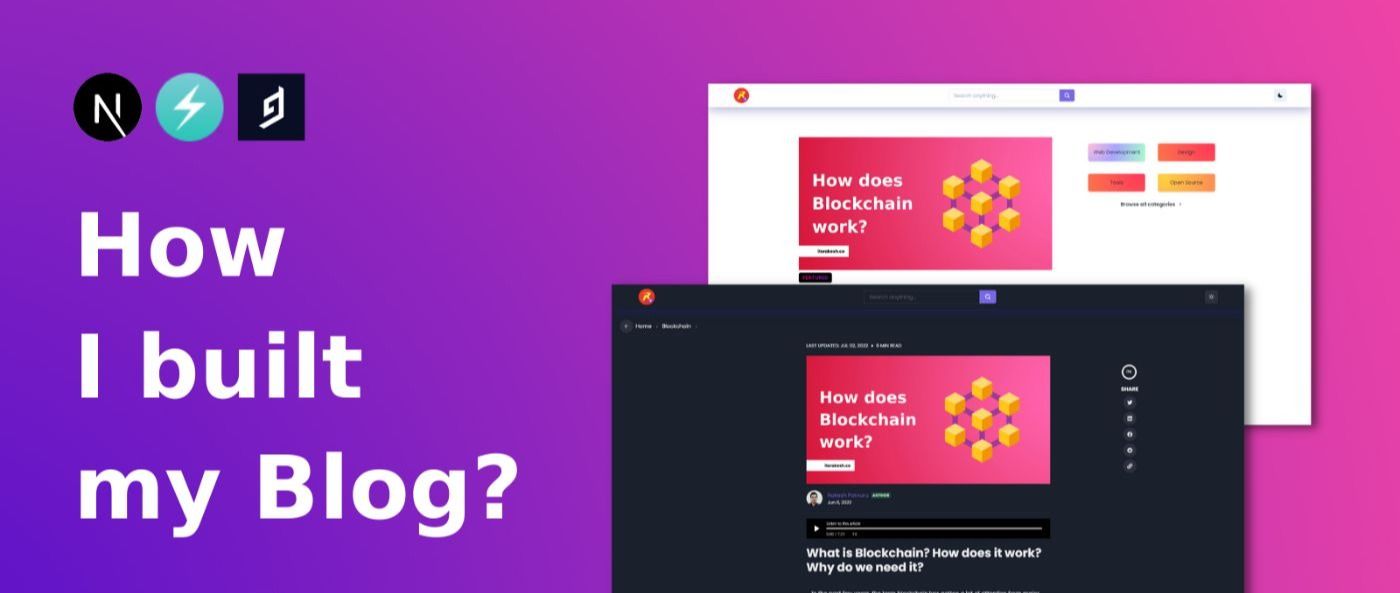
In this article, I described how I created my blog using NextJs, Chakra UI, and GraphCMS. I also disclosed the tools, technologies, and services that I used.
In September 2019, Graph Query Language is accepted as a new database query language in a vote by the International SQL Standards Committee. The unification of GQL takes time.
Start using GraphQL in legacy portions of your app without breaking any existing contracts with functionality that can still rely on the original REST API.
Start building your data strategy team and architecture as soon as you can. A one-person data team can make a massive difference to your success as you grow.
As software engineers, we use tools built by other devs dozens of times a day. Personally, I use over 15 VS Code extensions. Until my team and I set out to build GraphQuill, I didn’t have the slightest clue about the process of developing and publishing an extension. It’s been a fun and worthwhile experience working within the VS Code extension space, so when my team and I got together to discuss releasing GraphQuill, I insisted we include a behind the scenes look at the development process and what challenged/excited us throughout.
In this post, I will explain why I think Relay is a game-changer, how we make it 100x easier to use and adopt, and why you should give it another look.
I’m Roy Derks! A tech speaker, writer and software developer from the Netherlands! I’ve been nominated for the categories below and if you've enjoyed anything
Let’s start with the idea of a database, and a basic query. Server taps the database. Server brings back persistent state information that allows an application to update, and maybe a GUI. What’s wrong with this picture? Not much at first, of course. A GET request is the anchor of RESTful architecture, and in some ways the anchor of the web. So basic that fetch syntax defaults to that type.
I have been working with a US client to build a first-of-its-kind app for managing medical consents. It falls under HIPAA compliance and it’s paramount that we do not allow unauthorized access to user data.
Full-Stack development just reached a whole new level of productivity. Isomorphic TypeScript APIs, as I call them, blur the lines between client and server.
The AWS Lambda service allows us to easily deploy and run our own code, without worrying too much about the underlying infrastructure (when compared to non-serverless technologies). It essentially scales infinitely (with great power comes great responsibility), and can be connected with a bunch of other services, like API Gateway, S3, AppSync, DynamoDB, etc.
Recently, I came across the functions of each file inside the .git folder. This game me the idea to develop a query language that operates on these files.
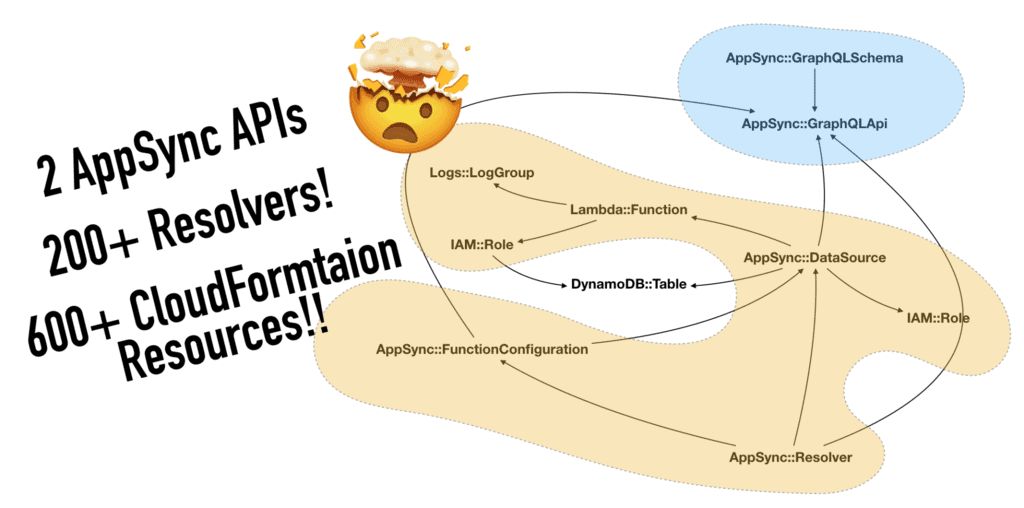
I have been working on a large AppSync project for a client these past few months. The initial version of the app was built in just a few weeks, but the client has commissioned additional features and the project has kept growing. At the time of writing, this project has over 200 AppSync resolvers and 600 CloudFormation resources.
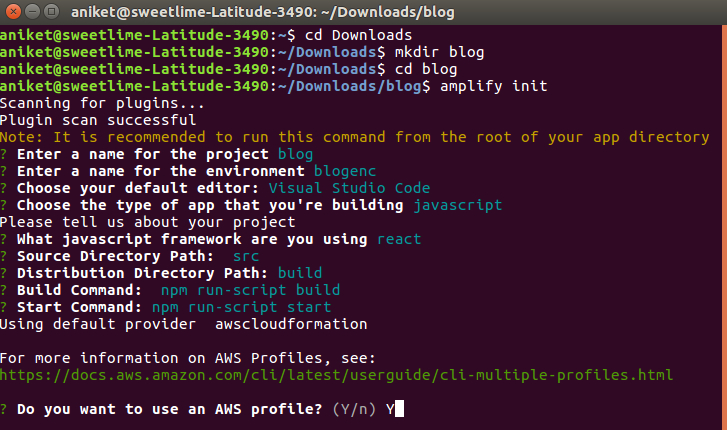
While using any services from AWS you can do it via their API,Console or CLI tool like amplify, amplify was designed specifically to work with AWS and to make it easier for developers to deploy applications on the cloud just by running some commands, In this blog i will be showing you how can you create an Appsync API with Amplify, It will have auto generated resolvers for all the queries,mutation and DynamoDB as the database.Yes you read that right everything will be created for you by AWS using cloudformation which acts as template for all the services that you will be needing. So before we get started i encourage you to install Amplify CLI on your computer and configure it with your Credentials. Let’s get started now.
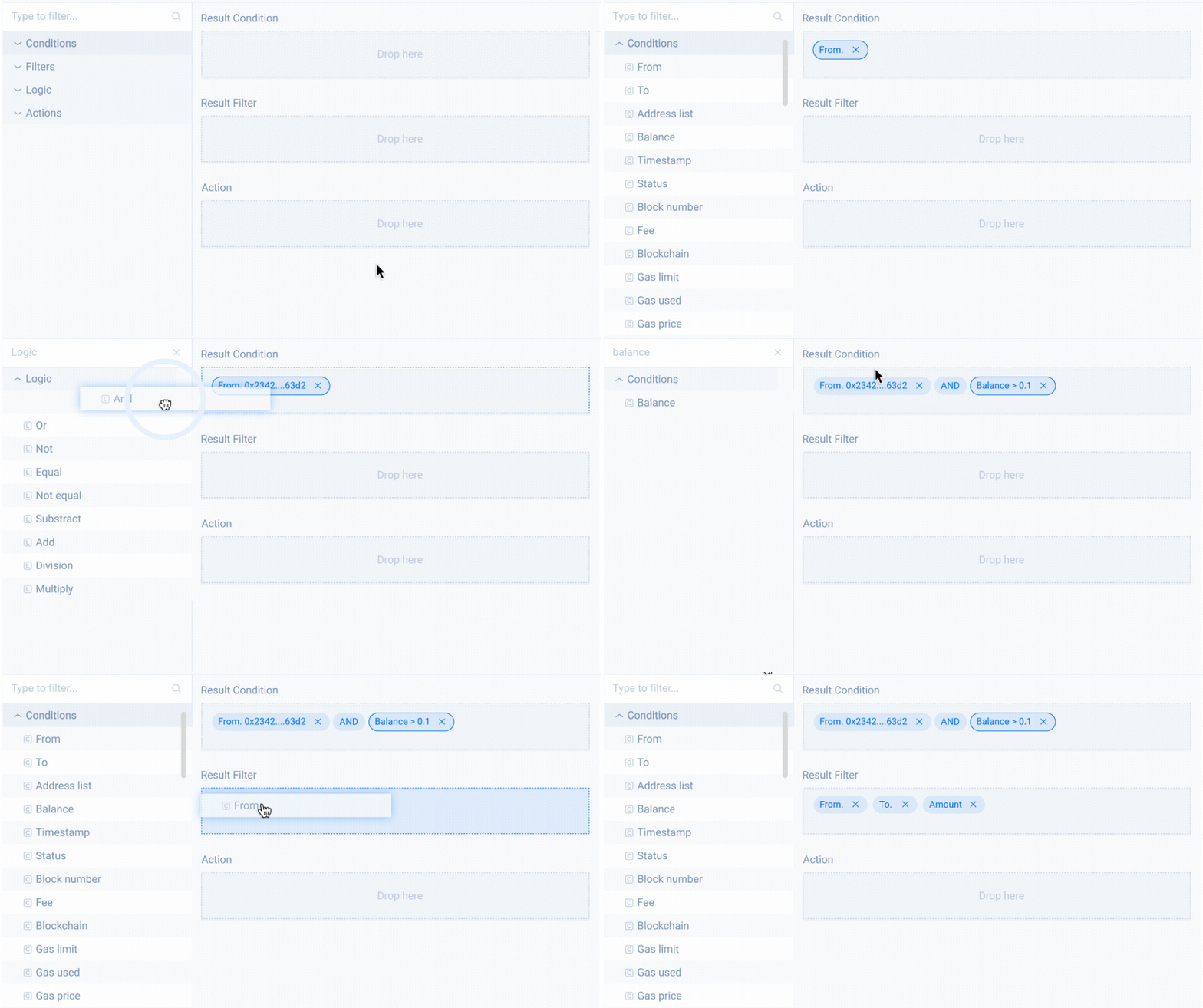
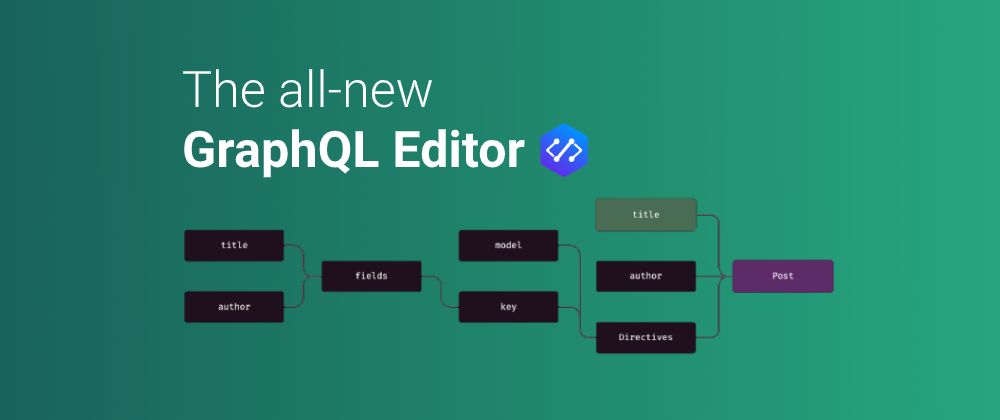
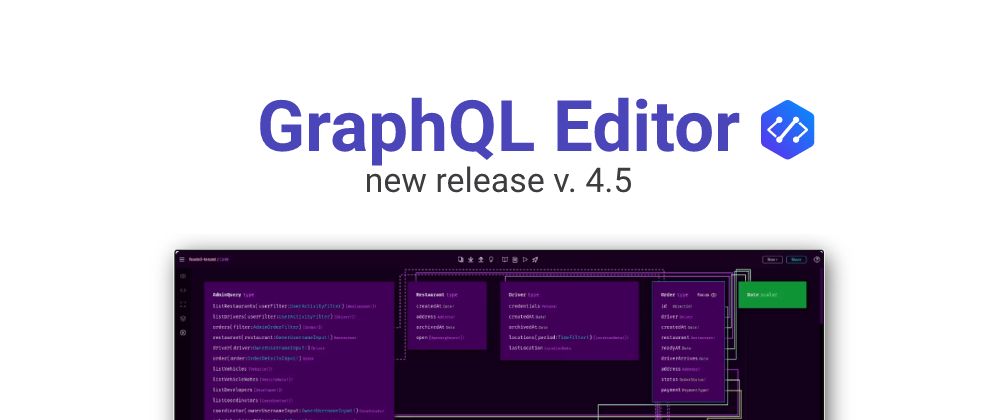
We’ve just launched GraphQL Editor 3.0 and I must say it’s nothing like a year ago as we released it. When we started our vision was to provide an alternative way of designing a GraphQL schema, but what we ended up with is a lot more.
In this article, I'm going to explore graph databases/GraphQL by building a proof of concept blog powered by the recently launched Slash GraphQL - a hosted GraphQL backend.
A Slash GraphQL service instance contains everything needed to provide data to an Angular app. Let’s make a fun demonstration using some of the worst movies.
The BFF pattern optimizes backends for specific client interfaces. Using GraphQL for it fixes some of its drawbacks, but can we do better? Let’s find out with W
[TL;DR; Get started using Dgraph's Slash GraphQL product and connect to a Spring Boot application which will act as a simple RESTful recommendation service.]
TLDR; Gatsby is good for react portfolio sites, but worse than NextJs for web apps and much slower to work and more of a hassle than Web Builders/CMS for brochure/primarily static sites.
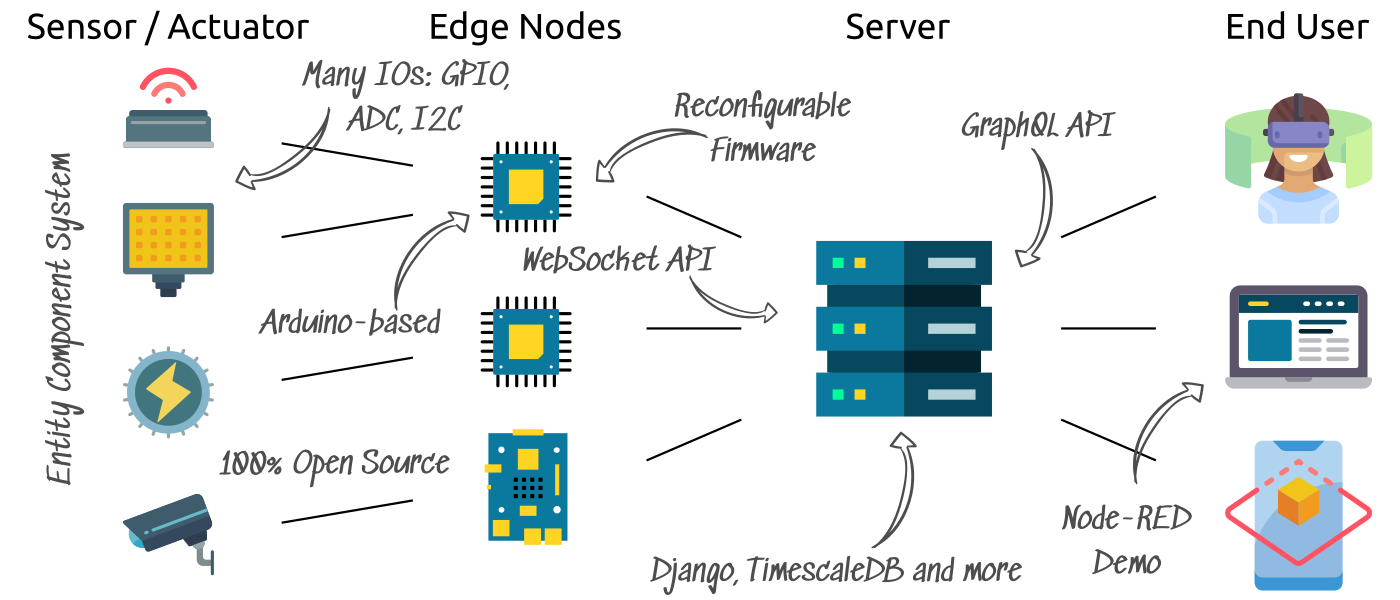
An open-source IoT platform that uses microcontroller reconfiguration, capability-based peripherals, GraphQL, TimescaleDB, entity component system, and more.
Working with the latest tech is fun. It’s fresh and exciting. As developers we
feel invigorated by being on the bleeding edge. Consider us thrill
seekers.
Learn best practices for building secure and high-performance GraphQL APIs using Node.js and Angular. This guide covers authentication, CORS handling, error man
Have you ever experienced an itch you just can’t scratch? If yes, then you will feel my pain. A few days back, everything was fine, I was happily writing code(!) and doing standup meetings regularly. Just before the weekend, my boss called me and shared this problem with me.
Generate posts on Dev, Hashnode, and Medium using the same markdown source file to simultaneously post on all three platforms using their REST and Graphql APIs.
Discover the power of GraphQL with our depth guide! Whether you're a seasoned developer or just starting, learn the essentials of Getting Started with GraphQL.
Ben Church is an engineer from Canada has been nominated as Hacker Noon's Contributor of the Year in our Google story category. The Noonies are Hacker Noon’s way of getting to know — from a community perspective — what matters in tech today. So, we asked our Noonie Nominees to tell us. Here’s what Ben had to share.
When he's not working for a Google-backed startup in the AI space, Ruairidh Wynne-McHardy from the UK writes coding tutorials and courses - the former of which earned a nomination for a 2020 Noonie. After the ad break: we present to you, our big techy world, from the perspective of Ruairidh.






 GraphQL is an amazing specification, no doubt about that. I loved it when it first came into my knowledge but as I started learning it, well, I started to hate it and I still do at some extent because I am still learning it. So much boilerplate code to even starting the graphQL server.