You signed in with another tab or window. Reload to refresh your session.You signed out in another tab or window. Reload to refresh your session.You switched accounts on another tab or window. Reload to refresh your session.Dismiss alert
Let's learn about Infrastructure As Code via these 92 free blog posts. They are ordered by HackerNoon reader engagement data. Visit the /Learn or LearnRepo.com to find the most read blog posts about any technology.
Infrastructure as Code (IaC) is the practice of managing and provisioning computing infrastructure through machine-readable definition files, rather than physical hardware configuration or interactive configuration tools. IaC enables automated, consistent, and repeatable infrastructure deployments, significantly improving efficiency and reducing errors.
I recently worked on implementing CloudFront for s3 bucket files. Most of the tutorials were doing that using console management(UI) but we at Blue Sky Analytics prefer “code as infrastructure”. So I had to do this using CloudFormation. With the help of a few StackOverflow links and tutorials, I was able to write CloudFormation Template.
If you’re confused when you read about “[some software term] as code” or “everything as code,” all you really need to know is that we’re talking about automation: The thing we use to do tedious tasks for us, or orchestrate tasks when they become too large and complex for manual methods.
“The advantage of feature branching is that each developer can work on their own feature and be isolated from changes going on elsewhere.” (FeatureBranch)
NetdevOps is the application of DevOps principles in networking,
modern network engineers and administrators should manage networks efficiently for agility.
The AWS CDK is a software development framework to define cloud infrastructure as code and provision it through CloudFormation. The CDK integrates fully with AWS services and allows developers to use high-level construct to define cloud infrastructure in code.
Learn how to set up Terraform on Windows for cybersecurity professionals. Discover the prerequisites and get ready to deploy your first Terraform script.
In the age of generative AI, do you want to be agile or reinvent the wheel? there is a plethora of tools now,use them in your infrastructure as code journey/
As you may have seen, we just launched our public beta of env0 last month. As part of the run-up to the launch, our dev team had to go through and make sure everything about our infrastructure was ready for ongoing public use: one element being creating a maintenance mode for both our Application and our public API.
In this article, I'll share our journey at ANNA Money from using our Kubernetes installation in GCP to the managed Kubernetes service by Google and GKE.
How changing the development mindset to a product-led-growth one can improve the user experience by focusing the thought process for the team's members.
Whether you love it or hate it, Helm is a ubiquitous tool for managing Kubernetes applications. You can use it in many different ways which is great, but can also be overwhelming.
For this first deployment, let’s use something we all know by name, Splunk. In this script, we will deploy a single server that has Splunk already installed.
If you are familiar with Docker, Terraform, and the CI platforms (eg: Jenkins, CircleCI, Codeship), you already know the power of Declarative DevOps. It can make development easier by being repeatable, predictable, and fast. Supporting technologies both hide complexities and offer important reuse by supporting simple structured syntax in an easy to create and read file. Each technology has codified much of its domain allowing developers to author and instrument with nothing more than a text editor.
The Cloud has become a familiar feature of the tech stacks at most organizations and is becoming much more than a place for server resources. At present, almost everything in our digital landscape is connected to a Cloud in one way or another.
In my experience, the development of microservice architecture and infrastructure go hand in hand. It's hard to imagine these tasks handled by separate teams.
A phenomenon we have encountered often, when helping companies overcome drift, is a common neglect of the entire SaaS toolchain. Learn why this is troubling.
When talking about infrastructure drift, you often get knowing glances and heated answers. Recording gaps in your infra between what you expected to be and the reality of what is, is a well known and widespread issue bothering hundreds of DevOps teams around the globe.
As CTO at Altar.io, a large part of my work revolves around observing the forward-looking industry trends (including fintech trends) that affect how we create innovative products.
Secure your cloud at commit time. Learn how to protect Terraform, CI/CD pipelines, IAM roles, and state files with policy-as-code and DevSecOps best practices.
This article is a comprehensive beginner's guide to AWS CloudFormation, offering insights into its advantages, fundamental concepts, and practical applications.
Bad Dockerfiles cause outages, security risks, and bloated images. This guide shows how one AI prompt enforces production-grade container best practices.
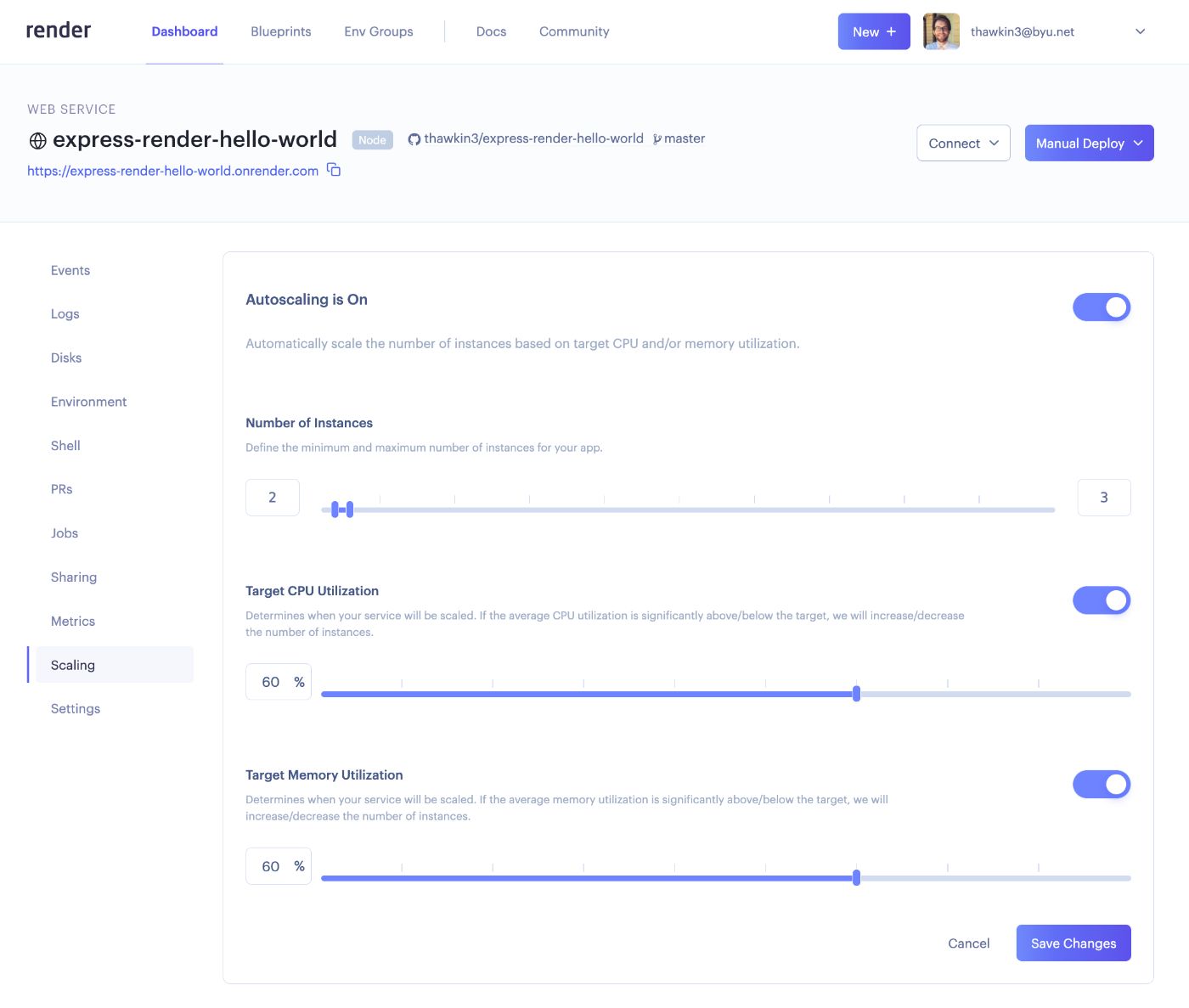
When your app is experiencing high traffic or utilization, you need to scale your service to handle that load. We’ll explore three ways to scale your apps.
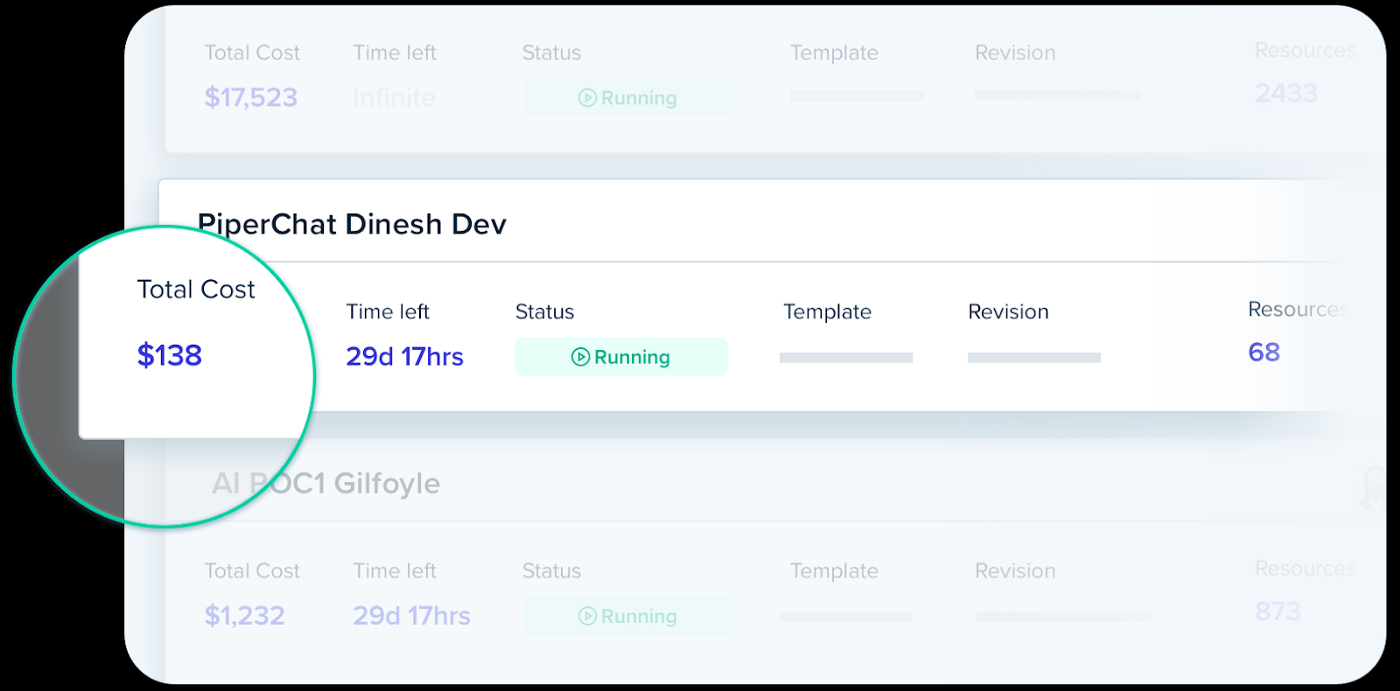
You might have read our beta launch blog post, which describes how Infrastructure as Code (IaC) is driving the third datacenter revolution (the first two being virtualization and the move to public clouds). In this post, I want to go deeper into looking at how IaC is driving a new need and approach to cost visibility and management.
Cloud-native has been the talk of the town for quite some time now. Some developers think it’s just hyped way too much and will soon diminish from the limelight. Others think cloud-native will revolutionize software development and is here to stay!
Infrastructure as Code (IaC) is the process of managing and configuring an infrastructure using configuration files, rather than manually editing configurations
We recently released the first versions of driftctl, a new open-source project for infrastructure developers, DevOps, SRE, and cloud practitioners, with the goal of helping manage all kinds of drifts.
In IaaS Cloud projects, it becomes clear that Security Groups, while effective to a certain extent, fall short in providing the comprehensive security needed
Use TypeScript in all your projects and all use cases without any limitation. You can now do frontend, backend, infrastructure and machine learning in one progr
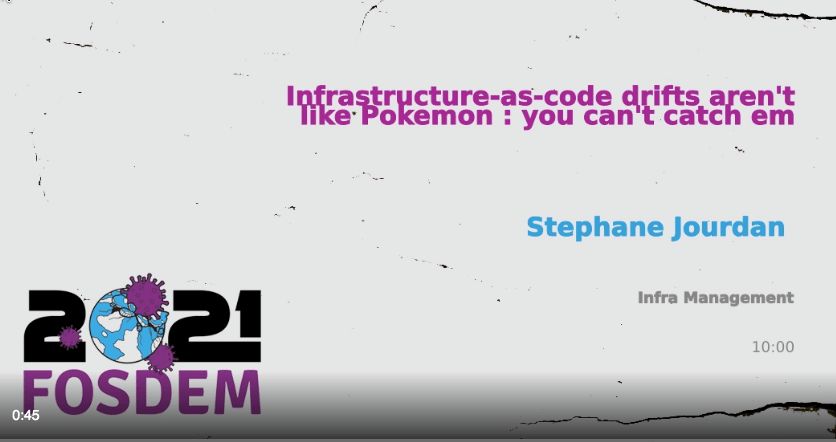
This blog post is a written transcript of the FOSDEM Talk: “Infrastructure drifts aren’t like Pokemon, you can’t catch ’em all”, by Stephane Jourdan – CTO and founder
Most often, there is no point in implementing an in-house solution as the cost and effort of building and maintaining it may exceed its potential benefits.
Divyesh Pradeep Shah led a flawless multi-million dollar enterprise cloud migration with zero data loss, setting new standards in secure cloud transformation.