You signed in with another tab or window. Reload to refresh your session.You signed out in another tab or window. Reload to refresh your session.You switched accounts on another tab or window. Reload to refresh your session.Dismiss alert
Let's learn about Js via these 118 free blog posts. They are ordered by HackerNoon reader engagement data. Visit the /Learn or LearnRepo.com to find the most read blog posts about any technology.
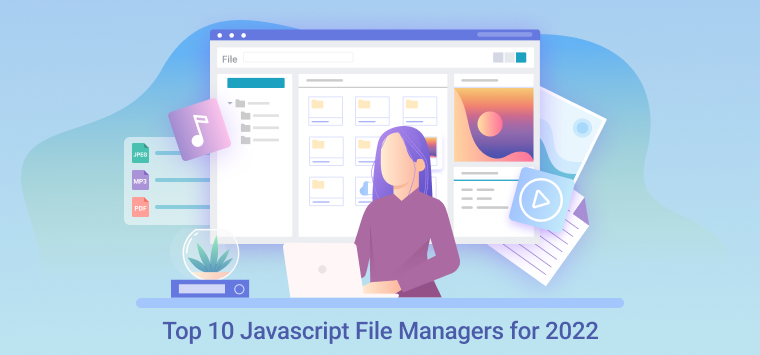
File management is a helpful tool in any business application. Here is an overview of the most functional, elegant, and popular JavaScript File Managers ready to be built into the client-server solution. Even if you do not have a direct need to work with files, you can borrow the classic file explorer interface for other tasks. For instance, there are some cases of the classic interface becoming the basis for a new web application in this article.
Spreadsheet libraries are in high demand today. Such solutions are convenient as they offer ready-made applications, save the developers' time and the owners' money. They can be used in any business domain to deal with big amounts of data.
dJavaScript libraries are incredibly useful tools for any web app developer. They’re designed for boosting the development process and adding extra functionality to your projects with just a few lines of code.
Explore tree traversal methods in JavaScript: Inorder, Preorder, and Postorder. Learn their differences and how to implement them. #JavaScript #TreeTraversal
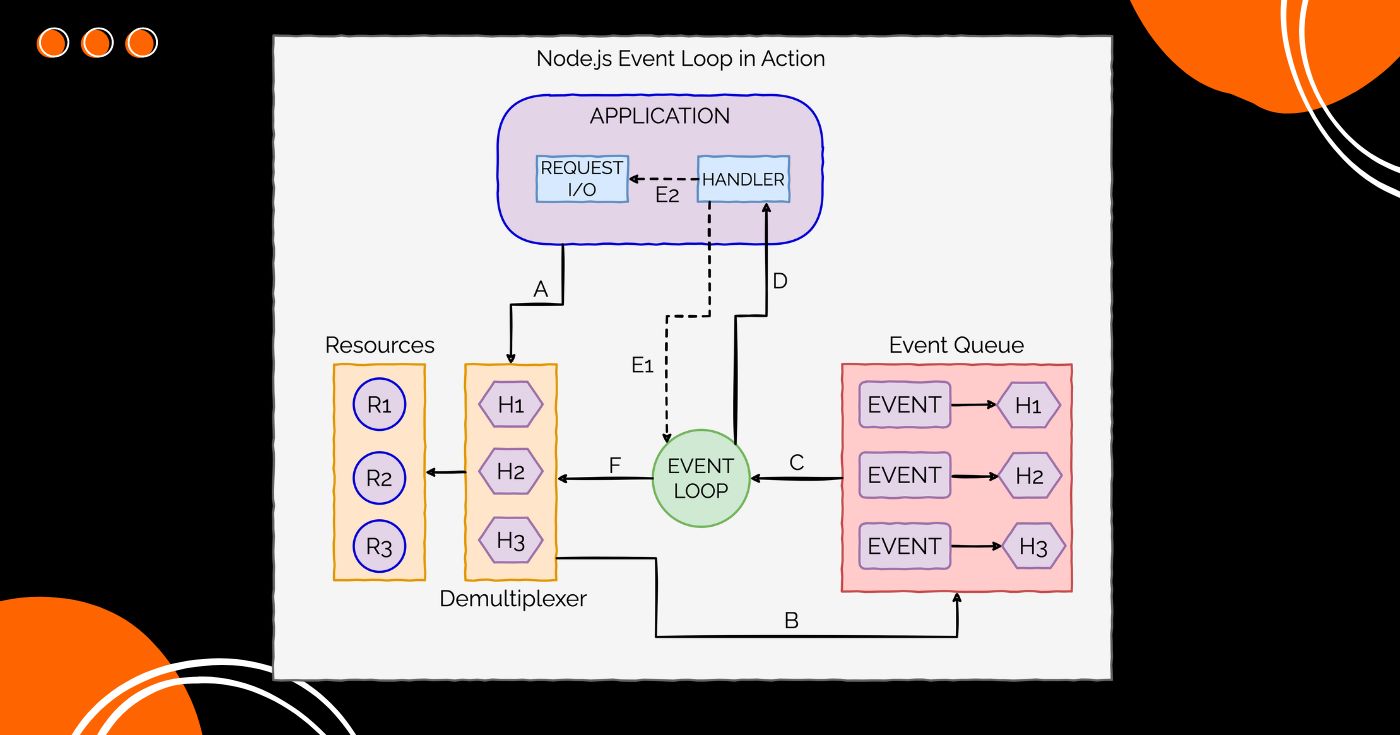
Ever wondered how Node.js handles multiple requests despite being single threaded? Find out the secret to concurrency in Node.js and how the event loop works
JavaScript implementation of so-called Seam Carving algorithm for the content-aware image resizing and objects removal. Dynamic programming approach is applied
Hello Readers! I’ve launched JavaScript Algorithms and Data Structures repository on GitHub with a collection of classic algorithms and data-structures implemented in ES6 JavaScript with explanations and links to further readings and YouTube videos.
Hello, guys, this is the third part of SOLID Principles in JavaScript and if you haven't read the previous two (first part and second part), I highly recommend to read them first and coming back here.
In this 5th instalment of my “Node JS Performance Optimizations” series, I show you how to increase Node JS performance with thread pool management. We achieve this by understanding how Libuv works, how the thread pool works and how to configure the number of threads based on your machine specs.
JavaScript is on the list of requirements for a position as a web developer in any IT company at the moment. It is hard to imagine building modern web applications without JavaScript. This programming language provides IT specialists with an effective and relatively easy way to create interactive applications able to comply with the tastes of any picky customer. The choice of the JS libraries and frameworks adds dedicated followers to this language.
There is a lot of information about different JS features.
I want to tell you about equally useful, but less popular tips for working with this language!
These are my personal picks of learning JavaScript in 2020, I picked all of these resources myself, most of them are my favorites and I also used them while learning.
JavaScript is changing fast with a lot of new and exciting features to help us - developers write code better and better. Let's check these latest features.
I won’t make the intro too long. I will shortly introduce you to the Material Framework and mention our traditional criteria for evaluating dashboards/admin templates.
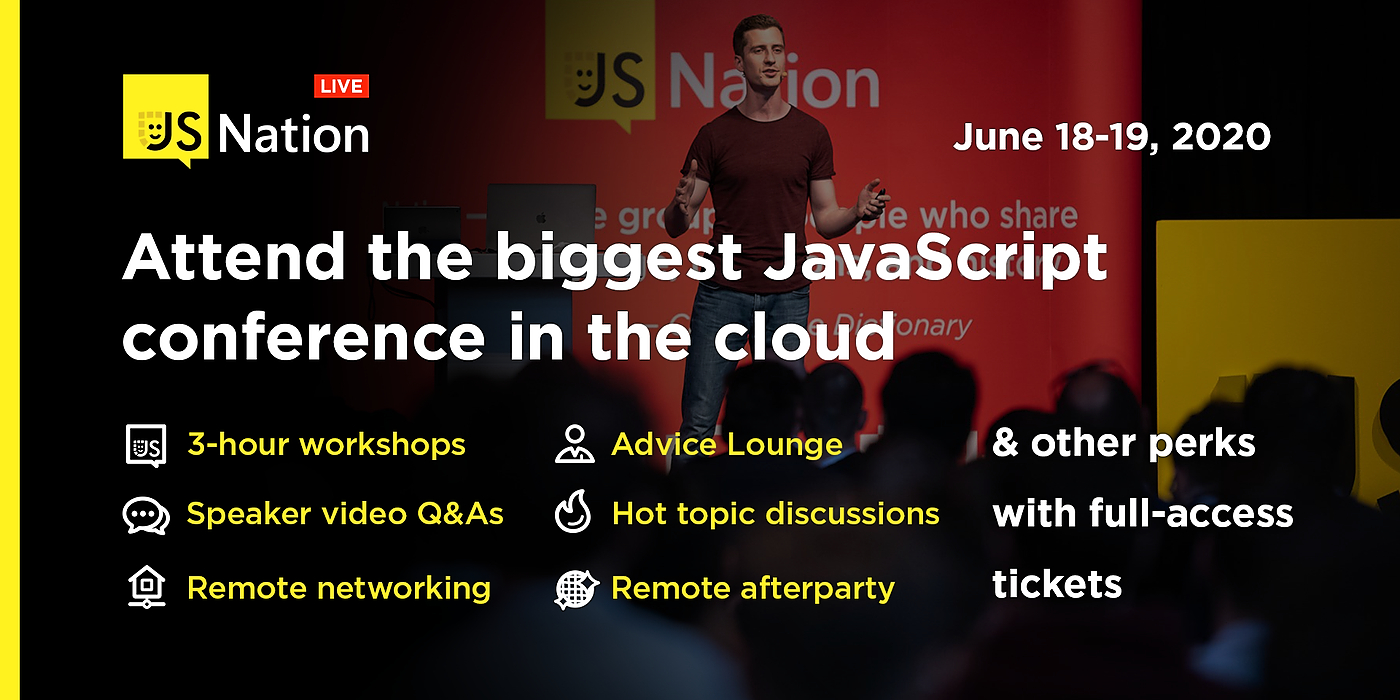
Would you like to know the future of the JavaScript ecosystem and get connected to a stellar crowd? To help you stay up-to-date on the latest JS tech, the GitNation team has come up with a new remote event taking place on June 18-19, 2020. JSNation Live, their 2-day event on all things JavaScript, will gather 25 thousand software engineers, making it the biggest JavaScript conference in the cloud.
Hello, guys. This is the second article about SOLID principles with Javascript examples. In my previous article I described what are patterns in general, what is SOLID and why we should use them. If you haven't read it, pls, read it now and continue read current article after the previous one.
Recently, I have been trying to expand my knowledge as a backend developer. I want to understand solving problems at scale and also breaking down big tasks into little chunks of tasks.
In my student years everybody around me mocked JavaScript. Being part of the tribe, I have never really tried to learn JavaScript. I used quick and dirty solutions, copied code from Stackoverflow, without really understanding it and hoped it will not break. It changed after my first full-time job.
Python and JavaScript are two of the most used programming languages. Even though both are object-oriented programming languages, they have different scopes.
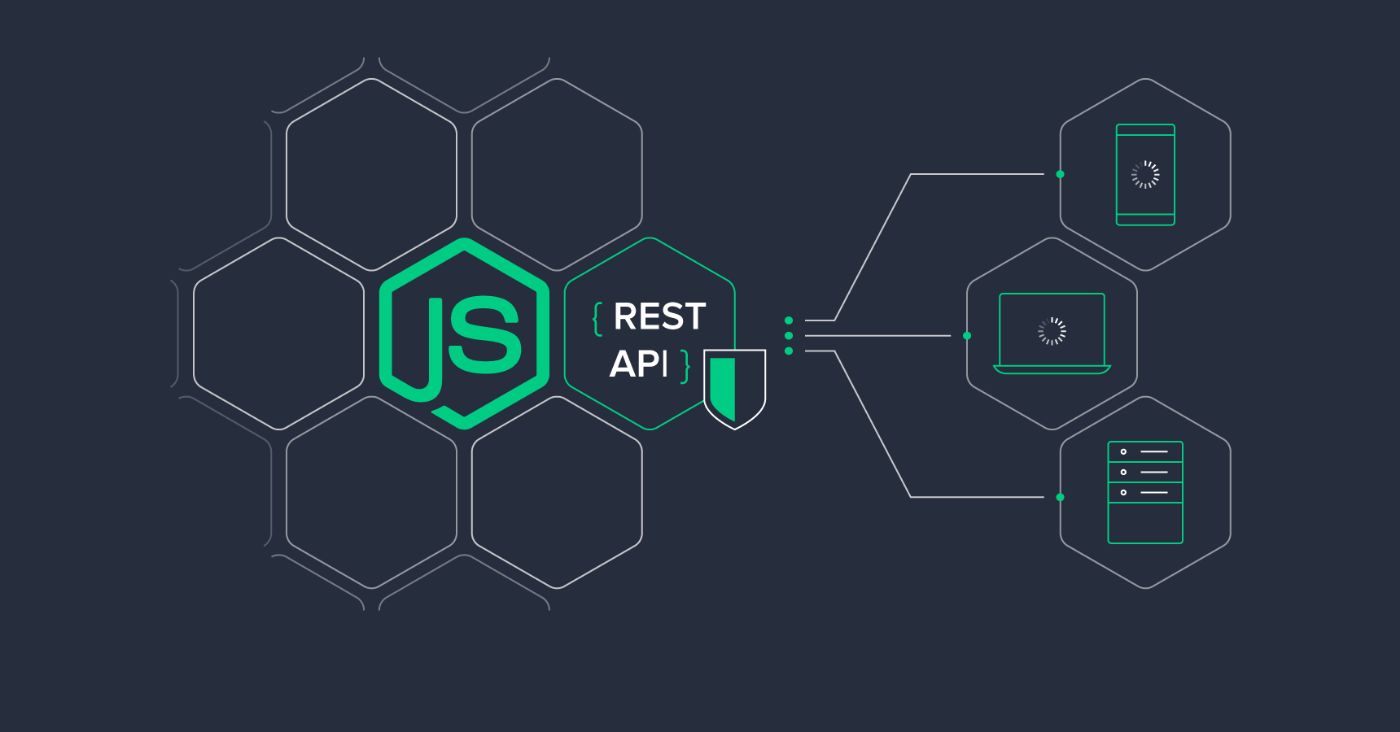
Take your Node.js skills to the next level with our top 10 library picks! Streamline workflows, optimize performance, and stay ahead of the competition
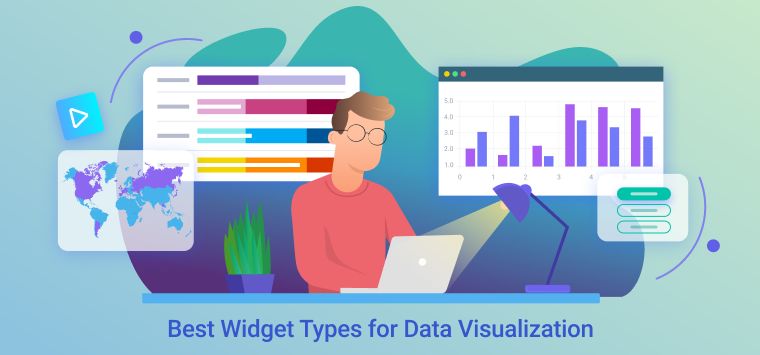
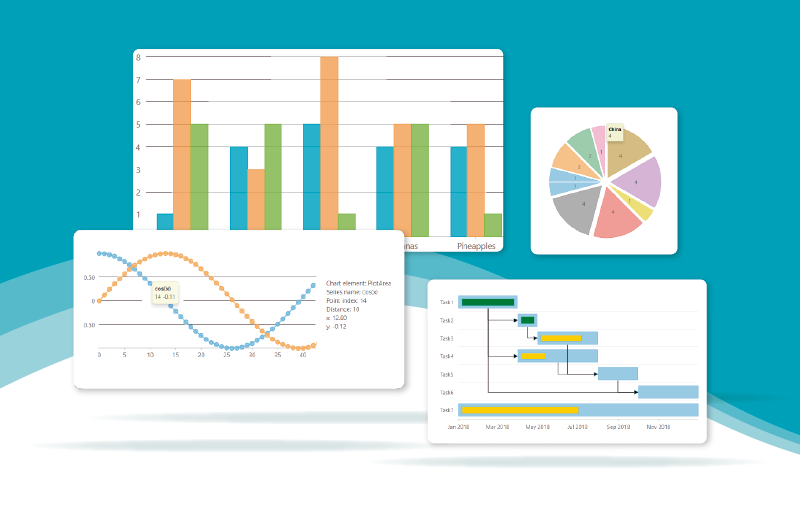
Data Visualisation is an incredibly important part of conveying information in the world. Getting the best widget types for Data Visualisation is a part of that
JavaScript statements give us a energy to implement opposite forms of proof in a code. JavaScript provides us with several of them, all of that has a possess purpose and syntax. Among a many obvious examples we can find countenance statements, iteration statements, redeeming statements, and more
Today, I would like to show you how to execute custom JS code in another Node.js process and to get a proper result. These are relatively simple code examples, which demonstrate basic ideas of native code calls with the help of Frida framework.
Responsiveness is usually achieved through the use of asynchronous functions. This means that you can let your code do several things at the same time.
Hello, guys, this is the last part of SOLID Principles in JavaScript and if you haven't read the previous three (first part, second part, third part, fourth part), I highly recommend to read them first and come back here.
In this blog post, we will take a deep dive into how JavaScript functions really work. We’ll discuss concepts like higher-order functions (HOF), execution conte
Exploring Object Literals, Properties, Methods, and Object Destructuring, Custom constructors, Mechanism for inheritance and object, and Built-in Objects.
Axios was compromised in a major supply chain attack affecting 100M+ installs. Learn what happened and how to migrate safely to axios-fixed in minutes.
Metho allows you to safely 'monkey patch' any object with new capabilities and dynamic properties. Great for extending the functionality of native JS prototypes
JavaScript Loop is a fundamental part of any programming language, and JavaScript is no exception. JavaScript loop is a powerful tool that allows developers ...
Node.green is a website that provides a comprehensive and easy-to-use resource for tracking the support for ECMAScript (ES) features in different versions
If you have understood the discussion so far, you should feel confident in your capacity to discuss closures when asked about them during your next interview.
This post introduces a deep dive video tutorial where I teach you the fundamentals of Node-RED and at the same time, show you how to build a Weather dash
Idempotency is an essential tool for preventing duplicate operations, improving API stability, and ensuring consistent behavior in unsafe HTTP methods.
Recently at a meet-up there was a talk on writing Cucumber feature files in Cypress, a question was posed to an audience of around 100 - "Who here has tested their stuff with Cucumber?" to which a mild hubbub felt quite negative including a couple of guffaws and scoffs from the back.
It's so important how web UI is designed because people perceive images better and quicker than words. Luckily, most of the IT heads understand the value of an eye-catching UI, but few of them realize the real power of it. Actually, web design does much more than you used to think.
Here is the easy and simple way to understand call, apply, bind in JavaScript. With these simple examples, you'll never confuse again with these methods
You’ve probably used map, reduce, and other functional methods in Javascript before, but there are a few use cases you probably haven’t thought about much or used before. In this post, I’d like to go over these methods (and a few other surprises!) to show what’s possible.











































 Want to make your own classic arcade game?