You signed in with another tab or window. Reload to refresh your session.You signed out in another tab or window. Reload to refresh your session.You switched accounts on another tab or window. Reload to refresh your session.Dismiss alert
Let's learn about K8s via these 121 free blog posts. They are ordered by HackerNoon reader engagement data. Visit the /Learn or LearnRepo.com to find the most read blog posts about any technology.
K8s, or Kubernetes, is an open-source system for automating deployment, scaling, and management of containerized applications. It matters by providing a robust platform for orchestrating microservices, ensuring high availability, and streamlining cloud-native development.
Let’s say you want to do more with Kubernetes than run off-the-shelf apps. Perhaps you want to stitch apps together into a bespoke platform. Imagine that when your user clicks a button you want to provision a new database or open up a new public-facing endpoint.
Recently, NSA updated the Kubernetes Hardening Guide, and thus I would like to share these great resources with you and other best practices on K8S security.
This guide will walk you through the process of setting up Jenkins on Kubernetes. Jenkins is a widely-used open source CI server that provides hundreds of plugins to support building, deploying and automating your projects.
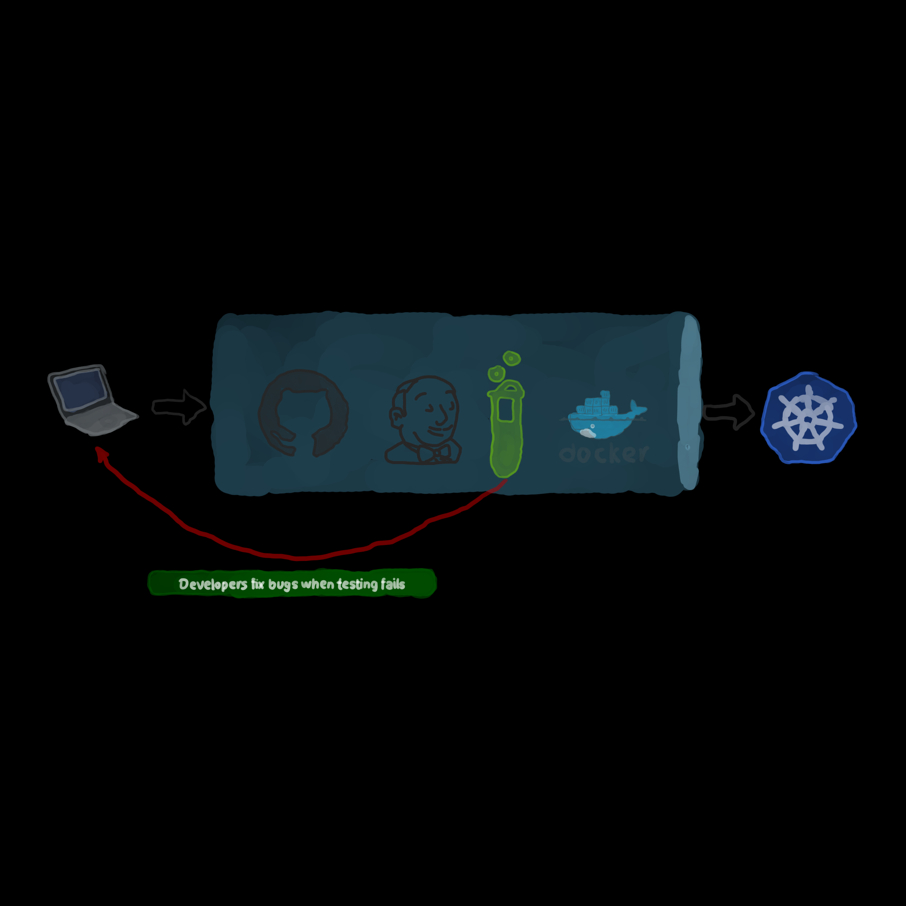
Jenkins down? Pipelines broken? Hackers making off with your data? It often stems from one fatal flaw. While Jenkins has been both loved and hated for being DevOps duct tape, every user knows there are plenty of issues to deal with. Over the past three years, as part of my work at Codefresh I’ve been helping teams migrate from Jenkins and I’ve seen all of these issues over and over again. The biggest issue may surprise you because it creates a cascade effect.
With the increasing popularity of containerized applications, the container orchestration platform Kubernetes has become a must in the toolset of a developer.
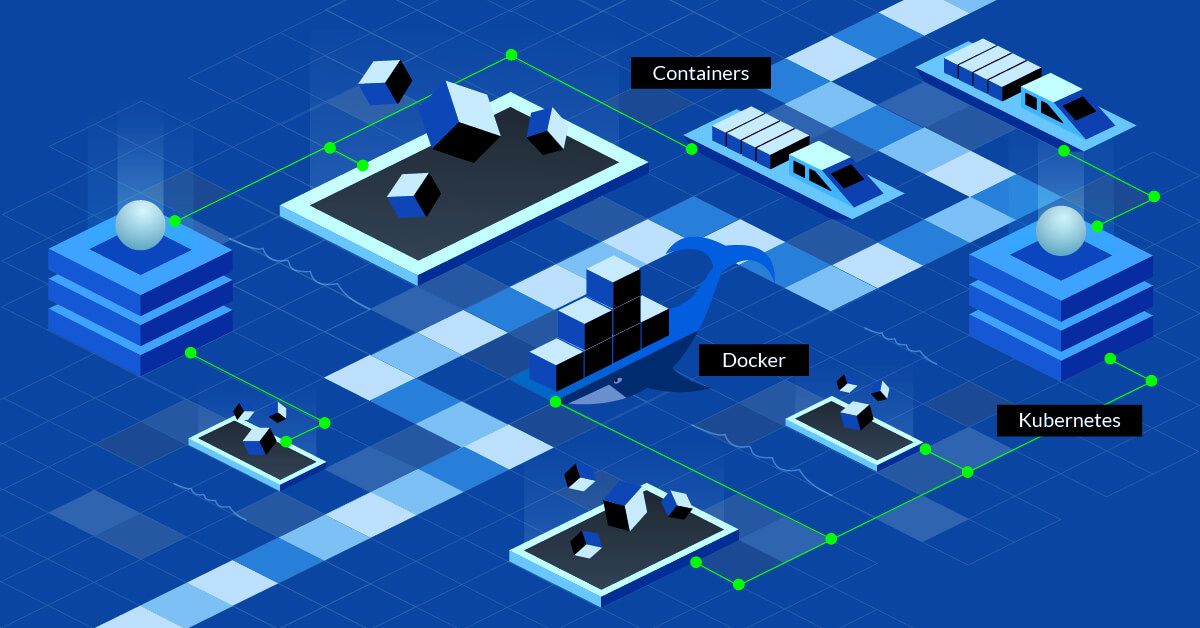
Learn about Docker and Kubernetes container solutions, and discover the differences between Kubernetes and Docker to choose the one that best suits your needs.
Kubernetes is now the de-facto standard for container orchestration. With more and more organizations adopting Kubernetes, it is essential that we get our fundamental ops-infra in place before any migration. This post will focus on pushing out new releases of the application to our Kubernetes cluster i.e. Continuous Delivery.
Those who work with kubernetes often encounter resource quotas, such as cpu, memory, but few people know that these are not all quotas and what their mechanism is built on.
Docker and Kubernetes are powerful tools that can help you in aligning your Machine Learning production cycles with the business operations requirements.
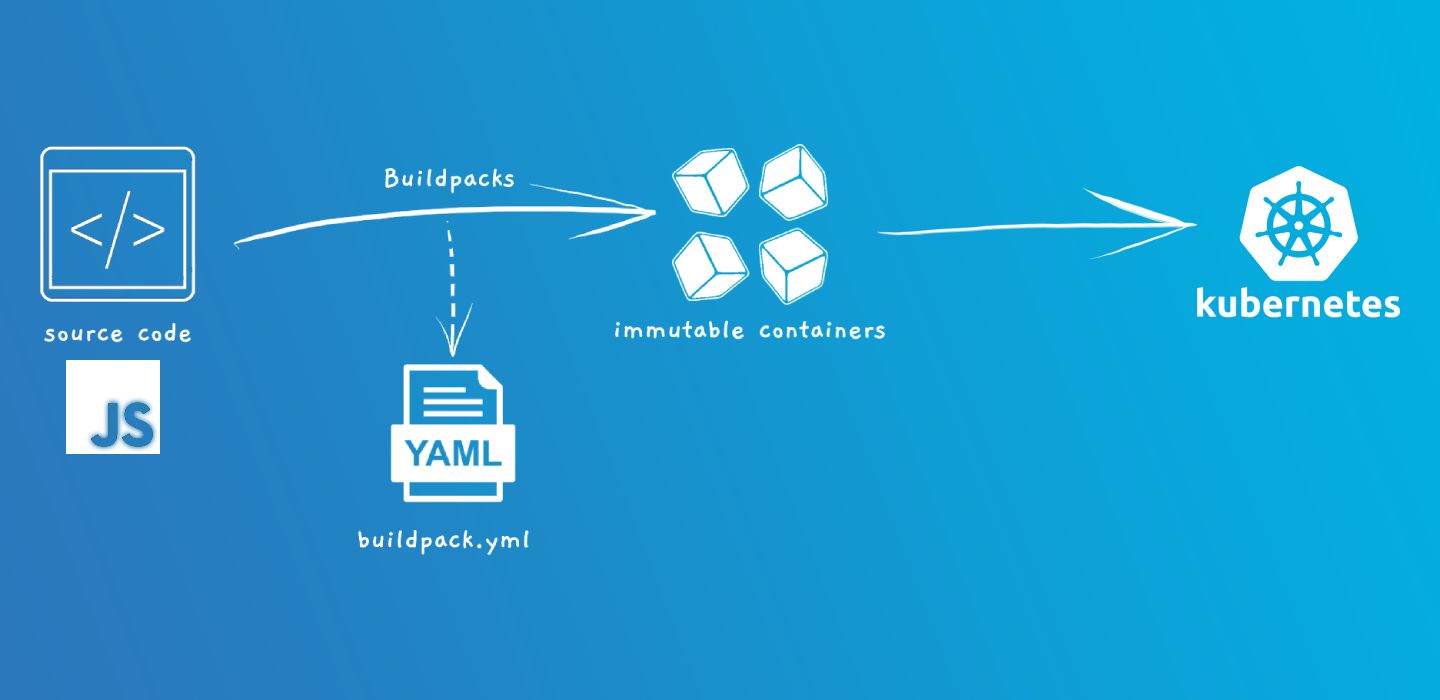
The Cloud Foundry project cf-for-k8s, along with a Cloud Native Buildpacks implementation called Paketo Buildpacks, can provide a path for JavaScript applicatio
We’ve been talking about migrating workloads to the cloud for a long time, but a look at the application portfolios of many IT organizations demonstrates that there’s still a lot of work to be done. In many cases, challenges with persisting and moving data in clouds continue to be the key limiting factor slowing cloud adoption, despite the fact that databases in the cloud have been available for years.
So recently I got involved with an ASP.NET project which was build over 10 years ago and over the years Developers and Change Requests came and went. And over the period the Application became quite cumbersome and quite hard to understand and manage, the Application became quite large in terms of functionality, codebase and data.
This blog covers additional factors you should take care of to successfully deploy Kubernetes cluster in production alongwith choosing a managed cloud. Read on.
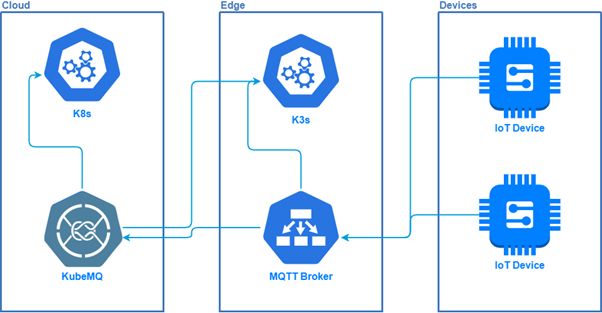
The millions of devices that currently make up the Internet of Things (IoT) reside not in the cloud but on-premises: from retail stores to factory floors.
In this post my plan is to create open tcp port scanning tool, use GO and worker pool to make it very fast. Expose it via REST resource, containerise and deploy
kubectl can pull a lot of data about our deployments and pod. Most of the time, we humans are the recipients of that information, and kubectl obliges by nicely formatting things in pretty tables.
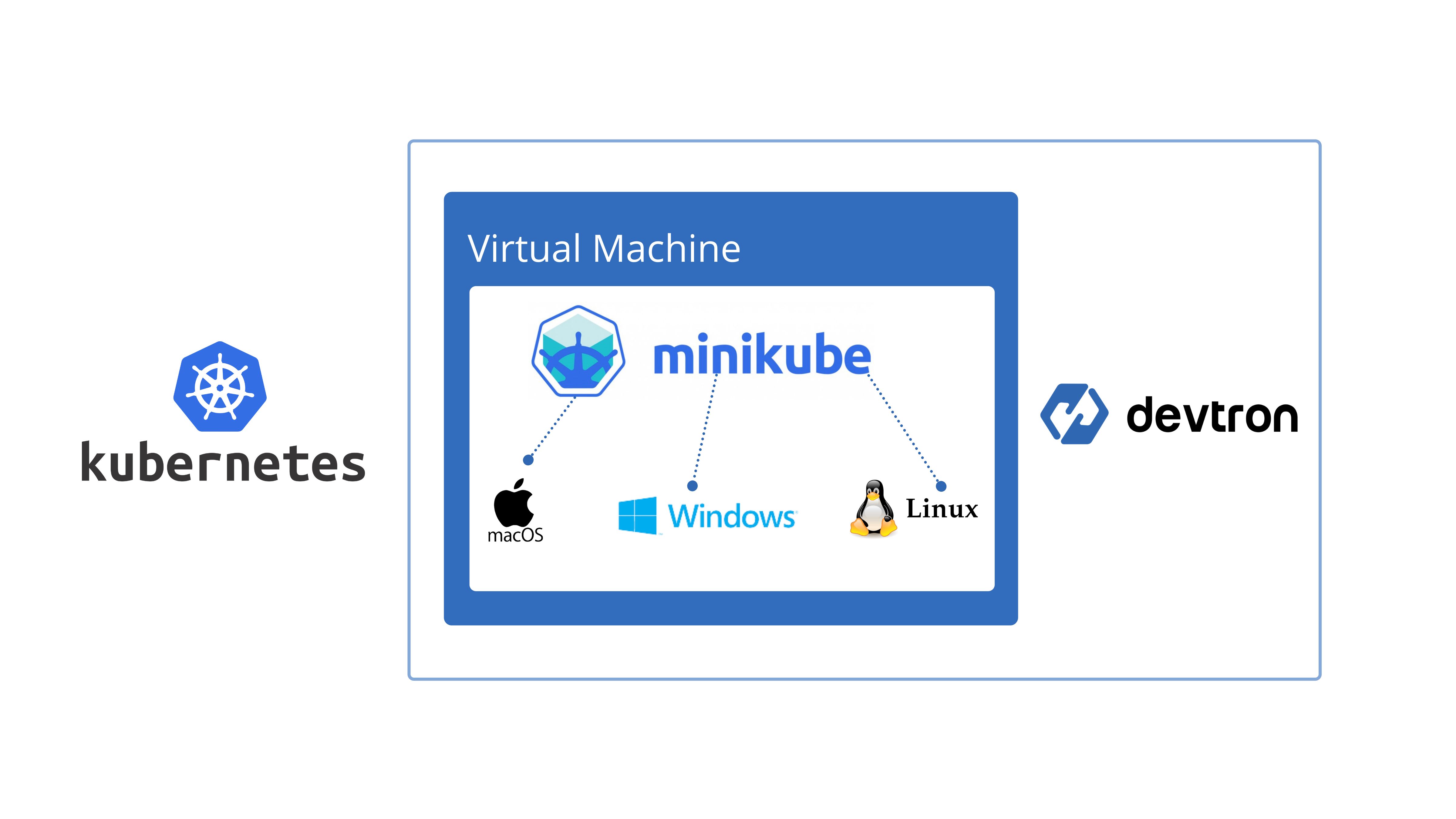
Installing Devtron - An opensource Heroku-like platform over k3s - lightweight kubernetes. Devtron is an end-to-end software delivery workflow for Kubernetes
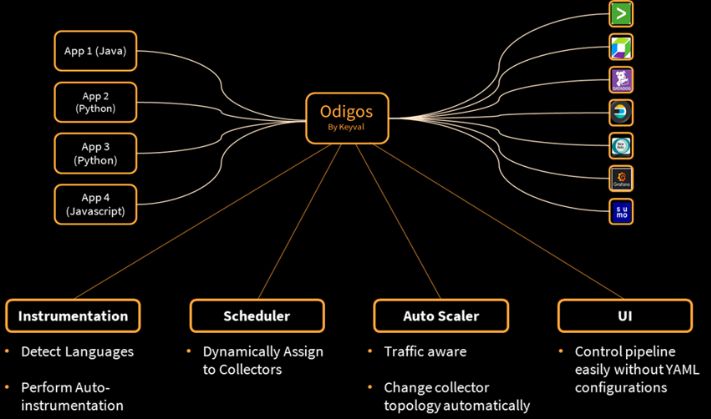
Without proper implementation and continuous configuration of your collectors, observability tools will be limited at best at best and many times ineffectual.
Debugging on K8s is hard
The main reason that makes Kubernetes observability so difficult is the volatile and dynamic nature of workloads and resources.
By nature, pods in Kubernetes clusters are ephemeral. They can be created, killed, and moved around by the scheduler. This may occasionally cause disruption in the microservices if pods are not configured properly.
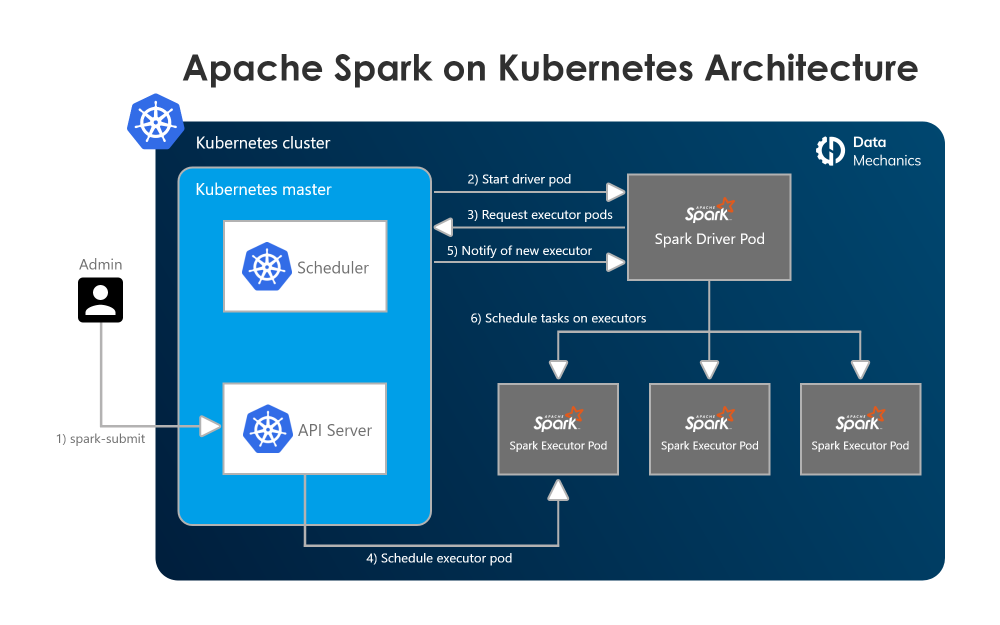
Earlier this year at Spark + AI Summit, we had the pleasure of presenting our session on the best practices and pitfalls of running Apache Spark on Kubernetes (K8s).
Continuous Integration/Delivery (CI/CD) is one of the most obvious candidates for moving to a Kubernetes cluster, as you automatically enjoy all the benefits of Kubernetes scalability. In traditional CI solutions, companies employ a fixed set of build nodes that teams must manually monitor and upgrade.
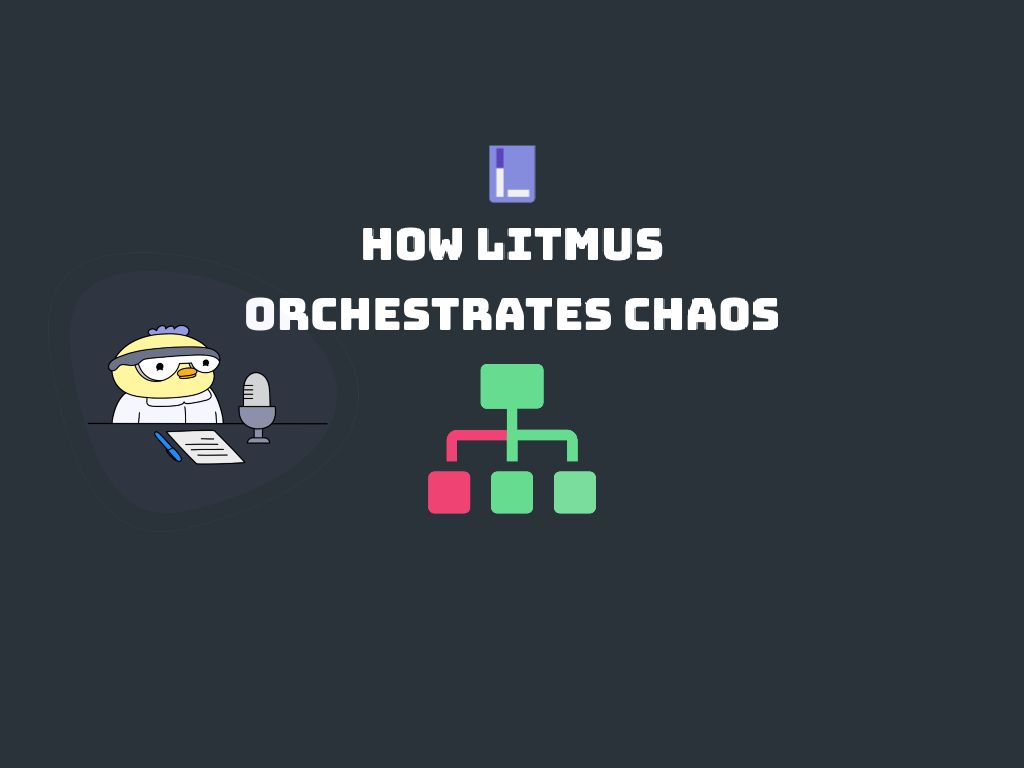
Litmus is a Cross-Cloud Chaos Orchestration framework for practising chaos engineering in cloud-native environments. Learn how chaos is orchestrated with Litmus
A messaging platform that was purposefully built utilizing Kubernetes is a crucial component to successful deployments in hybrid and edge environments.
Primary focus of Developer is to write code. Build, Test and Deploy of the application are better left to be managed by tools. skaffold can help in automating some of mundane tasks that comes with using kubernetes.
Stretching as far back as version 1.8 (in September of 2017), Kubernetes has supported a fine-grained access control mechanism called RBAC. Nothing gets done via the Kubernetes API that isn't governed by some sort permission or another, and there are a lot of them.
This blog post demonstrates how you can use the Operator Lifecycle Manager to deploy a Kubernetes Operator to your cluster. Then, you will use the Operator to spin up an Elastic Cloud on Kubernetes (ECK) cluster.
When you deploy stuff for a living, you find yourself waiting around, a lot. Wait for Terraform to spin up the AWS VPCs. Wait for the Kubernetes cluster node VMs to boot. Wait for the Kubernetes cluster to coalesce. Wait for the CNI pods, DNS pods, and kube-proxy bits to be happy. Wait, wait, wait.
In this tutorial, we'll explore everything you need to know about Kubeadm commands and how to use them to create & manage cluster components in Kubernetes.
Why IT executives should consider using Kubernetes in 2021 and what is its real value for business? Find real-world use cases and expert advice on adoption.
If there's one thing that Kubernetes makes easy, it's creating resources – pods, deployments, volumes – before long you'll have tons of them lying around.
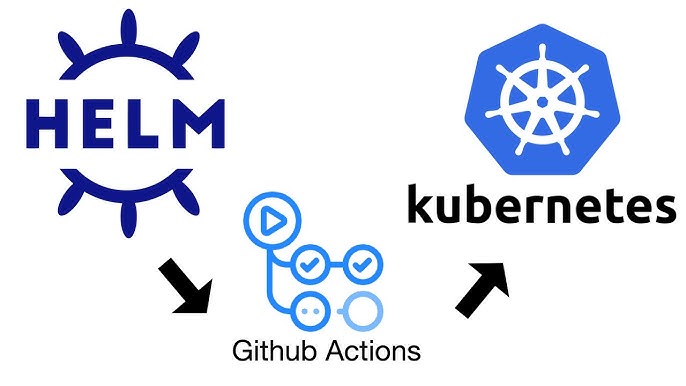
This is how to make use of Helm Charts with Configurator, a versioning & sync service for Kubernetes ConfigMaps that can make it easier to use ConfigMaps.
Application migration to Kubernetes is a hot topic today. I discuss 8 things developers forget during migration to Kubernetes and how to deal quickly with them.
This article demonstrates how you can use the Operator Lifecycle Manager to deploy a Kubernetes Operator to your cluster. Then, you will use the Operator to spin up an Elastic Cloud on Kubernetes (ECK) cluster.
The building block of almost all Kubernetes deployments is the pod – one or more containers sharing a network stack. Pods are where the magic happens, where we get our logs, and where we spend most of our time troubleshooting outages and malfunctions.
Amy Tom talks to Anil Kumar, the Product Manager at Couchbase, about becoming a Product Manager, writing his book, and creating a multi-cloud strategy.
UNIX/Linux system administrators the world over regularly use log files to get to the bottom of outages and malfunctions. An indispensable tool in that regard is tail(1), particularly its follow mode flag (-f). When we're in a Kubernetes world, we'd love to use something similar.
Kubernetes has become the de-facto standard for managing containerized applications. However, this usage also led to an increased attack surface for K8s.
Kubernetes security is more important than ever, and should be top-of-mind for most teams. Let’s walk through the latest in k8s security solutions from KubeCon.
Nowadays, the successful application often consists of containers and some sort of container management system to ease scaling, reduce downtime, and more.
In the last several years, Kubernetes has become the “go to” standard for managing and orchestrating containerized workloads. Thanks to it’s vendor agnostic nature, you can easily run Kubernetes almost anywhere, and in fact, all the major cloud vendors offer a managed Kubernetes service (AWS EKS, Google GKE, and Azure AKS).
You write a great script for interacting with Kubernetes. It would be great if you could pretend that your script was officially part of the kubectl repertoire.
Welcome to this tutorial series, where we will evolve from the anatomy of a container inside the Linux Kernel, and will keep building pieces and evolving till the publication of a service into an Orchestration Platform. The general idea is to detail as much as possible (without being massive) how is things working under the hood.
Kubernetes is the reason containerization has garnered acceptance among enterprises. Whether you like it or not, it has made your life as a developer easy.
If you have embraced the concept of cloud-native computing and principles, you are ahead; you are on the right path in today’s advanced and competitive IT environment. But we need to understand one thing that, moving your development environment and processes to a cloud-native environment can be daunting and challenging. Anybody can merely advise you to move from a monolithic application to a microservices architecture, but from where and how are the questions that need critical analysis.
The last two decades have seen a sea change in the way software is written and delivered. Waterfall to iterative to agile, native to hybrid to responsive interfaces, monoliths to microservices, installed to pay-as-you-go SaaS, data centers to private and hybrid clouds, and virtual machines to containers. As the market constantly evolves, enterprises are facing a ton of choices with increasing complexity.
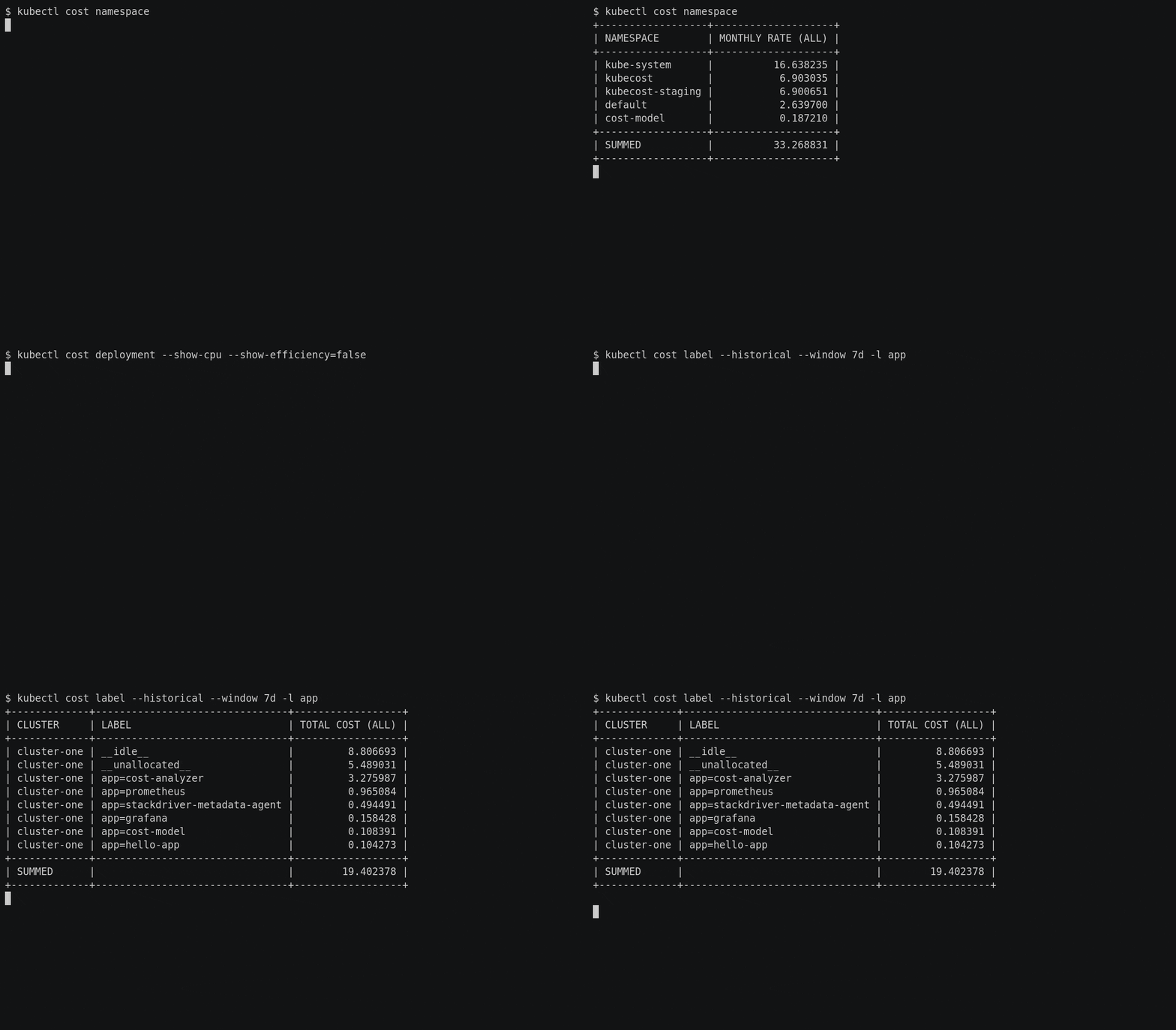
Kubectl cost is an open source kubectl plugin designed for those who interact regulary with Kubernetes and need to control the costs of their infrastructure.
kubectl can pull a lot of data about our deployments and pod. Most of the time, we humans are the recipients of that information, and kubectl obliges by nicely formatting things in pretty tables.
So, I was looking at an alternative to Azure DevOps and Jenkins to build a CI CD pipeline for a new project. A friend had asked me for a recommendation. His wanted to host microservices in Oracle Kubernetes Service.
Security has become a primary consideration for any technological solution. Here are the NSA's recommendations for securing Kubernetes against hackers.