You signed in with another tab or window. Reload to refresh your session.You signed out in another tab or window. Reload to refresh your session.You switched accounts on another tab or window. Reload to refresh your session.Dismiss alert
Let's learn about Mongodb via these 114 free blog posts. They are ordered by HackerNoon reader engagement data. Visit the /Learn or LearnRepo.com to find the most read blog posts about any technology.
MongoDB is a popular NoSQL document database. It matters because its flexible document model allows for rapid development and handling of large volumes of unstructured data, making it ideal for modern web applications and scalable data storage.
Recently I needed to delete some documents that I saved in MongoDB after some time. I can think of a few examples of why we would want to delete data after some time:
This project serves as a guide/template for a 3-tier architecture. If you are entirely new to Web Development. I highly suggest you watch this video first.
Here at Stream, we power activity feeds for 300+ million end users and love playing around with ways to utilize our product in all sorts of use cases. Most recently, we built Winds, an open-source RSS and Podcast application with a strong focus on UI and UX.
This post is about what to expect from Laravel Sail, how it works and how to make the most of it; it is also a plea to developers to break away from it.
There are lots of tutorials about user authentication but all of them are just covering the topics like how to sign up and how to sign in. Even if you find a tutorial about reset password then you will see that it covers old school method without APIs and using jQuery based front-end. In this tutorial, we are going to use a Node.js based API which will connect to Angular front-end. Let’s get started:
Here, we have designed and developed a flow for OTP(One time password) for user registration and also blocking a user's account after the maximum retries for incorrect otp is exceeded.
Learning MongoDB has been one of the things in my checklist for the past 6 months but hasn’t gotten around actually learning it until now. In order to understand writing queries and all I figured it’ll be better to make something instead of just reading and watching some tutorials. So, I’ve decided to make a user registration API i.e, a simple registration form kinda thing with only sign up and sign in functions as of now. As learning Mongo was the main intention, I’ve decided just to make the core app which is the backend functionality and no front end as it’s not necessary and I hate to do it.
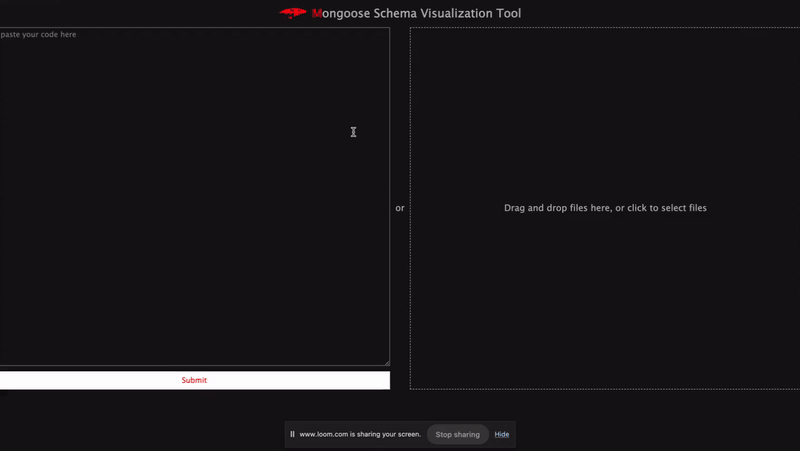
Looking for MongoDB data visualization tool? There are plenty of options but firstly its better to explore what kinds of solutions there are on the market.
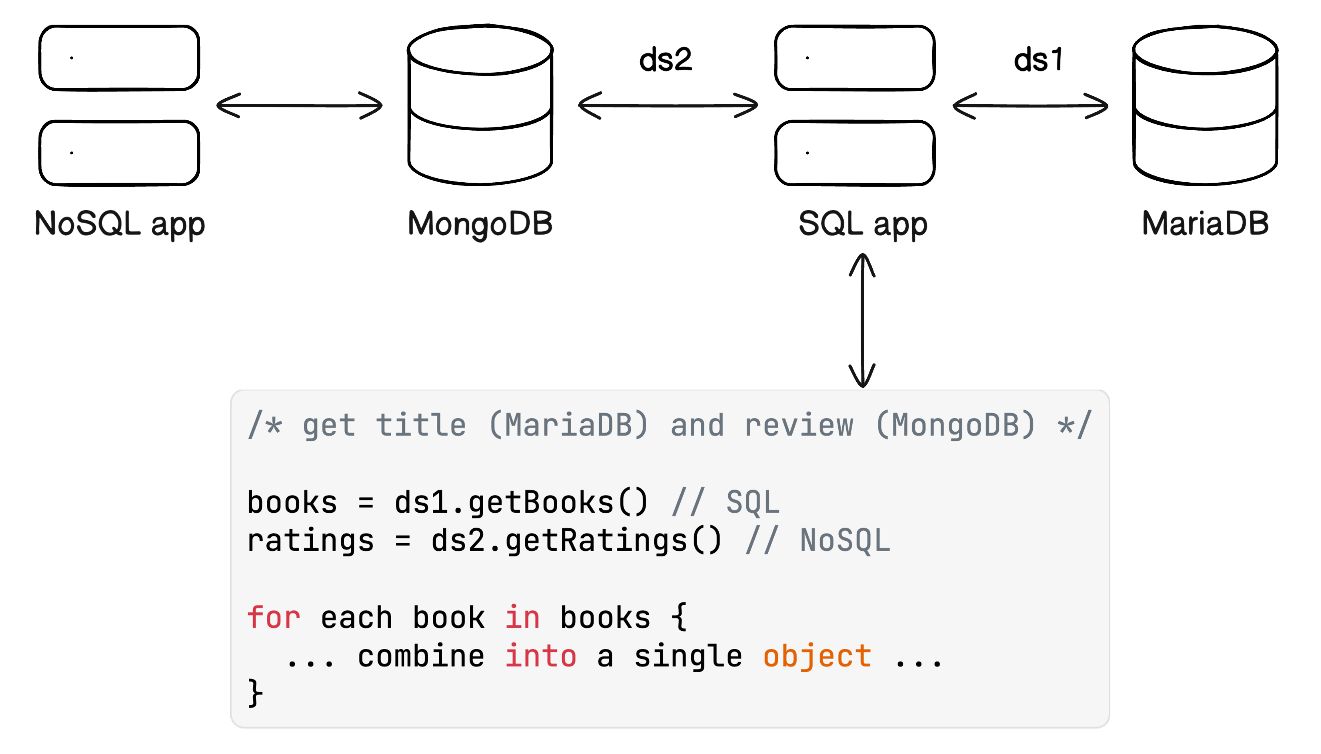
Microservices are about decoupling your system. In a monolith, you build all the components of the software in one large codebase and deploy the software at once. But in the microservice world, we build each component of a large system decoupled from each other.
I was very much interested in developing distributed systems and the like. But it was very difficult to find related beginner articles. One of my projects was a cloud drive. In order to implement that, i had to go many places i haven't. It had a good steep learning curve. I wanted to share that knowledge.
So, I’m going to summarize the above blog post for you because I had to read it several times to grasp everything. So, what exactly are MongoDB and Cassandra?
When you think about database providers for ASP NET Core apps, you probably think about Entity Framework Core (EF Core), which handles interacting with SQL databases. But what about the NoSQL options? A popular option for NoSQL is MongoDB. So in this article we're going to learn how to create a simple ASP NET Core CRUD API using MongoDB as the database provider.
How to implement server-side pagination in MongoDB using aggregation pipeline instead of client-side pagination and why you should do it server-side instead.
Wondering which databases are trending in 2019? We asked hundreds of developers, engineers, software architects, dev teams, and IT leaders at DeveloperWeek to discover the current NoSQL vs. SQL usage, most popular databases, important metrics to track, and their most time-consuming database management tasks. Get the latest insights on MySQL, MongoDB, PostgreSQL, Redis, and many others to see which database management systems are most favored this year.
Most of us have gone through tough times where you have a large scale application which has a bunch of features, API integrations, database connections, etc. New features and updates get released, and of course you need to fix the bugs and maintain the code.
Implementing a good GraphQL backend to serve your database data is not an easy task, you have to implement a lot of resolvers, add authorization, pagination of the fields and use a DataLoader to not repeat your database queries during relations.
Enterprises and customers are spread worldwide, with everyone wanting to work with the same data. MongoDB stores your data in an efficient and structured way.
Distribute a MongoDB collection fast, "reshard-to-shard" distributes data quicker than others methods, spreading your workload across multiple shards in hours.
APIs are in high demand. Making an API that companies want to use would be even better if you could sell it, too. This is how to do it with every step inside.
Guys, today we’ll be learning how to integrate Sanity CMS into our Node.js application, and we will in this guide, we will explore how to handle file uploads.
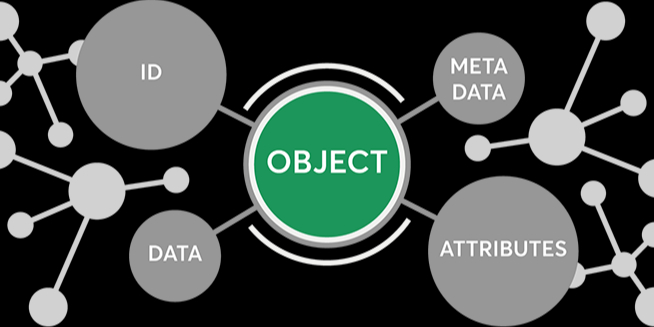
MongoDB is a document-based NoSQL database, typically used for its ability to quickly scale, especially large amounts of data. MongoDB has two clear main benefits over SQL when it comes to data organization:
Deep dive on how we got our MongoDB load at a steady sub 50% CPU load by using an SQS layer between our Node application and the database to save costs.
Coronavirus (COVID-19) which is an infectious disease caused by respiratory illness and symptoms like flu, cough, fever, difficulty breathing, on December 31, 2019, the first case was recorded in Wuhan, China and later the virus got spread around the world and as of now, around 1 million+ confirmed cases are being recorded since then.
You can protect yourself from this virus by following basic precautions like washing your hand frequently, avoid touching your face, maintaining a distance of (1 meter or 3 feet) between people and most importantly if you are sick then immediately call for medical help at your nearest hospital.
The InfluxBD Origin Story: How Paul Dix took a failing SaaS product and turned it into a successful commercial open source time series database company.
Today there are hundreds of SQL and NoSQL databases. Some of them are popular, some are ignored. Some are user-friendly and well documented and some are hard to use. Some are open sourced and some are proprietary. And, perhaps, the most important - some are scalable, optimized, highly available and some are difficult to scale or maintain.
Most new developers wonder which database is suitable for their project since they don't want to get off on the wrong foot. So, first and foremost, let's define a database. A database is a type of storage facility that electronically stores and organizes data so that it may be utilized and accessed later.
Take your Node.js skills to the next level with our top 10 library picks! Streamline workflows, optimize performance, and stay ahead of the competition
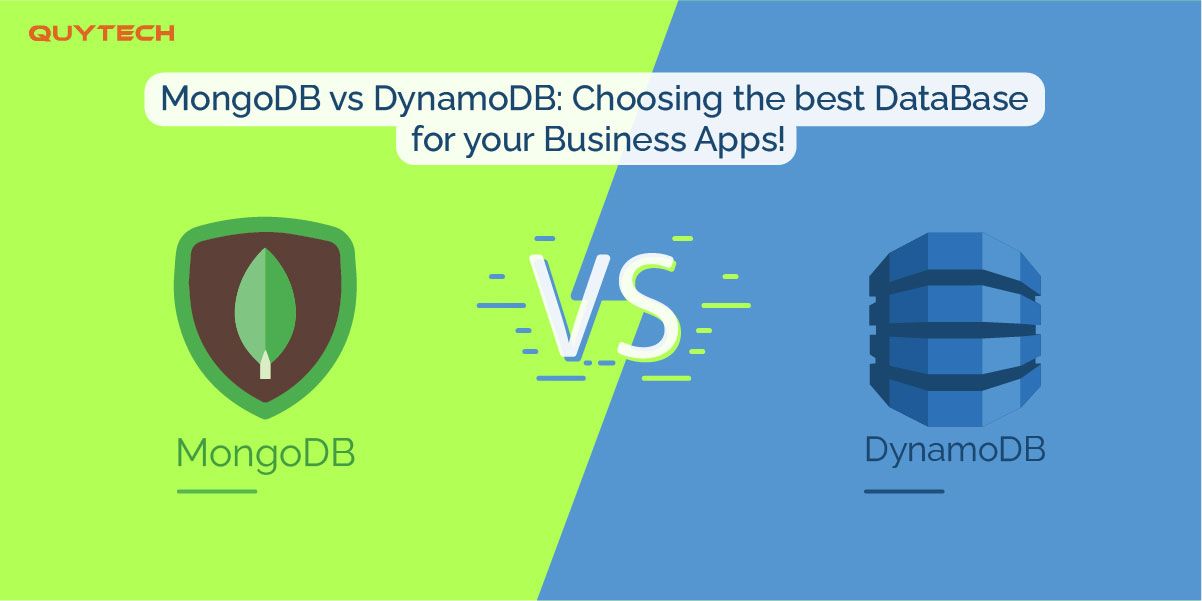
Are you trying to decide if you should use MongoDB or DocumentDB? With the recent controversy surrounding licensing with MongoDB, it can be confusing to decide which option is right for your company or project. Amazon decided the core MongoDB code is challenging to scale while remaining highly available. Amazon wrote their implementation, which is compatible with the Apache 2.0 open source MongoDB 3.6 API. MongoDB, Inc. has also recently changed their license to make future imitations more difficult. To do this, they created an entirely new license called the Server Side Public License.
Learn how to efficiently handle file uploads in Node.js using Express, MongoDB, and GridFS to ensure scalability, security, and seamless file management.
Working with a lot of data like products, orders, categories, users and payments is a very important topic when building e-commerce applications. In this post you'll learn the very basics of structuring your noSQL schema so it's fast and scalable for e-commerce scenarios.
An essential part of modern business, no matter what the industry, is Big Data - sets of copious amounts of data that reveal much in terms of trends and patterns regarding human behavior and interaction.
See code examples for how to delete documents from MongoDB in C#. This article covers the basics of different methods you can use to delete records from Mongo!
So, there are tonnes of jargon, commands, processes that we follow blindly after surfing from the internet without knowing the actual reasons and under the hood processes, that just remain in our short term memory and get purged eventually, thus we don't feel comfortable using or even about discussing in a group about them.
This text is a practical guide to performing basic operations in MongoDB. It focuses on essential topics like CRUD operations (Create, Read, Update, Delete)
Follow the quickstart to create a Django application, connect that application to a MongoDB deployment, and interact with the data stored in your database.
To illustrate the performance differences, I prepared a stress test using two scripts: one using Motor (asynchronous) and the other using PyMongo (synchronous).
In the following tutorial, I’ll show you how to create a basic analytics dashboard with Node, Express, and Cube.js. As a database, we’re going to use MongoDB with MongoDB BI Connector. If you’re not familiar with it, I highly recommend you go through the Building a MongoDB Dashboard tutorial. It covers the basics of setting up Mongo and its BI Connector.
This article provides a step-by-step guide on how to build and deploy a Task Manager API using popular technologies such as NodeJS, Express, MongoDB, and Heroku
The decision to choose a database for project is not that simple. But when it comes to choosing a database, the biggest decisions is picking a relational (SQL) or non-relational (NoSQL) data structure.
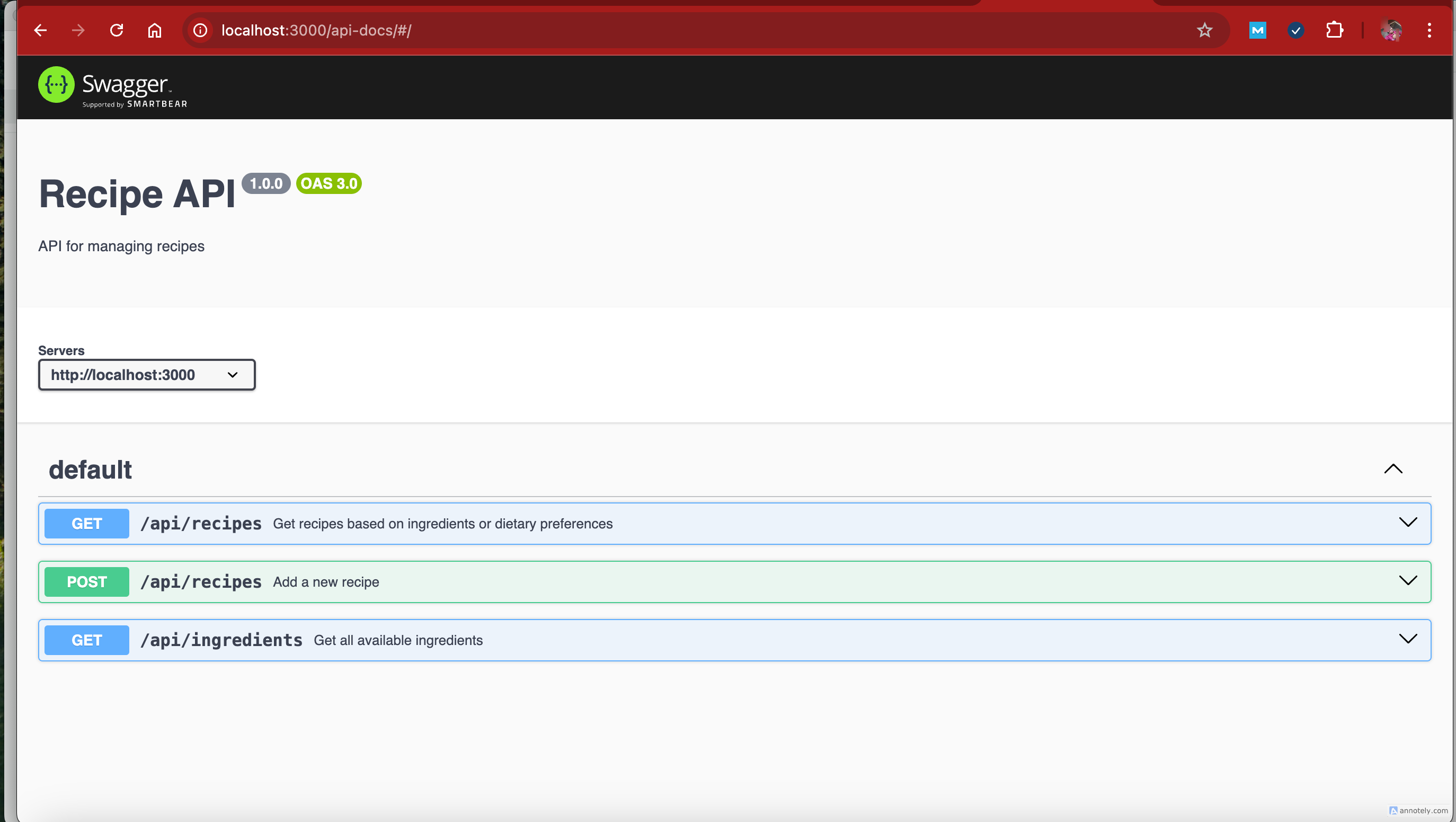
The Recipe Finder API is a versatile solution for efficiently storing and retrieving recipes based on ingredients, dietary needs, and other preferences.
Many of today’s web applications use node.js in conjunction with MongoDB to store and access data on the backend server. Not only does node.js excel in ease of access to non-relational databases like MongoDB, but brings scalability and speed to the server side of your app.
Web development is not the same it was in the early internet age. It is a fast-paced and diverse environment. With the continuous advancements in frameworks, programming languages and tools, it becomes difficult to choose the “right” tech to ensure rapid, accurate and secured web application development.
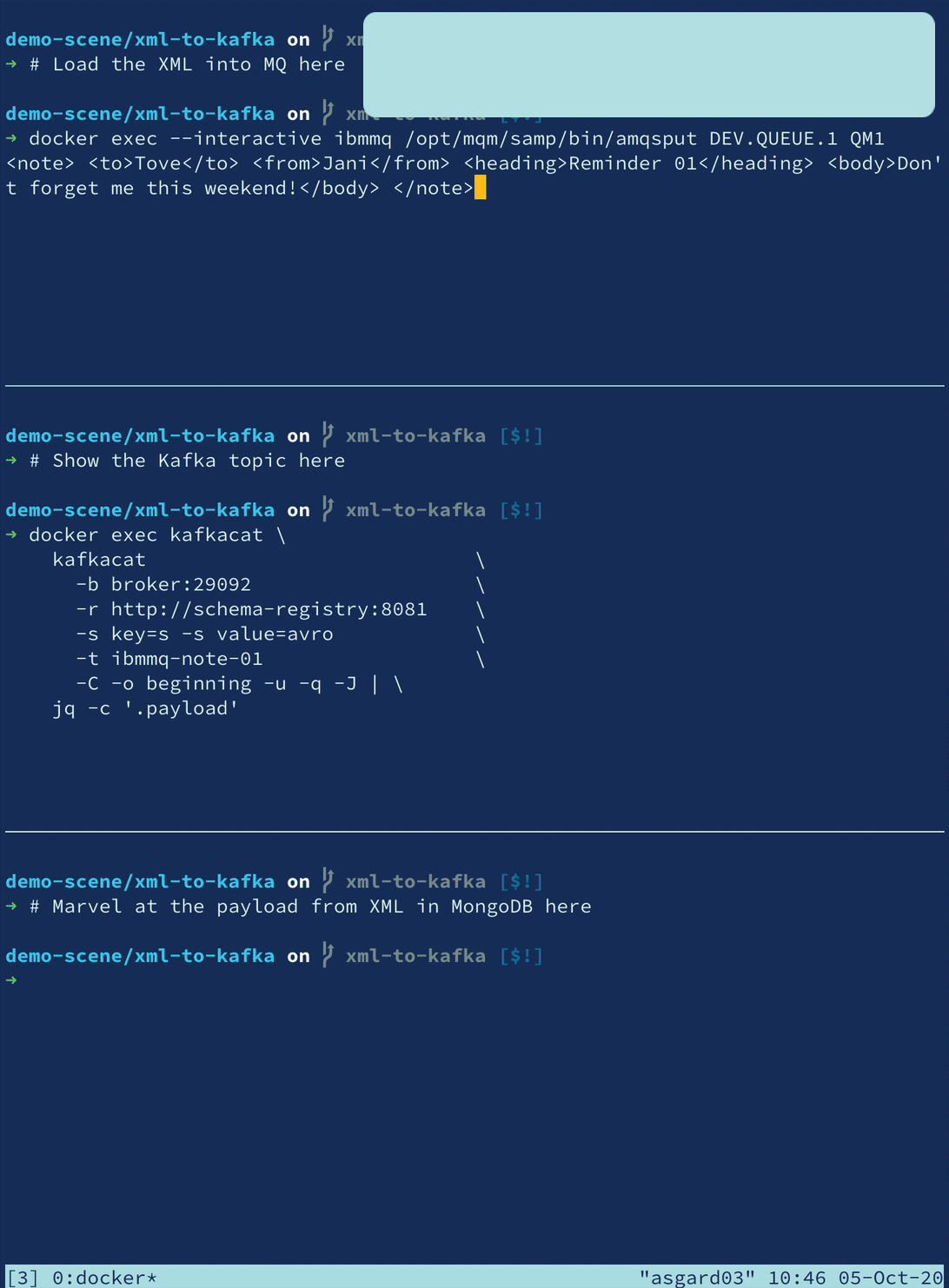
Let’s imagine we have XML data on a queue in IBM MQ, and we want to ingest it into Kafka to then use downstream, perhaps in an application or maybe to stream to a NoSQL store like MongoDB.
Learn the basics of MongoDB Filtering in C# with simple code examples! See how to use the MongoDB FilterDefinitionBuilder to support filtering in MongoDB.
Here, we have four roles: Sme, Sponsor, Admin, Operations.Initially, we had only 3 roles.Operations role was added later and Operations user has permissions similar to the Admin user.In the code, we had to replace every instance of if (user.type == USER_TYPES.ADMIN) with if (user.type == USER_TYPES.ADMIN || user.type == USER_TYPES.OPERATIONS).As this is time consuming and we can also miss many instances, we have created a roles module. In the roles module,the roles are defined along with their respective permissions as seen in Code (Part-III). Based on the permissions for each role, we will evaluate the authorization for the user in each of our controller methods.If the user has access, only then he will be granted the resources.
Local database setup is deceptively expensive. It introduces variance into your dev environments and bakes hidden assumptions into your codebase. I wanted every