You signed in with another tab or window. Reload to refresh your session.You signed out in another tab or window. Reload to refresh your session.You switched accounts on another tab or window. Reload to refresh your session.Dismiss alert
Let's learn about Nestjs via these 50 free blog posts. They are ordered by HackerNoon reader engagement data. Visit the /Learn or LearnRepo.com to find the most read blog posts about any technology.
NestJS is a progressive Node.js framework for building efficient, reliable, and scalable server-side applications. It leverages TypeScript and combines elements of OOP, Functional Programming, and FRP to provide a robust architecture.
These days REST API has become a web applications development standard, allowing to divide web development into two separate parts. There are several mainstream frameworks like Angular, React, Vue, that are used for UI. Backend developers are free to choose from large variety of languages and frameworks. Today I’d like to discuss NestJS framework. We’re going to create a simple CRUD application using Nest and the @nestjsx/crud package.
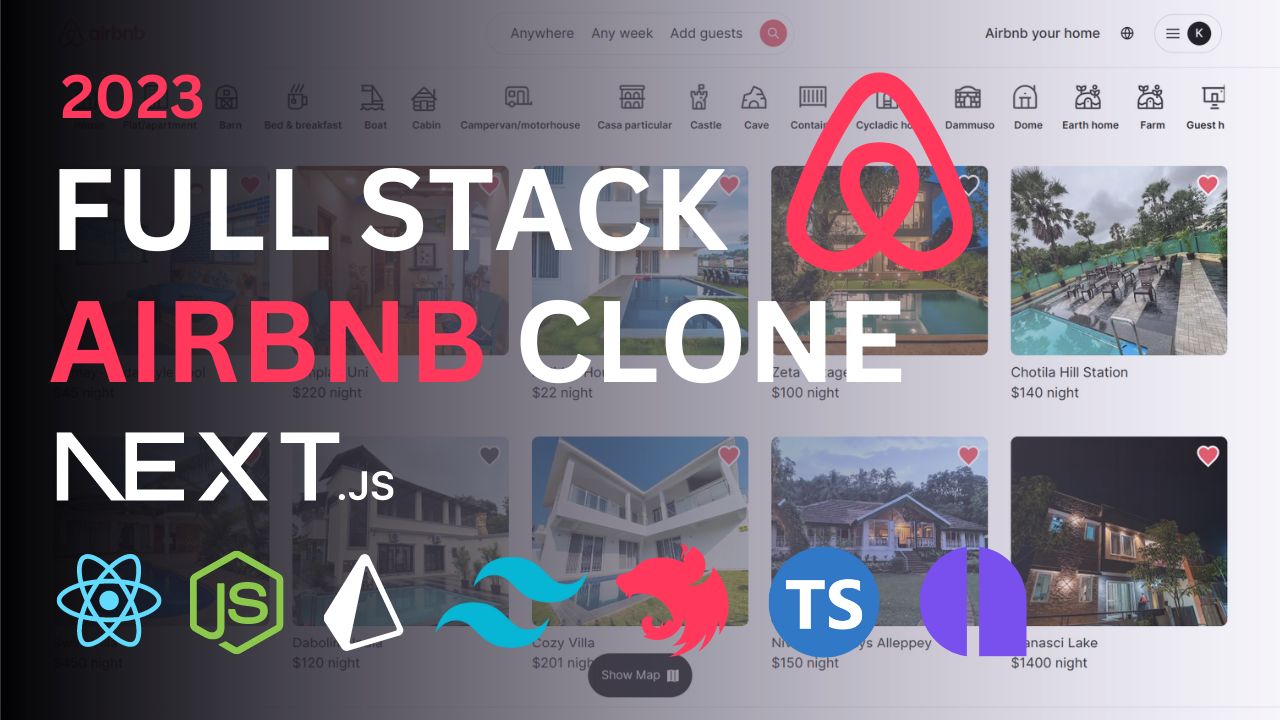
Learn to create a Full Stack Airbnb Clone with Amplication: Low-code Next.js frontend, Tailwind CSS styling, JWT-based auth, Mapbox API maps, and more.
In this post, we’ll look at using Redis to give cache capabilities to a NestJS project. We’ll discuss Redis, what caching is, and the implementation procedure.
Here, we have designed and developed a flow for OTP(One time password) for user registration and also blocking a user's account after the maximum retries for incorrect otp is exceeded.
In this article I will tell you how to implement your own kafka message consumer using the NestJs framework. I’ll also tell you how to write tests for it.
Who doesn’t like sharpshooting wood elves, chaos infested wastes and dwarfs digging deep under the mountain for treasures? Daring Sigmarite warrior priests and armour-clad chaos Chosen and all manner of other fantastic creatures? I know this might sound weird, but this is an article about programming! I’ve recently gained interest in trying to understand a bit more about Uncle Bob’s clean architecture design and, to do that, I’ve created a small app that I believe showcases some of the main strengths that I believe it has. Disclaimer: All Warhammer references are the property of Games Workshop and I also do not claim to be some clean architecture guru. But maybe this will help someone else with their first steps in grasping the concepts of this cool new toy I’ve found.
NestJs is an easy-to-learn and powerful framework. The beginner's guide for developers will teach you how to create an application using the NestJS framework.
Building AI agents isn’t as complex as it sounds. Learn how modern AI apps are mostly about smart API calls, streaming responses, and clean architecture
Here, we have four roles: Sme, Sponsor, Admin, Operations.Initially, we had only 3 roles.Operations role was added later and Operations user has permissions similar to the Admin user.In the code, we had to replace every instance of if (user.type == USER_TYPES.ADMIN) with if (user.type == USER_TYPES.ADMIN || user.type == USER_TYPES.OPERATIONS).As this is time consuming and we can also miss many instances, we have created a roles module. In the roles module,the roles are defined along with their respective permissions as seen in Code (Part-III). Based on the permissions for each role, we will evaluate the authorization for the user in each of our controller methods.If the user has access, only then he will be granted the resources.