Object-oriented programming (OOP) is a paradigm based on the concept of 'objects,' which can contain data and code. It is critical for creating modular, reusable, and maintainable software, simplifying the development of complex applications.
 Solutions to enable asynchronous initialization in C# constructors, overcoming limitations for efficient code execution.
 Get deeper understanding what is prototype, Object.setPrototypeOf and obj.proto and ways of use it in JavaScript.
 SOLID Principles are the principles of objective oriented programming essential to develop scalable softwares. S stands for Single Responsibility Principle ...
 An event loop waits and reacts to events. In this article a multithreaded Java implementation is presented. A real world scenario inspired its implementation.
 Object oriented database is a type of database system that deals with modeling and creation of data as objects. The main advantage of this database is the cons
 Inheritance vs Composition in JavaScript. What is better, when use inheritance, when use composition. We will look at different examples on JS.
 Comparing the different data storage types in Python.

 Learn strategy design patterns with practical examples. Why and how to use strategy patterns in software design.
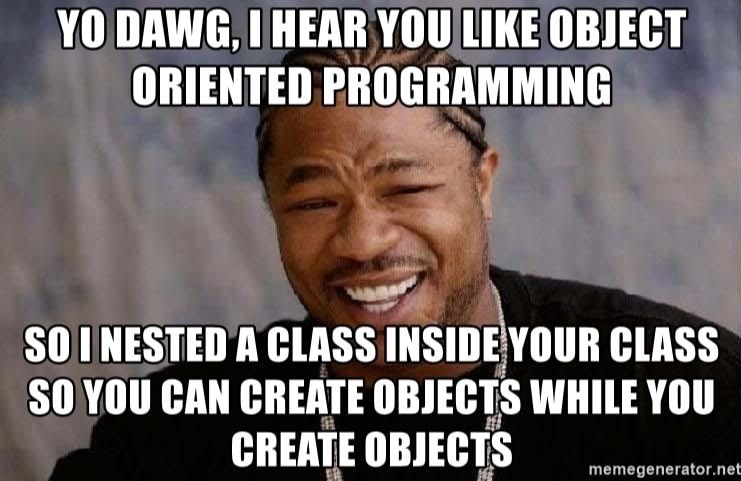 OOP languages, like JavaScript and Python, organize software design around data that is formatted in objects, rather than function or logic.
 A guided walkthrough of an object oriented program.
 How abstract is too abstract?
 The Alias pattern minds two issues. Extending how a final class builds its objects.
 I will explain Object-Oriented Programming (OOP) on Five Levels (a child, a teen, a college student, a grad student, and an expert).
 Playwright is not thread-safe. This limit, from performance standpoint, is bad. But we can overcome it with object-oriented programming.
 Learn how you can improve your code quality in an instant following 3 simple rules that we cal
 Unleash the power of Web Components and revolutionize your web development workflow. Learn to create reusable elements and enhance your apps effortlessly.
 Dependency injection (DI) is a wonderful thing. Simply add your dependency as a parameter to the constructor (most commonly) of your class, register it with you DI container, and away you go - the DI container will manage the rest. Some of the key benefits of DI are: greater testability, greater maintainability, and greater reusability.
 Interface is mostly viewed as a useful feature to write more maintainable code. But the concept of Interface developed to address a different issue with C++.
 Descriptors are one of the features that make Python's OOP so unique. They allow for powerful customization of attribute access and manipulation.
 It smells because there are likely many instances where it could be edited or improved.
 Many are wondering whether Golang is a language that can apply the Object Oriented Programming paradigm. Let's discuss this here.
 Yet more code smells? Aren't them enough?
 Actor model introduction to object oriented programmers. Rethink your software development model with fault tolerant, concurrent and scalable by architecture.
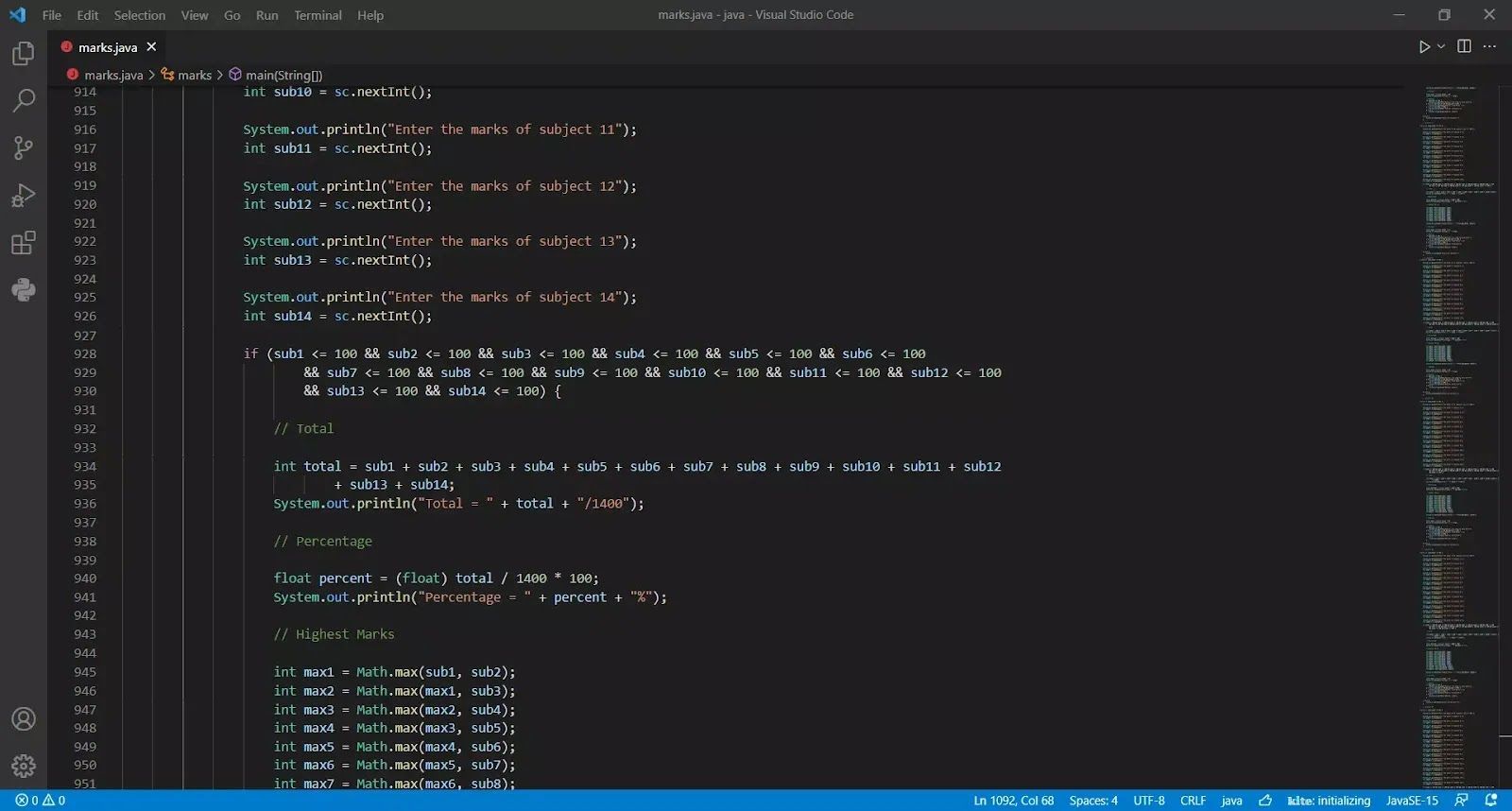
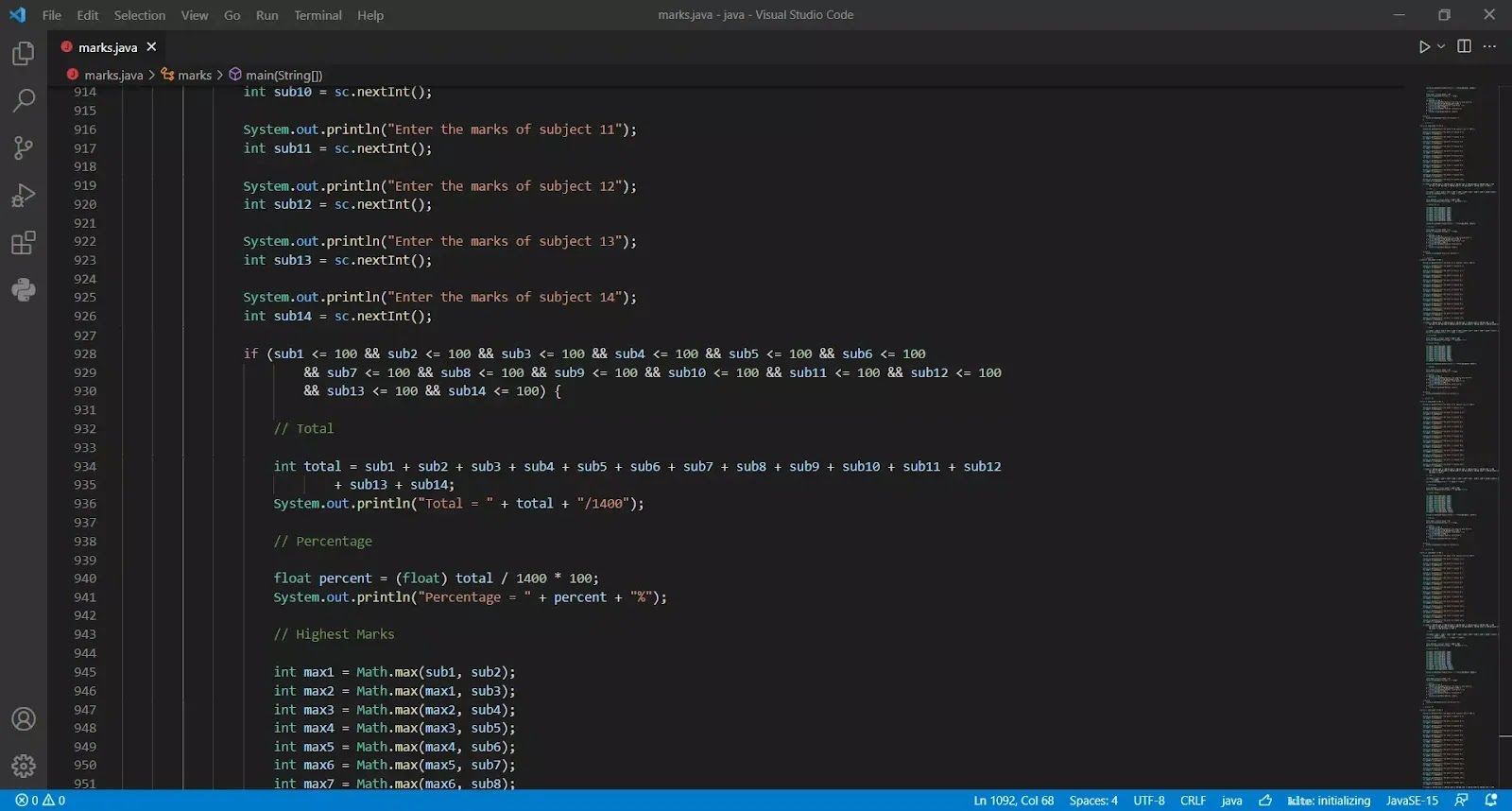 Write a program to take marks of 15 subjects from the user and display the Total, Percentage, Highest Marks, Average, and Remarks.
 This blog post is part of a series of tutorials on Object-Oriented Programming in Python 3.0. We will try to understand the types of methods and their uses.
 But when we introduce extraneous abstractions we reduce the goodness.
 Whether you're a beginner programmer or an experienced developer, understanding the linked list class is essential.
 OOP, inheritance, and subtyping may have specific meanings that don't translate into other languages, depending on the first language you learn.
 A deep dive into codata, dependent types, and defunctionalization—reframing the expression problem through data–codata duality.
 A new calculus unifies functional and object-oriented paradigms in dependently typed languages using duality and defunctionalization.
 I was writing some Java test code when I faced up the voracity of the equals method. It presents, despite its ostensible simplicity, a tricky problem.
 The Actor Model was created in 1973. It's designed for high concurrency, scalability and fault tolerance.
 In a good object-oriented system, each object has the right responsibilities.
 Recently I've been learning how to write code in F#. For those who haven't heard of it, F# is Microsoft's/.NET's answer to a functional-first programming language. My motivation was to learn a functional programming language that would make coding for scientific computing and data analysis more expressive, concise, and maintainable, all while fitting seamlessly into the .NET ecosystem that I already know and love. F# fits that bill perfectly.
 Game abilities are built from reusable checks (mana, cooldown, etc.) linked in a chain. Execution is handled separately. This makes abilities modular, testab...
 Warning: Setters Considered Smelly
 AOP is useful in tackling cross cutting concerns which are fully incorporated in the development of an application but cannot be attributed to a specific class.
 Object-oriented programming (OOP) is a programming model that organizes software around objects(data) and object manipulation.
 Important concepts about Object-Oriented Programming
 Exploring how defunctionalization breaks judgmental and eta equality—and the naming-based solution that preserves type safety.
 A formal core calculus for dependent data and codata with pattern matching, copatterns, call-by-value semantics, and type soundness proofs.
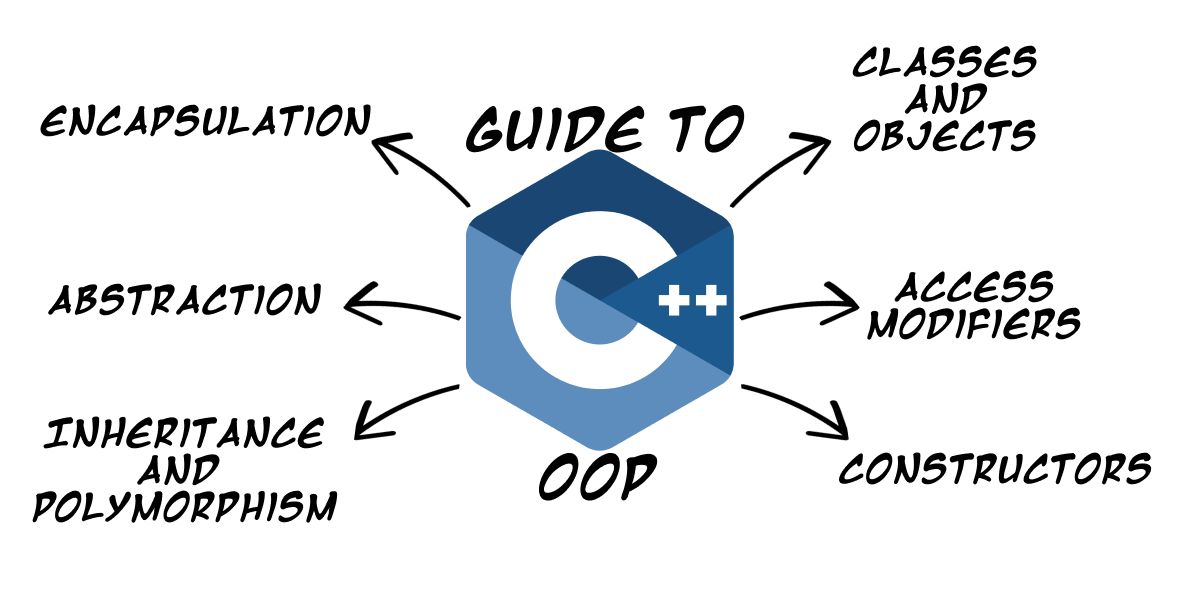
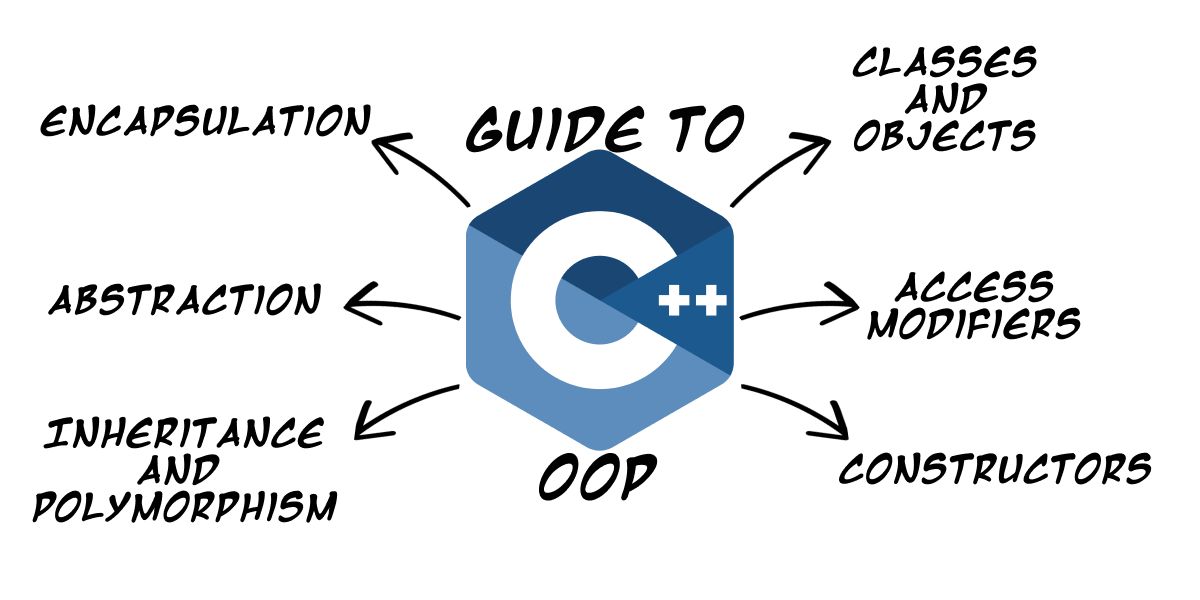 In this article, I will explain classes, objects, access modifiers, constructors, encapsulation, abstraction, inheritance, and polymorphism in C++.
 Explore essential C# concepts for .NET developers, from IEnumerable vs. ICollection to async/await, Dependency Injection, and exception handling in .NET Core.
 A case study showing how dependently typed OOP enables modular web servers, extensible routes, and type-level enforcement of HTTP properties.
 Considering C# as you get started on your programming journey? This article is focused on C# for beginners, and I've included 5 concepts from C# with code!
 A deep dive into dependently typed object-oriented programming, codata design, self-parameters, and verified interfaces.
 Learn how to apply SOLID principles in React to write scalable, maintainable, and reusable components for cleaner and more efficient code.

- Identify methods that receive owned attributes
- Remove those parameters from the method signature
- Replace usage with direct access to the attribute
 Avoid using private methods in parent classes with names that child classes can use.
 Programming paradigms don't give freedom—they take it away. Here's why Structured, OOP, and Functional might be the last paradigms we ever get.
 A formal study shows de- and refunctionalization preserve typing and program well-formedness in a dependently typed language.
 In this post, I've described two usages of the GoF's creational patterns, improving maintainability and ensuring objects are fully initialized
 Learn about inheritance in object-oriented programming and how subclassing and superclassing work.
 Avoid bloated interfaces and inverted dependencies. Learn how closures preserve encapsulation and keep your Kotlin codebase clean and stable.
 Have you ever wondered how Laravel switches between different drivers' implementations? Well, hang tight, we will learn how!
 Explore how OOP handles dependencies—from constructor injection to Kotlin’s new context parameters—and learn which approach fits your code best.
 Learn how to perform implicit conversions by using implicit operators in C#. This is a helpful feature that can enhance readability when done with care.