You signed in with another tab or window. Reload to refresh your session.You signed out in another tab or window. Reload to refresh your session.You switched accounts on another tab or window. Reload to refresh your session.Dismiss alert
Let's learn about Parallel Computing via these 52 free blog posts. They are ordered by HackerNoon reader engagement data. Visit the /Learn or LearnRepo.com to find the most read blog posts about any technology.
Parallel computing is a type of computation where many calculations or processes are carried out simultaneously. It matters for significantly increasing computational speed and efficiency, especially in tasks requiring extensive data processing or complex simulations.
The algorithm how and when you should use cancellation tokens for tasks in c# to use cooperative cancellation when working on parallel computing projects.
Processing large data, e.g. for cleansing, aggregation or filtering is done blazingly fast with the Polars data frame library in python thanks to its design.
Programming CUDA using Go is a bit more complex than in other languages. Although there are some excellent packages, such as mumax, the documentation is poor, lacks examples and it’s difficult to use.
Roofline model helps identify the theoretical limits to the attainable peak performance of your algorithm. Discover arithmetic intensity, peak performance, c++.
Performance is often one of the key focus points when building enterprise software. Many of the systems that we build rely heavily on communications with other systems. When these external communications become slow, then our software becomes slow. Unfortunately, we often have no control over the response time of the services that we depend on. However, we can optimize the way that we communicate with those services in order to ensure maximum performance.
Discover the basics of Flynn's taxonomy and multithreading with a detailed overview of SISD. SIMD, MISD, and MIMD architecture, programming models with C++ ...
Discover why parallel programming is a game-changer today. Role of Moore's law in the past, why it's dead, and how multicore processors became inevitable!
Master multi-threading fundamentals! Learn process vs threads, hardware vs software threads, hyperthreading & concurrent programming for scalable apps.
Discover useful compiler optimizations and flags for the Intel C++ compiler. Explore -fno-alias, -xHost, -xCORE-AVX512, IPO, On, ivdep, parallel, PGO, jacobi...
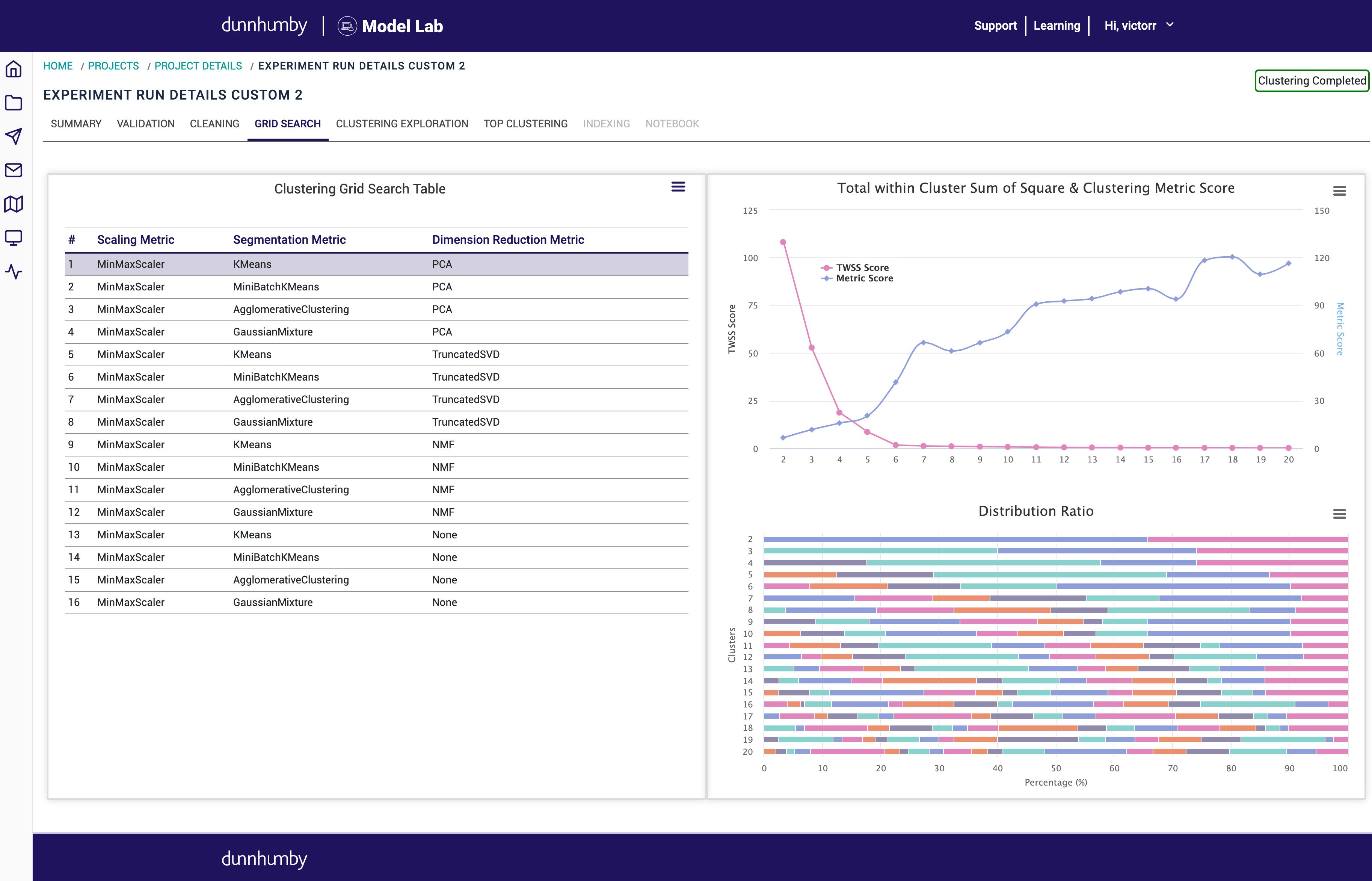
We are very excited to release the free tier of dunnhumby Model Lab as part of our partnership with Microsoft. dunnhumby Model Lab is an application that provides automated pipelines for deploying machine learning algorithms and has been used to build millions of models on behalf of our clients.
Discover the fastest ways to perform row-wise operations in Pandas. This benchmark study compares apply(), iterrows(), itertuples(), vectorization, and more.
Asynchronous code isn't magic; it relies on the RunLoop and shares thread resources. Plan wisely, and offload tasks to avoid delays from resource competition.
Many equations apply to Nuclear Fusion including the Maximum Entropy Principle. Fusion increases entropy. Think of unsolved equations relating to Nuclear Fusion as hardness problems. Whoever solves these problems or contributed towards software that solves these problems, helped achieve one of the biggest tasks in modern engineering and physics this century. I will be honest, many of us (including a certain somebody) want to win the race. Many of us are also removing obstacles from the obstacle course.
This part presents an O(log log n)-query fully adaptive algorithm. The algorithm is a one-round adaptive tester for the equivalence testing problem in the COND
Dynamic Frontier PageRank evaluation on large graphs reveals significant efficiency and accuracy improvements using batch updates and parallel computing.
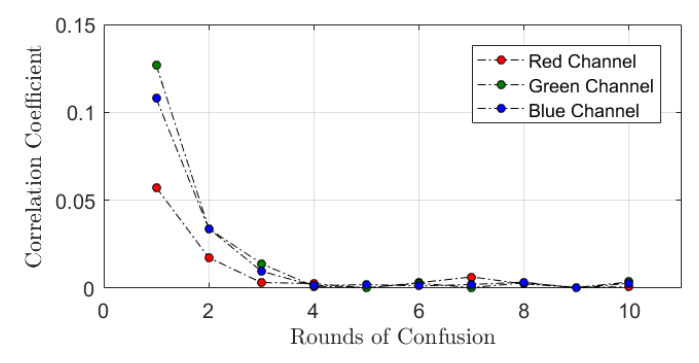
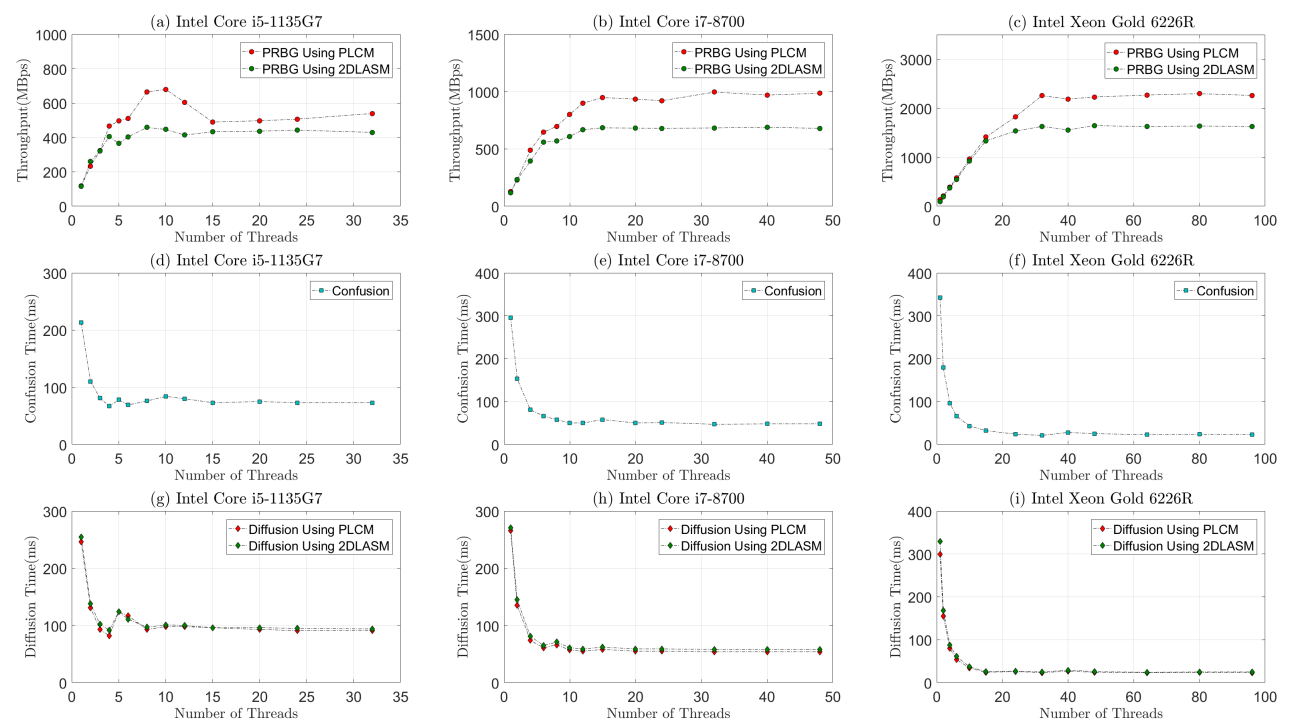
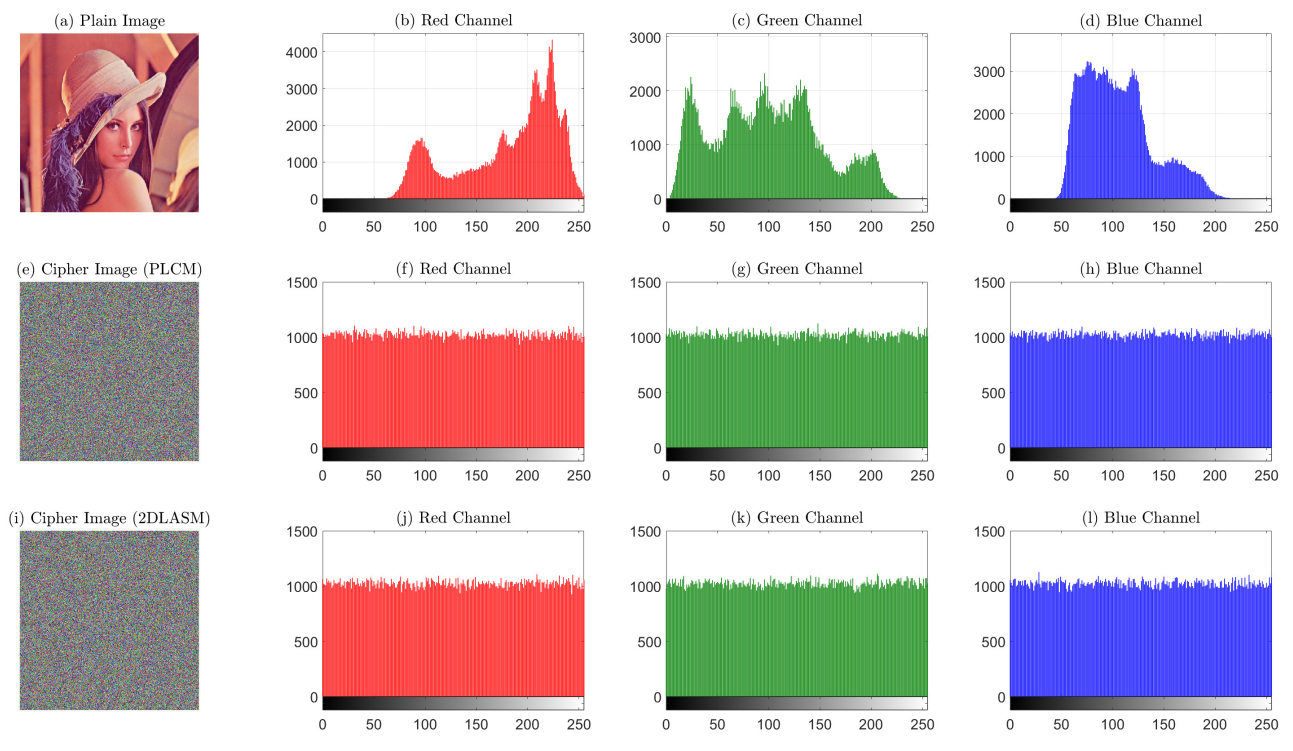
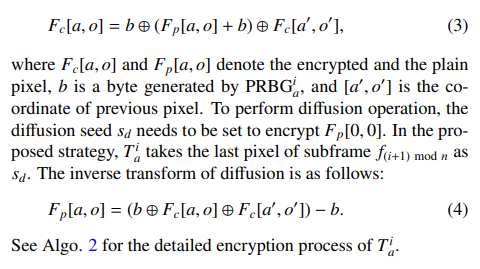
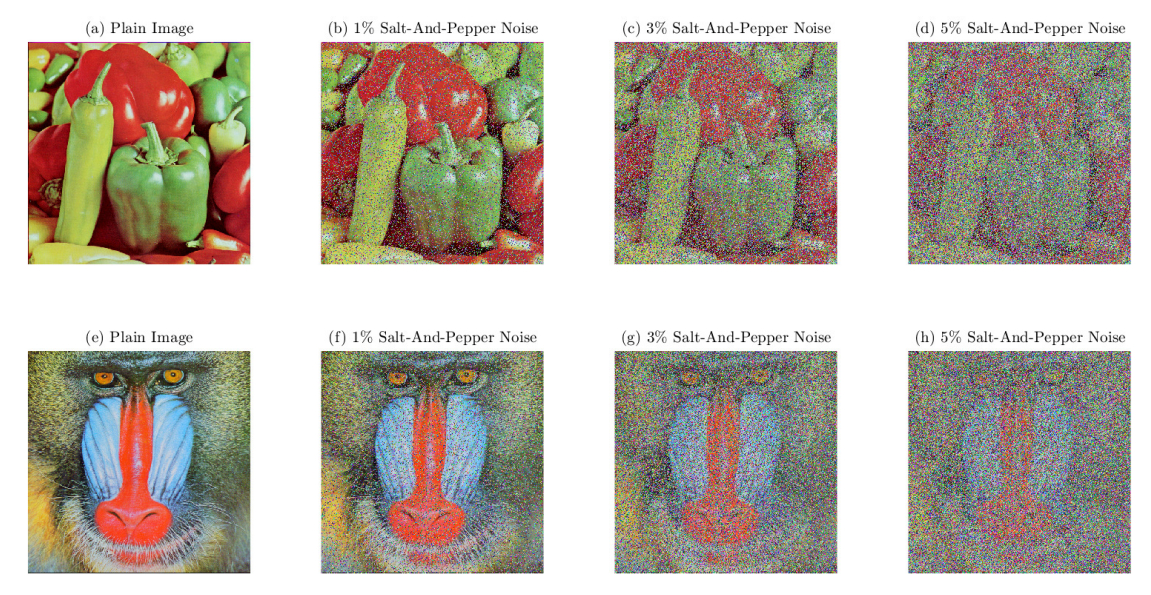
Discover how the use of chaotic maps in Pseudo-Random Binary Generators (PRBGs) significantly enhances encryption speed and enables real-time video encryption.