You signed in with another tab or window. Reload to refresh your session.You signed out in another tab or window. Reload to refresh your session.You switched accounts on another tab or window. Reload to refresh your session.Dismiss alert
Let's learn about Postgres via these 71 free blog posts. They are ordered by HackerNoon reader engagement data. Visit the /Learn or LearnRepo.com to find the most read blog posts about any technology.
A common shorthand for PostgreSQL, a powerful open-source relational database system, widely adopted for its advanced features and data integrity.
Back in the days when MySQL was the undisputed open source database champion, there was a sense that people who took their databases seriously would choose PostgreSQL instead. Everyone else chose MySQL; it was fast and it was easy.
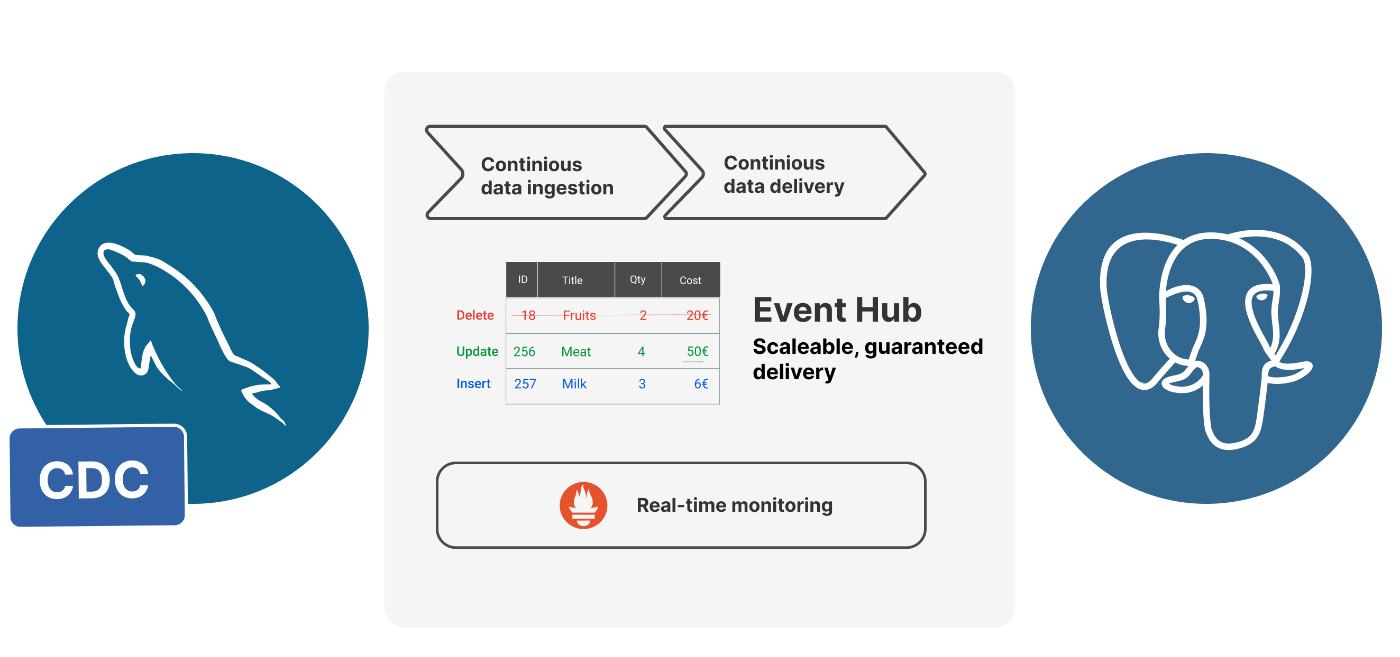
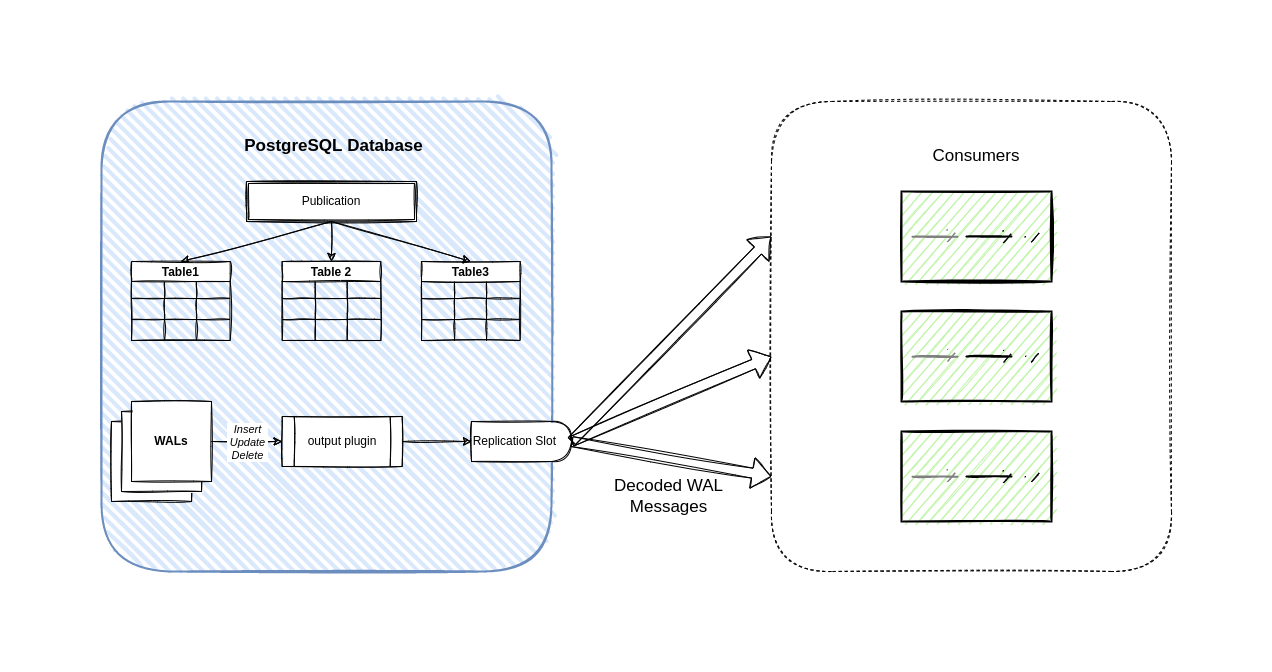
PGSync is a change data capture tool for moving data from Postgres to Elasticsearch. It allows you to keep Postgres as your source-of-truth and expose structured denormalized documents in Elasticsearch.
Partitioning is a powerful way to boost your PostgreSQL performance, but it's not a one-size-fits-all. Learn if PostgreSQL partitioning is a solution for you.
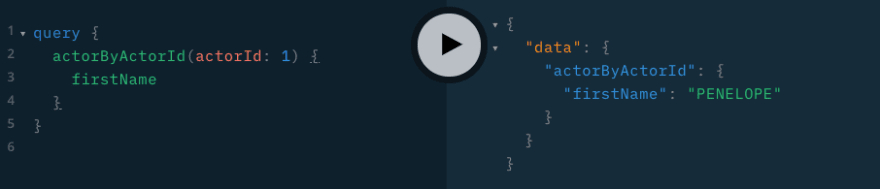
GraphQL is revolutionising the way developers build APIs. It lets you query precisely what you want. Nothing more, nothing less! It also gives you the flexibility to query related objects in a single round trip, unlike the REST APIs.
Tiger Data launches Agentic Postgres, the database built for agents. Instant database forks, native vector + BM25 search, MCP for AI agents. Start Free.
Ever wondered how streams are working in Node.js? I had. So far I know that using streams will most certainly reduce memory usage on the server when processing large files. Instead of reading whole file into memory we stream it in chunks to whoever requested it and apply transformations to that stream if needed. That's huge benefit as it allows to avoid vertical scaling. Processing files is common task but not as common as interacting with databases and that's going to be my focus now. I'll build simple API with 2 endpoints. Both will be returning large amount of records from Postgres DB. One endpoint will stream data to the client and another will read whole data into memory and return in one chunk.
Heroku has eliminated their free plans, so I’m migrating to Render for my prototype products and services. Let’s see how easy it is to convert to Render PaaS.
PostgreSQL is an open-source, object-relational database management
system (ORDBMS) available for all major platforms including Linux, UNIX,
Windows, and OS X. It allows you to add custom functions developed using different programming languages such as C/C++, Java, etc. It is designed to handle a range of workloads, from single machines to data warehouses or Web services with many concurrent users. It is the default database for macOS Server.
While working on a Rails application, we all have had to change the database column in some way. You can change the column name and the column type, as well as changing the column with the type conversion.
We use different Continuous Integration tools in our projects. One of them is TeamCity software. A pipeline for TeamCity can be configured easily and has two steps, such as run tests and build a docker image for further deployment. However, I needed to run Postgres before running tests. I made a research, I read the documentation and this article may be useful to close a gap for team city’s documentation.
pgBackRest is awesome, but it can be quite slow. We mitigated this problem via incorporating EBS snapshots to our backup creation/restore strategy for Postgres.
When you use Render to deploy your Node.js application with Postgres database, you can debug easily with integrated tools like Datadog and Log Streams.
One way to handle data in microservice architectures is to use decoupled microservices architecture. This form of architecture can bring many benefits.
As opposed to proprietary solutions (like Oracle), you won’t get locked in with ever-escalating license fees. Here are 6 reasons you should move to PostgreSQL.
Learn how time-weighted averages are calculated, why they’re so powerful for data analysis, and how to use TimescaleDB hyperfunctions to calculate them faster.
This article will show you a real-life optimization story and how PostgreSQL row count estimation can go very wrong when trying to get a faster query plan
The decision to choose a database for project is not that simple. But when it comes to choosing a database, the biggest decisions is picking a relational (SQL) or non-relational (NoSQL) data structure.
With great power comes great responsibility and the bigger the project gets the easier it is to break something. Therefore you should test Postgres logic!
Now more than ever, you have to hold onto every customer you can. Customers don’t love your product one minute, then fall out of love with it the next. Normally there’s a declining trend in usage of your product over time.
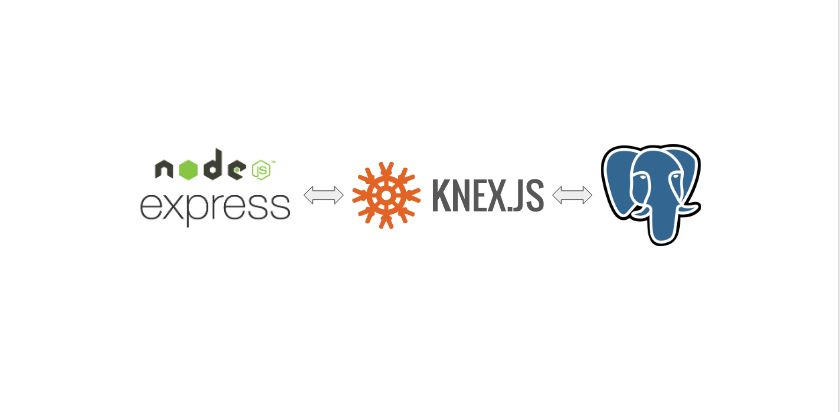
Express is one of the most popular JavaScript frameworks for building backend APIs and Postgres is a really popular relational database. How do we connect them?
pgrwl enables zero data loss (RPO=0) PostgreSQL backups via streaming WAL archiving, built for containers with S3/SFTP support, compression, and encryption.
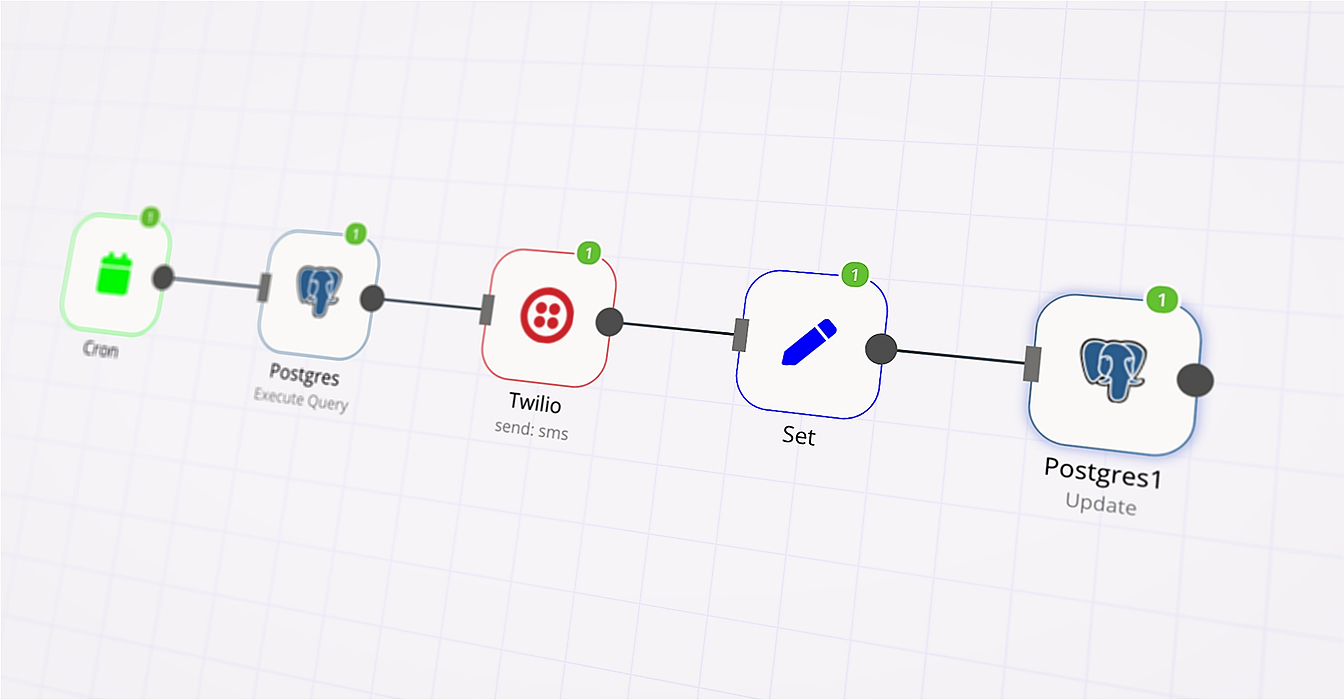
In the past few months, I have been playing around with different kinds of IoT devices and sensors. I quite enjoy how these can be used to monitor different things like humidity, temperature, pressure among other things in the house. In this tutorial, I want to show you how you can monitor sensor readings in a database and send alerts when it crosses a threshold value using n8n workflows.
YikYak was an anonymous social network that used your location to show you posts 5km around you. Users of the app could create new posts and the people around them could view the posts and vote up or down.