You signed in with another tab or window. Reload to refresh your session.You signed out in another tab or window. Reload to refresh your session.You switched accounts on another tab or window. Reload to refresh your session.Dismiss alert
Let's learn about React Hooks via these 55 free blog posts. They are ordered by HackerNoon reader engagement data. Visit the /Learn or LearnRepo.com to find the most read blog posts about any technology.
React Hooks are functions that let you 'hook into' React state and lifecycle features from function components. They simplify state management and side effects, making component logic more reusable and easier to test within React applications.
The React Hooks docs has a FAQ entry: “How can I do data fetching with Hooks?” where they link to this well written and detailed article by Robin Wieruch. There is however a shortcoming in that approach which affects correctness is some important situations.
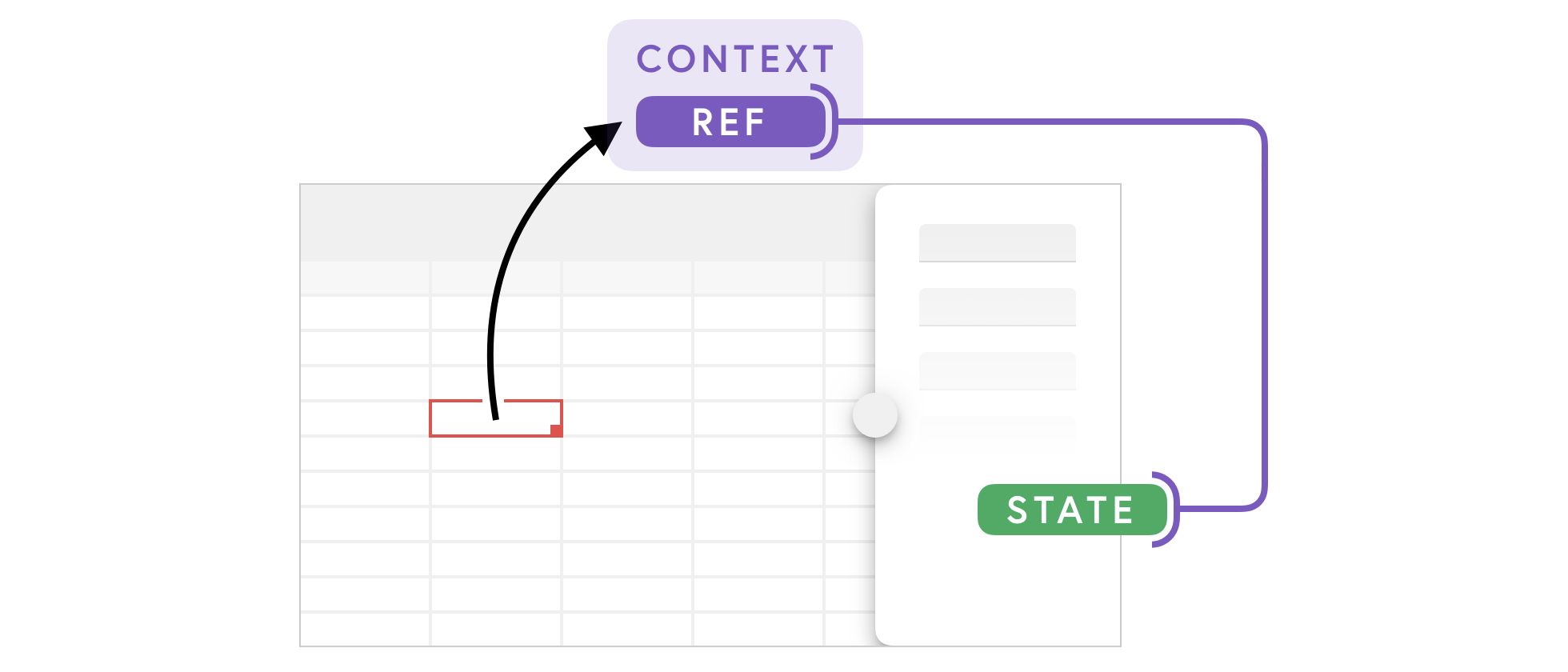
Well, we all know that ref helps us to get access to the DOM. But let's consider next situation, we have some React component and we want to know how many times this component was rendered. How can we achieve that? Well, maybe we can use React useEffect and useState hooks to determine that the component was re-rendered. Something like this:
Learn advanced React Router techniques to elevate your routing abilities. Discover how to handle 404 pages, create an active page indicator, and utilize hooks.
If you'll go to the official React website it says that the recommended way to use inputs is to control them via React state. It also mentions that in some cases you can go with an uncontrolled option but do not say what are these cases explicitly. Let’s try to dive into it and see the pros and cons of this approach.
Hooked on React Hooks — useStateSo what’s all the rage with React hooks? I’ve been exploring it for the past few months and lets just say I really believe that this is what React has needed to surmount its position as the top front end framework.
Howdy people, In this article we will be discussing the 5 best ReactJs practices that will help you simplify the building of great and high-performance ...
JavaScript has come a long way since its humble beginnings as a clunky, exclusively front-end scripting language. We saw some big developments in the JavaScript landscape during 2019, including the widespread adoption of React hooks and functional programming concepts, steady conversion to TypeScript, and continued domination of React in the front-end framework ecosystem.
Dive into the workings of React's useEffect Hook. Learn how to handle side effects in your functional components through real-world examples and use-cases
Take advantage of React virtual DOM and create a single page application that behaves as a multiple page application. React Router DOM is a great tool to make this possible; in this article, I will explain how to use it.
Security is a priority when building apps and you want to let users know how strong their passwords are during sign up while giving good user experience.
Render-as-you-fetch is the latest data fetching pattern in React. It leverages the React Suspense capabilities to provide a smooth developer & user experience.
React Hooks are a powerful technique liked by many developers. They allow the use of React features like state managing or the use of lifecycle methods.
Custom hooks are an amazing thing that happened with React. It brings to us the ability to create beautiful components and move a lot of business logic to hooks
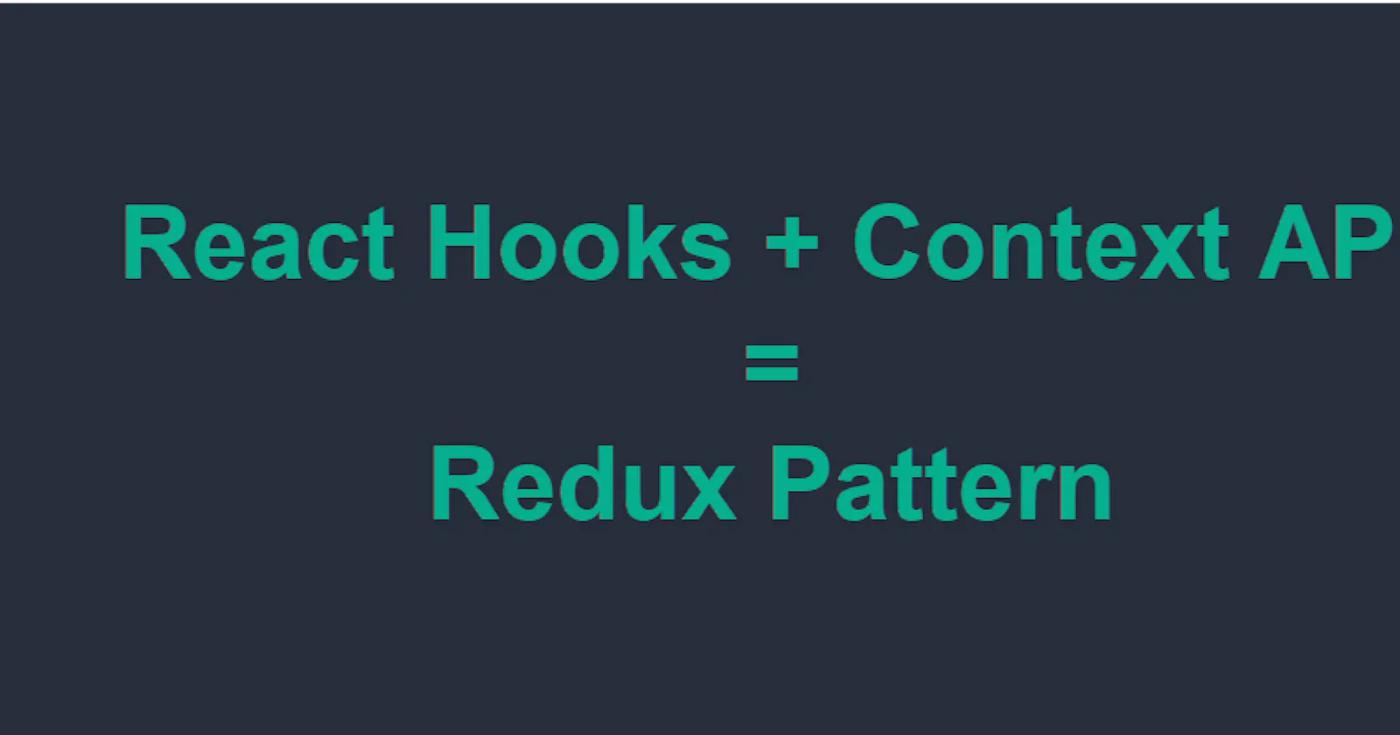
In this article, I will introduce the React Context API for state management and create a similar solution as Redux without using a third-party library.
In this article, we will take a look at useEffect React hook to fetch data from an API. We will create a sample React application to pull data from the provider and use it in our application.
The useImperativeHandle hook allows developers to customize the methods and properties exposed by a component, enhancing flexibility and maintainability.

Search and filter data using React Hooks and a headless CMS. Searching and filtering data is a common feature for websites and apps, especially e-commerce.
We've curated a list of ten outstanding GitHub repositories that will not only enhance your understanding of React but also empower you to become a React master
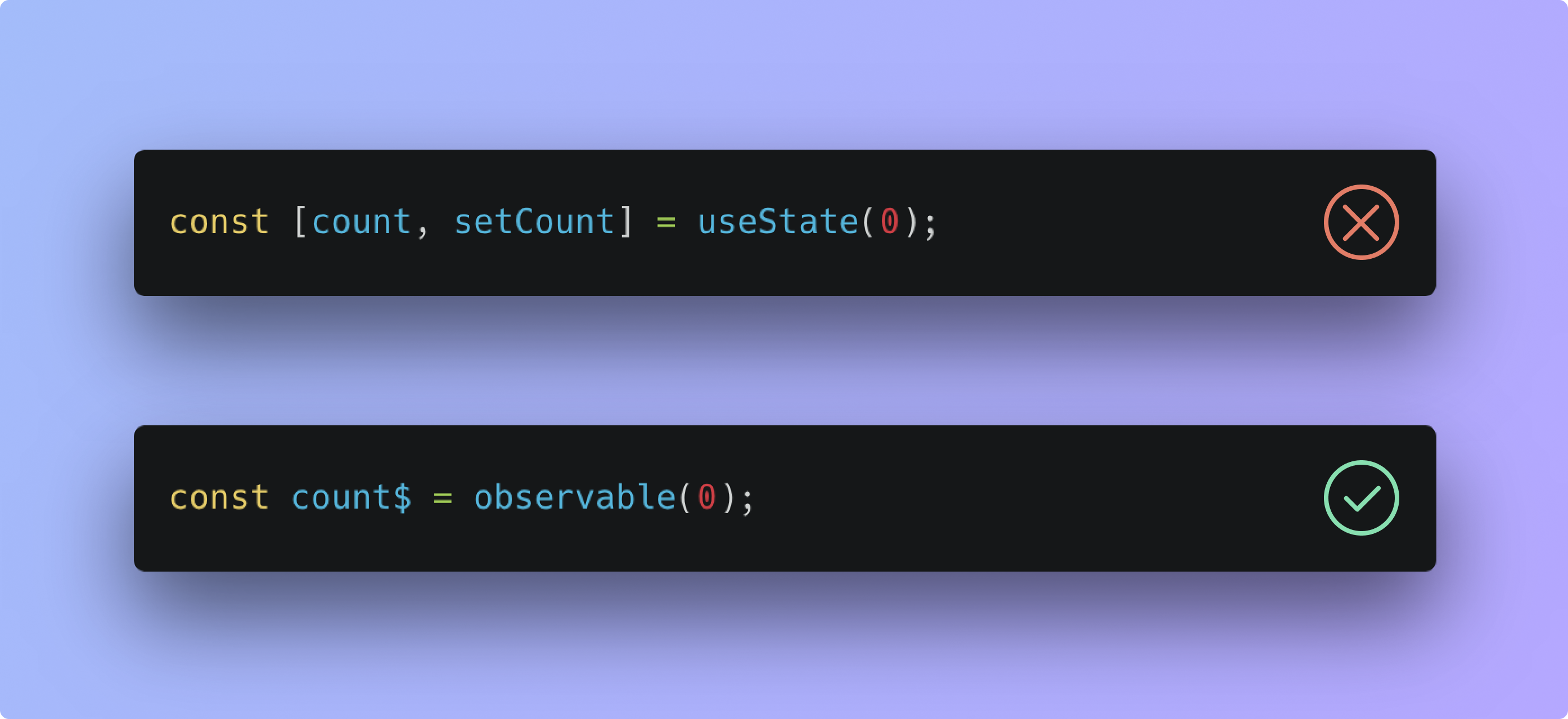
Before I get started, I'd like to express how grateful I am for all of the work that the React team has put in over the years. They've created an awesome framework that in many ways was my introduction to the modern web. They have paved the path for me to believe the ideas I'm about to present and I would not have arrived at these conclusions without their ingenuity.
Well, after some I did some search on Google, I found an article with a developer who had the same issue. One and the awarded response was to use socket.
Discover the challenges and frustrations of Hooks burnout in React development as a seasoned Front End Developer shares their concerns and seeks improvement.