You signed in with another tab or window. Reload to refresh your session.You signed out in another tab or window. Reload to refresh your session.You switched accounts on another tab or window. Reload to refresh your session.Dismiss alert
Let's learn about Serverless Architecture via these 73 free blog posts. They are ordered by HackerNoon reader engagement data. Visit the /Learn or LearnRepo.com to find the most read blog posts about any technology.
Serverless architecture is a cloud execution model where the cloud provider dynamically manages server allocation, allowing developers to focus solely on writing code. This approach significantly reduces operational overhead and can lead to cost savings and increased development speed.
Embarking on your first software development project can be a daunting experience, especially when it comes to navigating the world of serverless applications a
Companies need to be thinking long-term before even starting a software development project. These needs are solved at the level of architecture: business owners want to assure agility, scalability, and performance.
Going serverless is like outsourcing routine tasks to remote pro teams. You get a shorter time to market, lower cost, and better scalability. You focus on features that make your users happy instead of managing a complex infrastructure. You can be more creative and innovative, as a third-party vendor will save you from all the boring tasks.
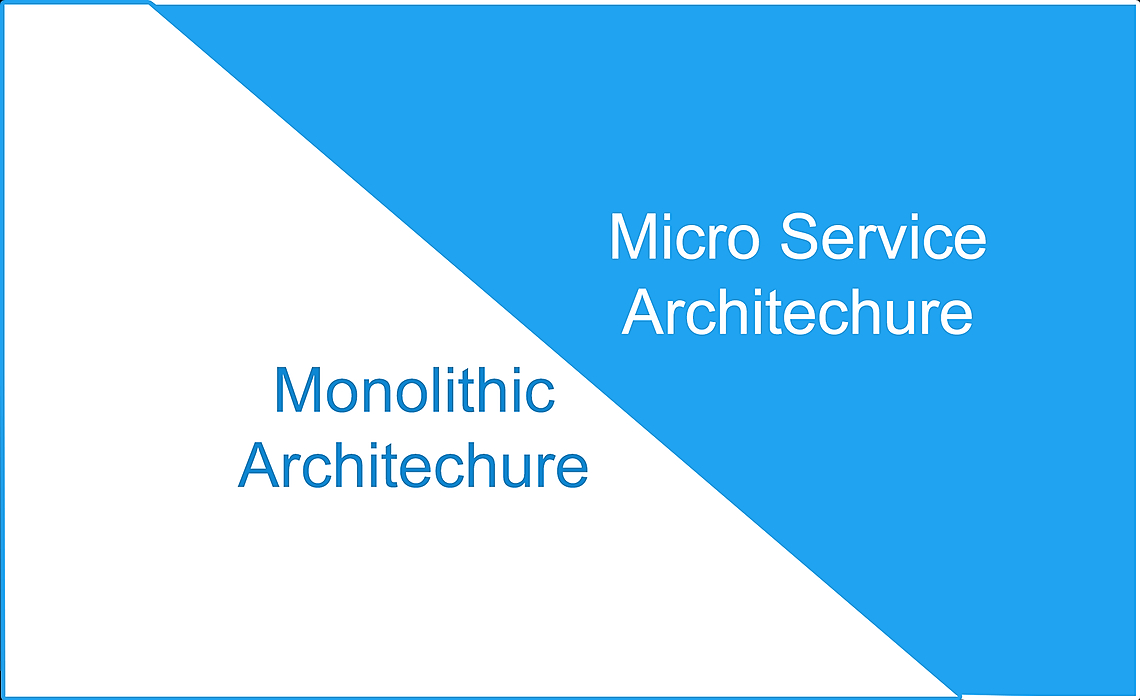
The problem that enormous scale venture applications a work in progress bring to the table of programming designers was excessively. There was no arrangement at all to this issue that is the reason an alternate building style was required. Henceforth the expression "microservices" appeared after the economical advancement in distributed computing space, it was first utilized by Dr Peter Rogers in a meeting on distributed computing in 2005.
Here’s a secret: Serverless is the future of development not because of how great of a technology it is.
Here’s another secret: The previous statement is wrong.
Edge computing platforms like Cloudflare Workers and Deno Deploy allow us to write serverless middleware and backends that are both very fast and cheap.
Today's buzzword 'fluid computing' is one of the most underrated terms in the architecture world. Fluid computing is the master set of fog computing, edge computing, mist computing, and cloud computing, which is one of the most versatile architectures that can help in radically changing the way businesses function for good. In essence, the flow of computing resources, including the CPUs, storage, and memory into the functionalities such as routers and servers through virtual devices, is known as fluid computing.
While conventional wisdom states we should move to GraphQL entirely, for customer-facing APIs, we need REST. For our own frontends, GraphQL is the answer.
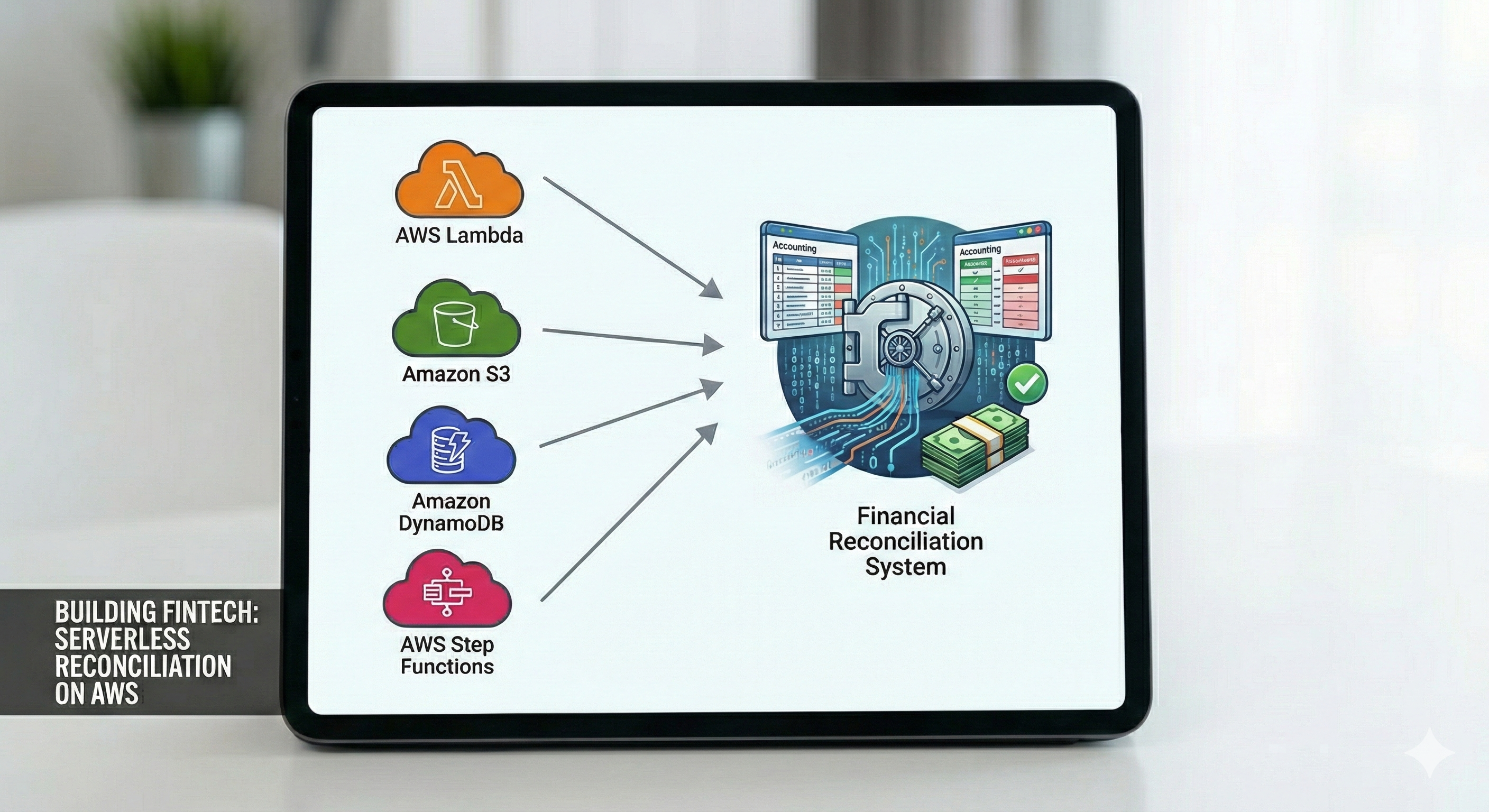
Lessons from building a serverless reconciliation pipeline on AWS using S3, SQS, Lambda, Step Functions, and DynamoDB to handle fintech-scale financial data.
What is the Internet Computer Protocol? How does this new Blockchain protocol work? And what sorts of features does the Internet Computer Blockchain have?
Happy Serverless September 2020! We at Coding Sans love working with serverless technology. This is why we decided to publish a report with the latest serverless trends this year. We partnered up with nine other companies who share our love to make it happen.
Note: This article covers everything that I present in Viet Nam Web Summit 2019 (VNWS2019) — the biggest event of Viet Nam IT Community.
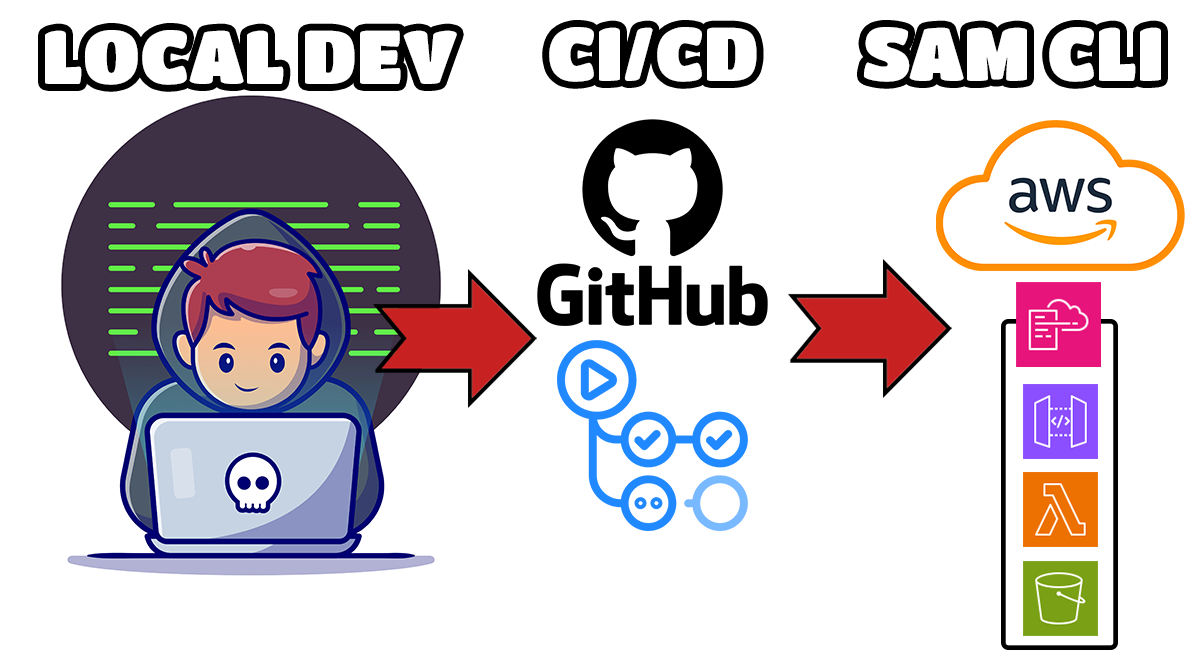
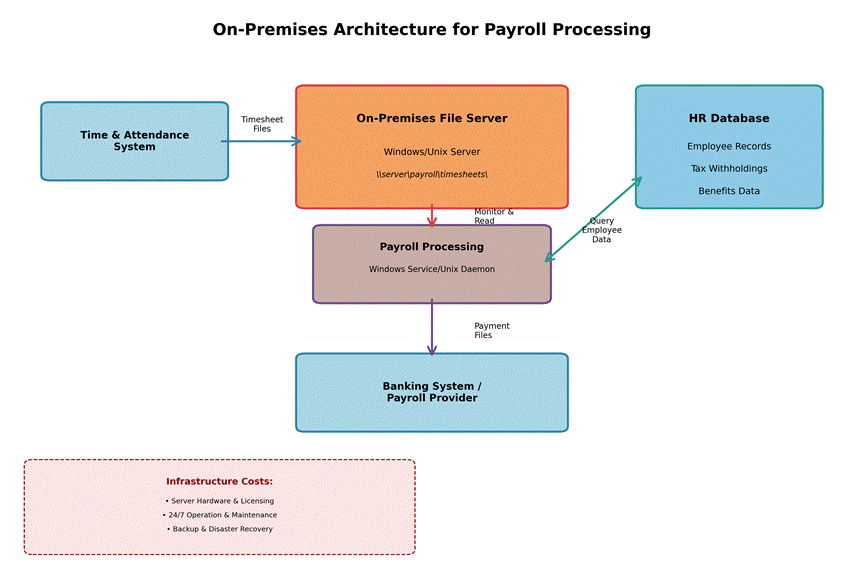
Nowadays, “Serverless” keyword becomes very popular. Serverless is changing how developers and companies alike approach delivering business value using the public cloud. You can easily find a dozen of articles regarding this keyword. However, I’m pretty sure that, there are not too many articles show you step-by-step to migrate an On-Premises application to Serverless, but in this article, I will do!
‘Smart contracts’ is a misnomer. Despite its name, smart contracts on Ethereum are not self-executing digital agreements. Smart contract code only run when triggered by an external account. In other words, you need an external process to trigger the smart contract.
TL;DR: yes, API Gateway can replace what a Load Balancer would usually provide, with a simpler interface and many more features on top of it. The downside is that it doesn’t come cheap.
Discover why serverless multi-agent AI systems are revolutionizing enterprise automation. Learn how stateless architectures deliver 3x better performance
In the simplest terms, a serverless system is a way to build an application without having to manage the infrastructure. It reduces administration & maintenance
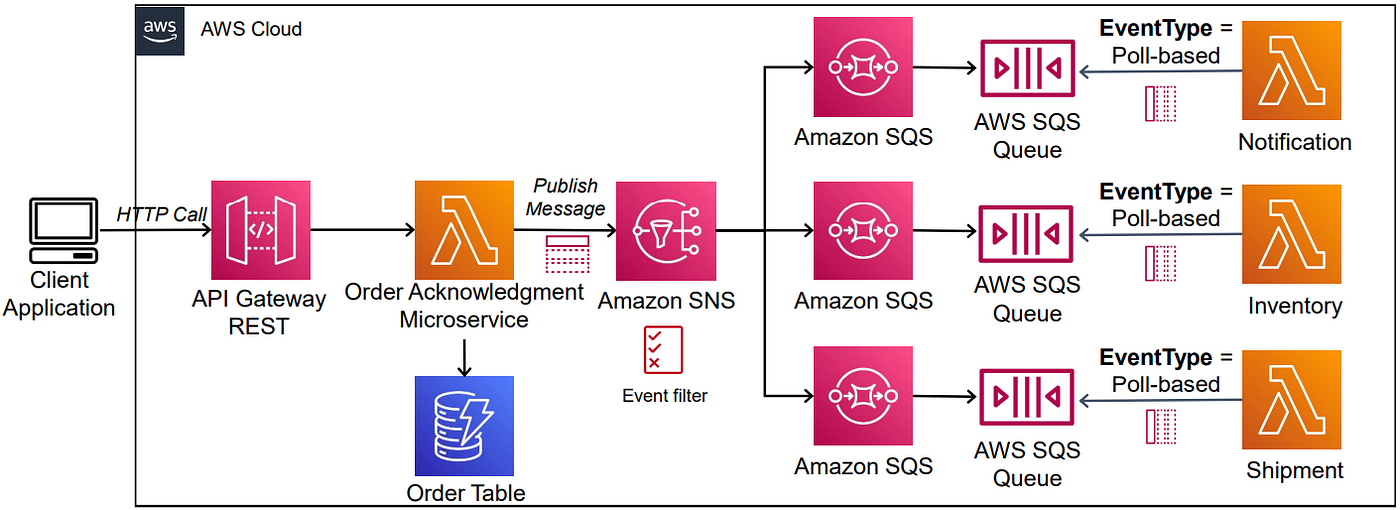
Explore the technical advantages of aws serverless architectures for notification systems. Learn about scalability, cost-efficiency, and security considerations
I have seen cloud tech change a lot in my 10 years of experience. AWS and GCP were not the default choice a few years ago, and I have worked in companies that bought and installed physical servers. What a nightmare! And this is why trying out serverless was the natural next step for me. I think everyone should give it a shot, and I wanted to share my experience!
Ballerina since v1.2.5 has built-in support for Azure Functions. In this way, you can take a Ballerina function and expose it as a serverless function in Azure Functions. Azure Functions take on a unique approach in defining serverless functions with the function trigger and bindings concept. In this way, we can access other cloud services such as storage services (queue, blob, etc.), CosmosDB, Twillio, and timers right from the function itself without any additional connectors or authentication processes. We map our parameters and return types with these bindings, which provides us direct access to the resources.
Serverless Cloud allows you to build your applications without having to worry about the creation and management of cloud services. It does this by abstracting
When using Amazon DynamoDB, you need to know how to effectively partition the tenant data in order to prevent performance bottlenecks as the application scales.
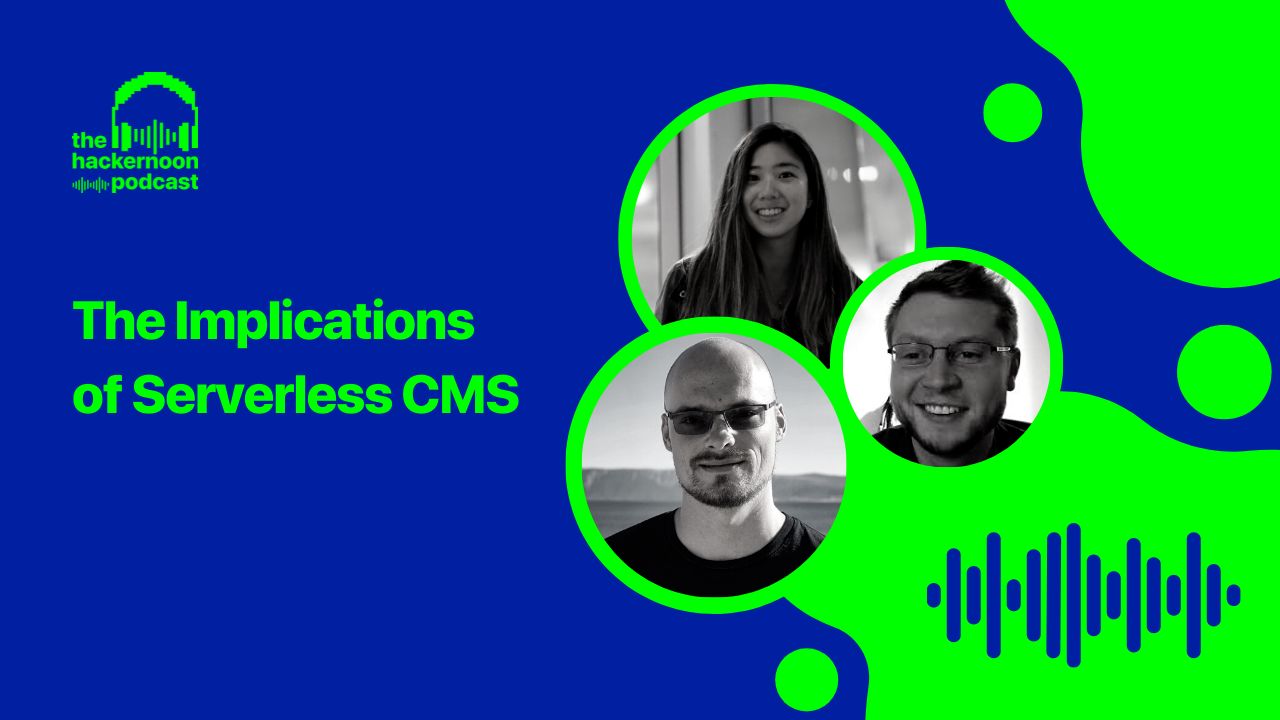
Amy Tom talks to Pavel Desjnuk, Co-founder and CTO of Webiny, and Richard Kubina, Full-Stack Developer Extrodinaire at Hacker Noon, about serverless CMS.
Simona Cotin from the United Kingdom is a 2020 Noonie nominee in the Software Development category. Simona is a developer who has a passion for teaching others. Scroll on through for their take on what’s trending in tech today.