You signed in with another tab or window. Reload to refresh your session.You signed out in another tab or window. Reload to refresh your session.You switched accounts on another tab or window. Reload to refresh your session.Dismiss alert
Let's learn about Solid Principles via these 54 free blog posts. They are ordered by HackerNoon reader engagement data. Visit the /Learn or LearnRepo.com to find the most read blog posts about any technology.
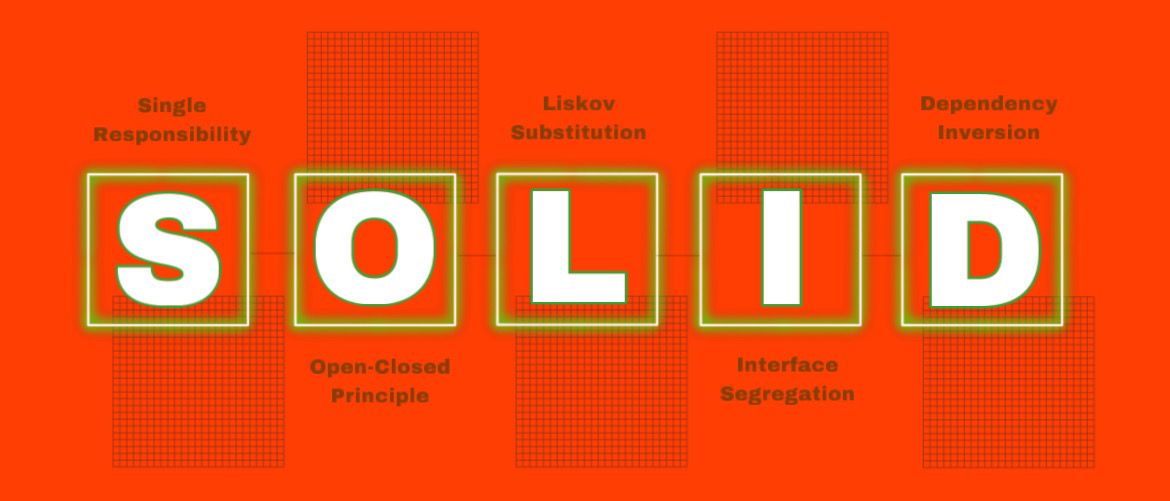
Five design principles intended to make software designs more understandable, flexible, and maintainable, crucial for building robust and scalable object-oriented systems.
The invention of SOLID principles began in the late 80s. Robert C. Martin started to develop these principles while arguing the principle of software design on USENET (an early kind of Facebook). After addition and subtraction, Robert C. Martin formulated the principles in the early 2000s. It was until 2004 that the principles were arranged and called SOLID principles. It is an acronym that stands for five specific design principles.
In conclusion, the Single Responsibility Principle (SRP) is a software design principle that states that every class should have only one reason to change.
SOLID Principles are the principles of objective oriented programming essential to develop scalable softwares. S stands for Single Responsibility Principle ...
In this article, we will look at the three first SOLID principles: The Single Responsibility Principle, the Open/Closed Principle and the Liskov Principle.
Learn how to apply SOLID principles in Swift with clear examples. Understand SRP, OCP, LSP, ISP, and DIP to write clean, scalable, and maintainable code.
A root cause analysis of all failures of our software will find a single culprit with multiple costumes. The enemy is always there. Many times disguised as laziness, sometimes simplification, and very frequently with the optimization outfit.
Hello, guys, this is the third part of SOLID Principles in JavaScript and if you haven't read the previous two (first part and second part), I highly recommend to read them first and coming back here.
Object oriented programming (or OOP) is a style of programming that encapsulates data and behaviours into models known as objects. In this way, related code is grouped together and kept separate from other code, and provides reusable blocks that can be used to rationalise the problem at hand.
Ye olde Reliable Data Structures and Their Controversial (Read) Access.
Using objects as data structures is an established practice that generates many problems associated with the maintainability and evolution of software. It misuses brilliant concepts that were stated five decades ago. In this second part we will reflect on the reading access of these objects.
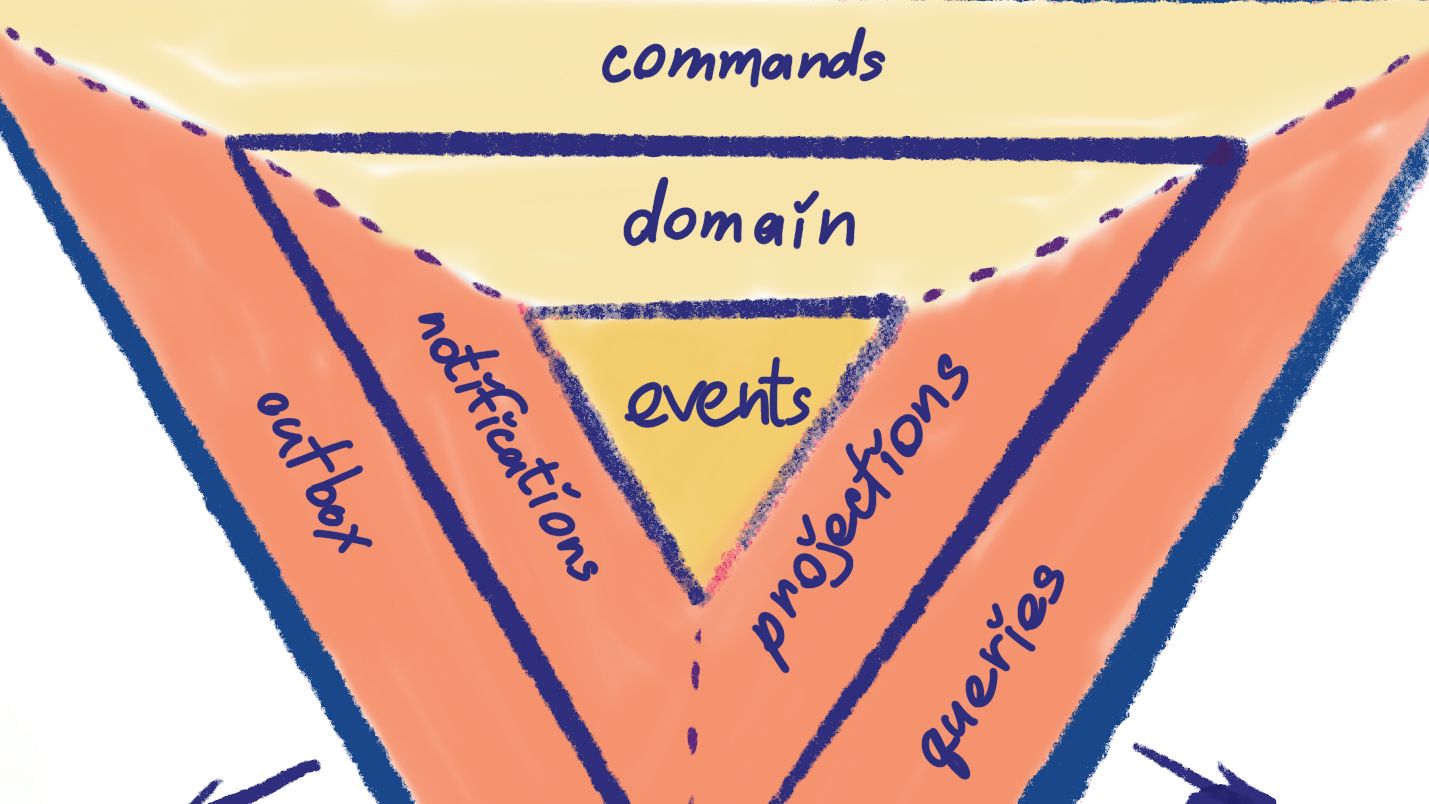
How do you define a Clean Event-Driven Architecture? Are there some patterns to help? How do you build it? Have you got any more questions? Let's answer them!
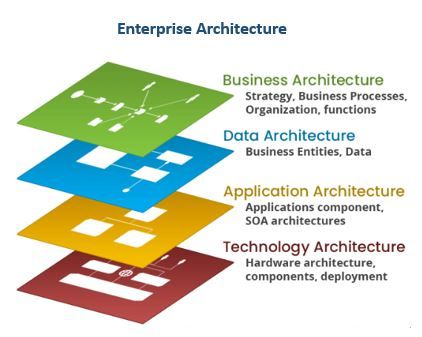
This post will talk about popular design principles used in the software architecture world. Architecture is about the decisions you wish you could get right early in a product or project lifecycle.
Hello, guys. This is the second article about SOLID principles with Javascript examples. In my previous article I described what are patterns in general, what is SOLID and why we should use them. If you haven't read it, pls, read it now and continue read current article after the previous one.
In this article, we will discuss what is SOLID principles, why we should intend them. Also, we will take a look at examples of "S" principle using Javascript.
There are quite a few rules/principles that get thrown around in the software world. Some that come to mind are SOLID principles, Design Patterns, Do one thing and do it well, etc. I totally stand by all of them and believe our world would be a much better place if these principles are followed more.
At first glance, the question “Can you make a bug on purpose?” may seem banal. However, if you think about it, everything doesn't seem so obvious anymore.
How often have you heard "Code to an interface"? I'm sure, at least a few times, and I know it can be hard to understand at first. So let's see what it means.
Dependency Inversion Principle in C++ is the fifth & last design principle of a series SOLID as a Rock design principles. The SOLID design principles focus on developing software that is easy to maintainable, reusable & extendable. In this article, we will see an example code with the flaw & correct it with help of DIP. We will also see guideline & benefits of DIP inclosure of the article.
This article is the first part of a five-part series about SOLID as
Rock design principle series. The SOLID design principles focus on
developing software that is easy to maintainable, reusable &
extendable. In this article, we will see an example of the Single Responsibility Principle in C++ along with its benefits & generic guideline.
Hello, guys, this is the last part of SOLID Principles in JavaScript and if you haven't read the previous three (first part, second part, third part, fourth part), I highly recommend to read them first and come back here.
Hello, guys, this is the fourth part of SOLID Principles in JavaScript and if you haven't read the previous three (first part, second part and third part), I highly recommend to read them first and come back here.
The SOLID principles have been created as pillars of creating flexible, understandable and maintainable code. They can add days onto your dev time to implement them properly, and most people don't care or worry much about code quality, so I created some better ones.
We see several symptoms and situations that make us doubt the quality of our development. Most of these smells are just hints of something that might be wrong.
The debate over comments in code is ongoing. At least once per year for the last 30 years, I’ve been involved in a discussion on the subject - often accidentally and reluctantly. To be honest, my perspective has changed over time. I used to comment every method, I used to comment any line of code that was “weird”, and I used to comment any blocks of code that were too complicated. Today, I rarely comment, if ever. Over time, I’ve come to realize that most comments are unnecessary.
Interface Segregation Principle in C++ is the fourth & by far the simplest design principle of a series SOLID as a Rock design principles. The SOLID design principles focus on developing software that is easy to maintainable, reusable & extendable. In this article, we will see a code violating ISP, a solution to the same code, guideline & benefits of ISP.
Discover how Zen principles like Wabi-Sabi and The Middle Way can transform your data strategy fostering balance, continuous improvement, and actionable insigh
Learn how to write reliable and professional-looking React code using "Wishful Programming" aka "Top-Down Code Design". Great for coders of all levels.
Access modifiers have long been seen as essential to safe and clean code. But they’re ultimately a low-level mechanism for expressing high-level ideas.